Think about what Polymarket actually is right now.
It is a platform where anonymous accounts made a quarter of a million dollars betting on the exact date the US would strike Iran – days before it happened. Where more than 150 users correctly called a classified military operation in the same week. Where a US senator stood up and accused White House officials of using state secrets to place cryptocurrency bets on a war.
It is also, simultaneously, a cultural touchstone. The place serious people check to understand what the market actually believes will happen – not what politicians say, not what pundits predict, but what people with real money on the line think is true.
A platform like that was always going to want a physical space eventually. It just needed the right city.
It chose Washington D.C.
- Who Actually Uses Polymarket
- The Culture That Built This Moment
- Why D.C. Is the Only Logical Choice
- What They Are Actually Building
- The Timing Is Not Accidental
- How to Read This Move
Who Actually Uses Polymarket
The public image of Polymarket users is crypto traders and political gamblers. The reality is broader and more interesting.
Serious foreign policy researchers cite Polymarket odds in their analysis. Journalists use it as a real-time gauge of informed opinion when covering breaking geopolitical events. Intelligence analysts – not officially, but clearly – monitor it as a signal of what people with information believe is about to happen. Hedge funds use it as an alternative data source on political risk.
The platform sits at the intersection of finance, politics, and information. It is not a casino. It is not a news outlet. It is something that did not have a clear category before it existed – a live, constantly updating market for the probability of real-world events, priced by people who are financially motivated to be right.
That combination attracts a specific kind of person: someone who takes current events seriously, thinks probabilistically, and wants to be in the room where the real conversation is happening. Washington D.C. is full of them.
The Culture That Built This Moment
There is a meme that has been circulating for a couple of years now – “the masculine urge to monitor the situation.” Its origin is a photograph of Jeff Bezos standing on a boat, intensely watching the Blue Origin rocket launch with the focused stillness of someone who has decided that the most important thing they can do right now is pay attention.
The meme spread because it named something real. A disposition – common among a certain kind of online, politically engaged person – toward treating current events as something to be tracked, analyzed, and understood in real time. Not reacted to emotionally. Not shared as outrage content. Monitored.
Polymarket is the natural financial expression of that disposition. If you are going to monitor the situation, you might as well put money on what you think is going to happen. The platform turns observation into a financial position – and suddenly you are not just watching, you are invested.
The community that formed around this behavior is real, sizeable, and lacks a physical space. Until now.
Why D.C. Is the Only Logical Choice
Polymarket could have opened in New York, where the financial community is. It could have opened in San Francisco, where the tech community is. It opened in Washington D.C., where the decisions happen.
That is the point. The events that generate Polymarket’s most valuable markets – military strikes, regime changes, legislative outcomes, geopolitical crises – are made in D.C. or made in response to D.C. The people who hold, or are adjacent to, the information that drives those markets are concentrated in a few square miles of the nation’s capital.
Putting a Polymarket venue in that city is not just a brand move. It is a statement about what kind of institution Polymarket believes itself to be. Not a gambling app. Not a fintech startup. A place where serious people track serious events – and where being right about what happens next has real financial consequences.
What They Are Actually Building
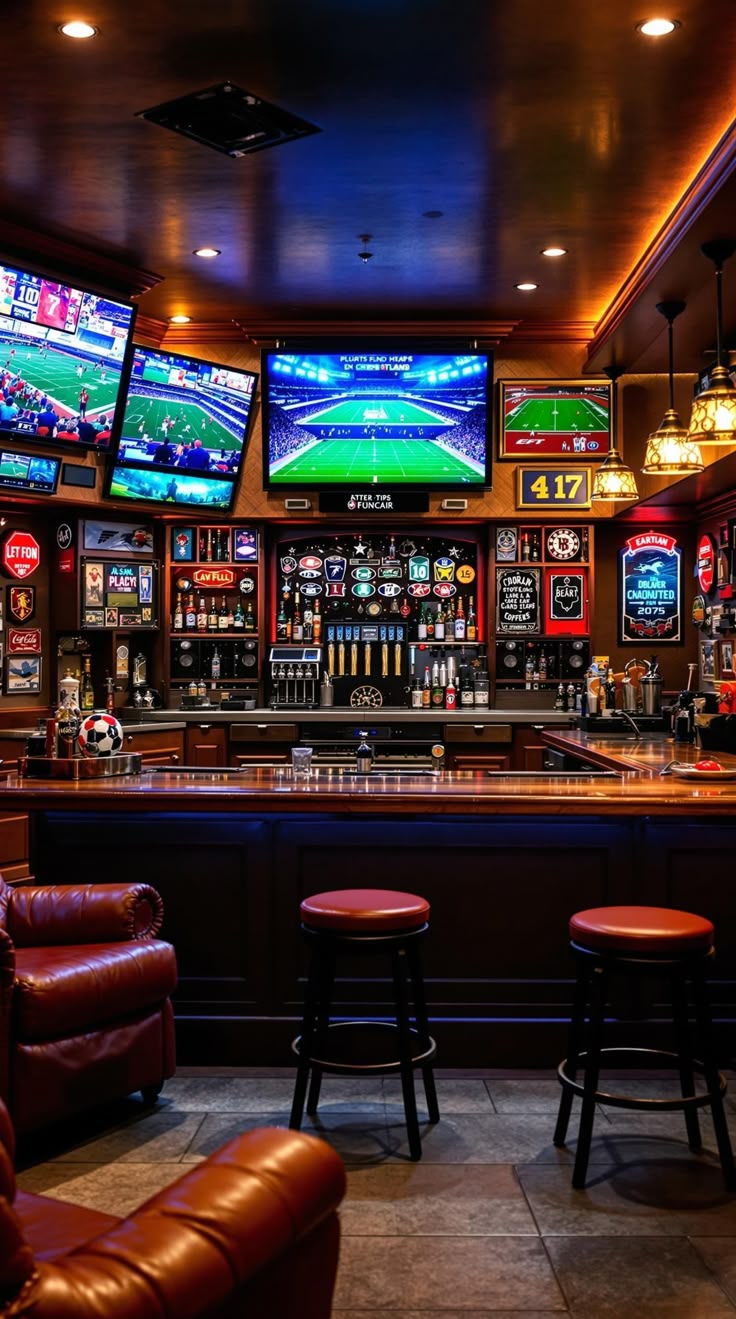
The format is a bar in the conventional sense – counter, seating, drinks. The screens are where it diverges entirely from anything that exists.
According to Polymarket’s own announcement on X, the wall displays will run live X feeds, flight radar, Bloomberg terminals, and Polymarket prediction markets simultaneously. The shared experience the bar is designed around is not a game – it is the state of the world, updating in real time, with financial probabilities attached to everything that matters.
Monogrammed matchboxes and napkins. A logo that looks like a government agency crossed with an exclusive members club. The aesthetic is deliberate: this is a space that takes itself seriously, for people who take monitoring seriously.
The Timing Is Not Accidental
Polymarket is opening this bar at the exact moment that US senators are calling for the platform to be banned. At the exact moment that insider trading allegations are being investigated in the Israeli military for Polymarket activity. At the exact moment that the platform’s connection to the Trump family – Donald Trump Jr. is a documented investor and board advisor – is drawing scrutiny in the press.
Opening a physical venue in Washington D.C. under these conditions is either a spectacular miscalculation or a calculated provocation. Given that Polymarket has spent years leaning into controversy rather than away from it, the latter is more credible.
A platform that is trying to stay under the regulatory radar does not open a bar in the capital city of the government that is currently considering banning it. A platform that is trying to become too culturally embedded to ban does exactly that.
How to Read This Move
Polymarket is making a bet – appropriately enough – that its best defense against regulation is visibility and cultural legitimacy. That if enough serious, influential people are walking into a Polymarket venue in D.C., checking the odds over a drink, and treating the platform as a normal part of how they consume political and financial information, the case for banning it becomes politically harder to make.
It might be right. The history of controversial platforms that became culturally central suggests that mainstream presence is a more durable protection than legal arguments. Once something becomes part of how a significant community engages with the world, restricting it carries costs that regulators have to weigh.
Or it might be a miscalculation – a company so convinced of its own cultural moment that it opened a flagship venue in the same city where a senator just called it a corruption machine, weeks before a vote on whether to ban it entirely.
Either way, the bar is opening. And in Washington D.C., where everything is a signal, the location says everything about what Polymarket thinks it is becoming.
Polymarket did not respond to media requests for operational details about the venue at time of publication. No official opening date has been confirmed.



Leave a Reply