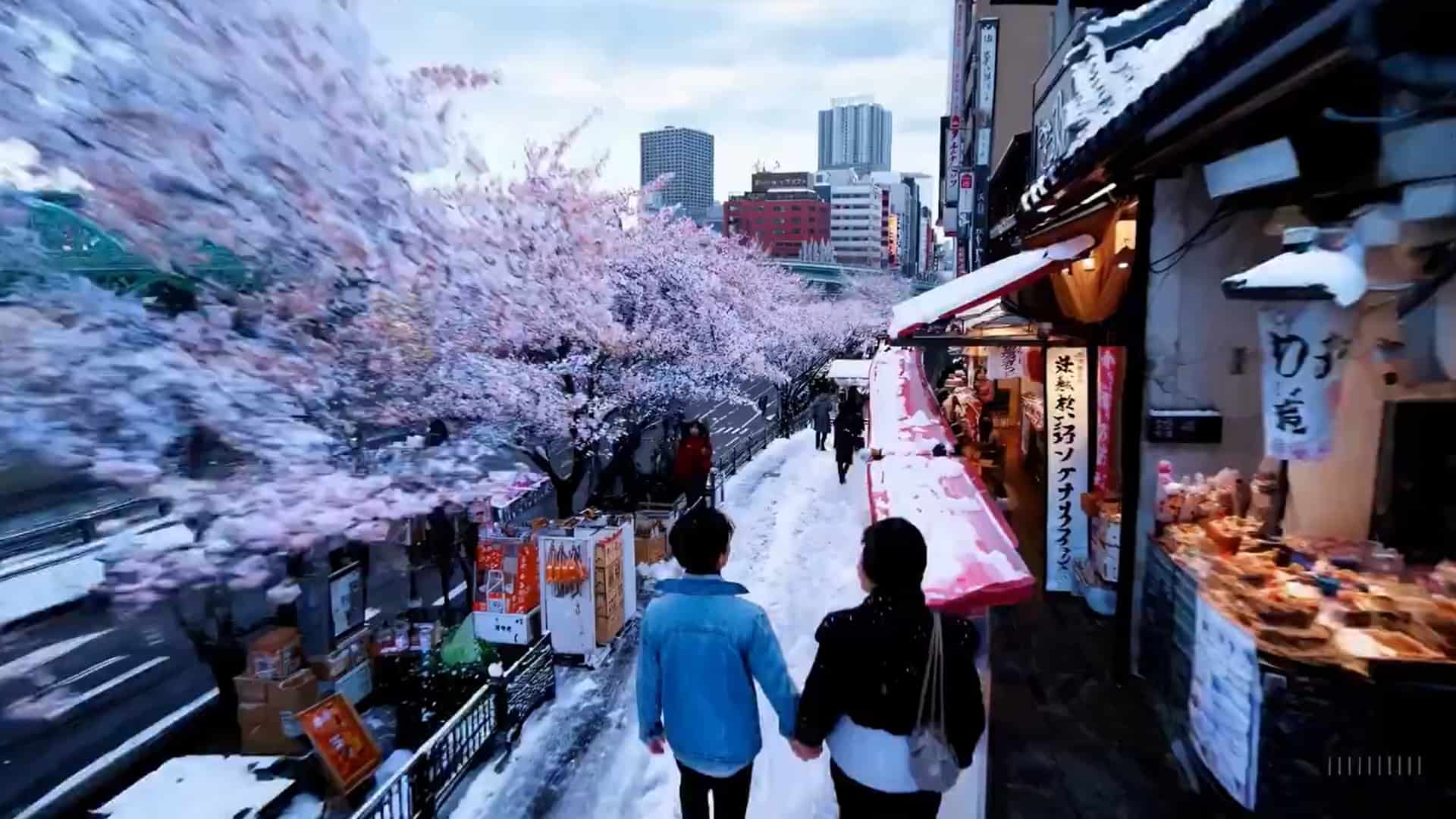
OpenAI has announced the shutdown of Sora, its high-profile AI video generation app and API, dealing a swift blow to a platform that had captured global attention just months earlier. The decision, confirmed on Tuesday March 24, also unravels a landmark deal with The Walt Disney Company that would have seen the entertainment giant invest $1 billion into the AI startup.
A Rapid Rise and Sudden Fall
Sora launched as a standalone app in September 2025 and immediately generated enormous buzz. The platform hit one million downloads in less than five days after its release, reflecting a massive appetite for AI-generated video content among consumers and creators alike. However, momentum proved short-lived. Analytics firm Appfigures tracked a 32% drop in monthly downloads as recently as December 2025, suggesting that initial excitement had given way to waning interest.
On March 24, OpenAI posted a message on X from Sora’s official account: “We’re saying goodbye to the Sora app. To everyone who created with Sora, shared it, and built community around it: thank you. What you made with Sora mattered, and we know this news is disappointing.” The company has not yet announced a specific shutdown date for the iOS app, Sora.com, or the API, but confirmed that an update with full timelines is forthcoming.
Disney’s $1 Billion Deal Is Dead
The most significant fallout from OpenAI’s pivot is the collapse of its partnership with Disney. The two companies had struck a three-year licensing agreement late last year that would have allowed Sora users to generate videos featuring over 200 characters from Disney, Marvel, Pixar, and Star Wars franchises. In exchange, Disney was set to make a $1 billion equity investment in OpenAI — one of the most high-profile corporate bets on generative AI to date.
With Sora’s discontinuation, that deal is now officially dead. A source familiar with the matter confirmed to The Hollywood Reporter that no money ever changed hands. Disney issued a measured statement, saying: “As the nascent AI field advances rapidly, we respect OpenAI’s decision to exit the video generation business and to shift its priorities elsewhere.” The company indicated it will continue evaluating other AI platforms that adhere to intellectual property protections.
Why OpenAI Is Walking Away
Multiple factors contributed to the decision, but the primary driver is the fierce competition for expensive computing resources. OpenAI, now valued at approximately $730 billion following a record $110 billion funding round led by Amazon, Nvidia, and SoftBank, is under increasing pressure to demonstrate returns on that staggering valuation ahead of a potential IPO.
CEO Sam Altman reportedly told employees internally that shutting down Sora would free up resources to accelerate the development of OpenAI’s next-generation AI models — particularly in reasoning and software engineering, where margins are higher and enterprise demand is growing rapidly. A spokesperson told Engadget that the Sora research team is not being disbanded, but is instead shifting focus to “world simulation research” that leverages the physics-based learning developed for video generation to advance robotics and real-world AI problem-solving.
The decision also reflects competitive pressure from rivals like Anthropic, whose Claude AI assistant has gained significant traction among enterprise clients by focusing on text, code, and reasoning tasks rather than compute-intensive media generation.
Copyright Battles Add to the Pressure
The shutdown also comes against a backdrop of growing legal and ethical scrutiny. Sora’s second generation produced impressively realistic video outputs, but it attracted heavy criticism from creators and rights organizations. Japan’s CODA, which represents major animation studios including Studio Ghibli, had recently demanded that OpenAI cease using their content for AI training. Rather than engage in prolonged copyright litigation, OpenAI appears to have chosen to step back from consumer video generation entirely.
What Comes Next for AI Video
The closure of Sora does not mean the end of AI video generation as an industry. Competitors including Google DeepMind’s Veo, Runway, and Pika Labs continue to invest heavily in the space. However, OpenAI’s exit — and the implosion of its Disney deal — signals a broader industry reckoning with the cost and regulatory complexity of AI-generated media at scale.
For OpenAI, the calculus is clear: with ChatGPT also set to lose its video generation capabilities as a result of the shutdown, the company is placing its biggest bets on agentic AI, enterprise software, and hardware — areas where it believes it can build sustainable, profitable businesses. Whether that bet pays off will depend on whether users and investors remain as patient as Sam Altman needs them to be.