Major League Baseball embraces gambling with a new partnership that aims to modernize fan engagement and revenue streams.
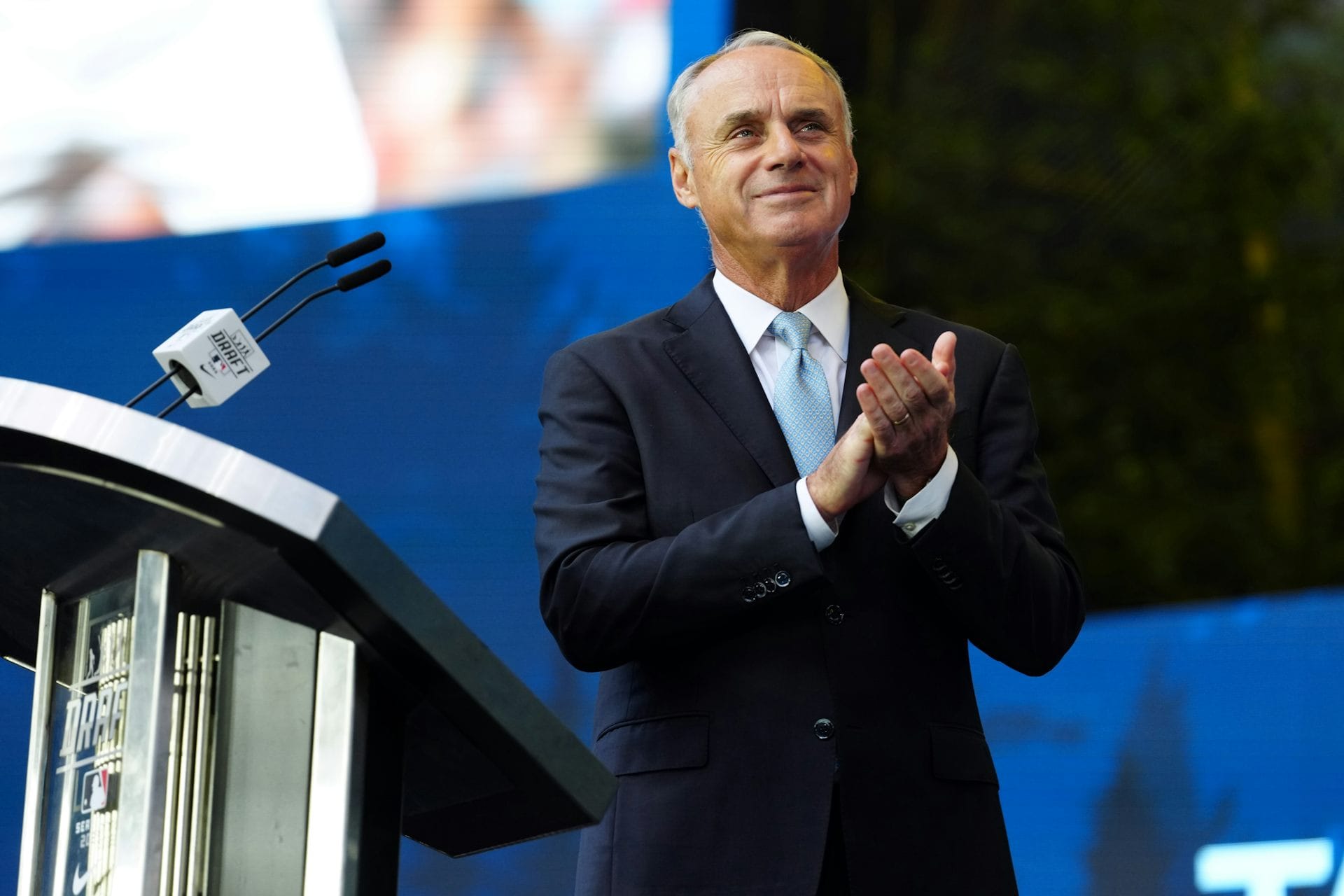
Major League Baseball (MLB) has taken a decisive step into the gambling space by announcing a strategic deal with Polymarket, a prominent player in the prediction market sector. This move marks a notable shift for a league that historically distanced itself from gambling to protect the integrity of the sport. MLB Commissioner Rob Manfred has publicly endorsed the partnership, emphasizing that regulated gambling can coexist with the league’s commitment to fair play and transparency.
For over a century, baseball maintained a cautious stance on gambling, mindful of the scandals that once threatened its reputation. However, the evolving sports betting landscape, driven by technological innovation and changing regulations, has created new opportunities for leagues to engage fans while generating substantial revenue. Polymarket’s expertise in decentralized prediction markets positions it as an ideal partner to help MLB navigate this complex environment.
The agreement will leverage Polymarket’s platform to offer fans a novel way to participate in game-related wagering, integrating real-time market dynamics with MLB data. This integration promises a seamless experience that blends entertainment with informed betting decisions, appealing to a digitally savvy audience. The deal also underscores the growing influence of automation technologies in sports betting, enabling faster transactions and enhanced user engagement.
From a business perspective, MLB’s collaboration with Polymarket reflects a broader trend of traditional sports organizations partnering with tech-driven companies to diversify their revenue streams. The embrace of gambling, supported by robust regulatory frameworks, is increasingly seen as a sustainable method to boost fan interaction and financial performance. Executives in the sports and entertainment sectors should note this strategic pivot as an example of adapting to market demands while maintaining brand integrity.
Interestingly, this development occurs alongside advancements in automation and AI-powered tools, such as those developed by companies like OpenClaw and Anthropic. While not directly involved in this deal, the rise of AI capabilities, including Claude by Anthropic, highlights the potential for further innovation in user experience and operational efficiency within sports betting ecosystems.
MLB’s partnership with Polymarket signals a willingness to embrace emerging technologies and new business models without compromising the values that have long defined the sport. As gambling becomes an integral part of the fan experience, the league’s approach could serve as a blueprint for other professional sports organizations contemplating similar initiatives.
For CEOs, founders, and business operators, this move illustrates the importance of strategic partnerships in leveraging technology to meet evolving consumer expectations. The integration of Polymarket’s platform into MLB’s ecosystem exemplifies how automation and data-driven solutions can create compelling new offerings that align with regulatory standards and brand values.
As the sports betting industry continues to grow and mature, MLB’s embrace of Polymarket’s capabilities may well represent a turning point. This development not only opens new revenue avenues but also enhances fan engagement through innovative, interactive experiences. Watching how MLB balances tradition with innovation will offer valuable insights for executives navigating the intersection of technology, regulation, and consumer engagement.
MLB’s partnership with Polymarket represents a strategic alignment that leverages cutting-edge technology to enhance fan engagement through regulated betting. By incorporating Polymarket’s decentralized prediction market model, MLB is positioning itself at the forefront of a rapidly evolving sports entertainment landscape where data-driven insights and real-time interaction are increasingly valued by consumers. This approach not only modernizes the fan experience but also creates diversified revenue streams that can complement traditional broadcasting and sponsorship deals.
From an operational perspective, the integration of automation tools and platforms like OpenClaw is expected to streamline the management of betting transactions and compliance, reducing manual oversight and improving scalability. Moreover, emerging AI technologies such as Claude can provide deeper analytics and predictive capabilities, allowing MLB and its partners to optimize offerings and personalize engagement based on fan behavior. These technological advancements collectively signal a shift toward a more automated and intelligent ecosystem within sports betting, one that business leaders in the sports and tech industries should monitor closely for potential collaboration or competitive opportunities.
As MLB embraces gambling within a regulated framework, it also sets a precedent for other traditional sports leagues navigating similar transitions. The balance between preserving integrity and capitalizing on new market opportunities requires careful governance, transparent communication, and robust technology infrastructure. For executives and founders in adjacent industries, MLB’s move highlights the importance of strategic partnerships and innovation when entering highly regulated and competitive sectors. Understanding how automation, AI, and blockchain-based prediction markets converge will be key to sustaining growth and maintaining consumer trust in this dynamic space.
Related reading: Anthropic Faces Pricing and Usage Challenges with Claude Code Limits and Here’s What the Claude Code Leak Reveals About Anthropic’s Strategic Direction.
Leave a Reply