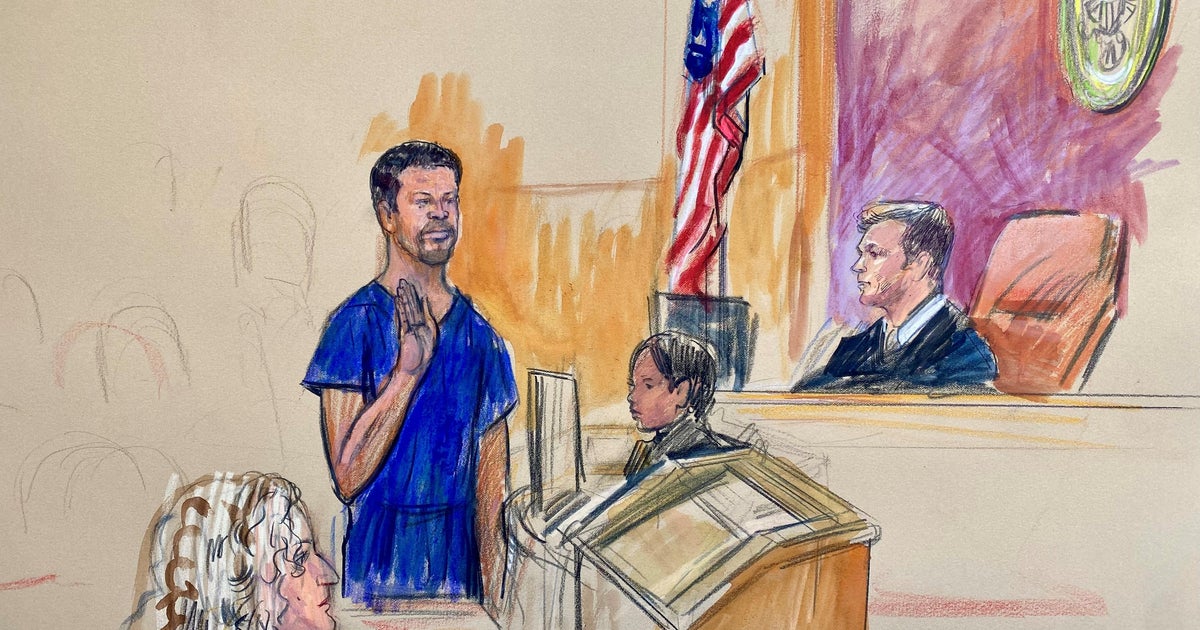
The case against Cole Allen, the man accused in the White House Correspondents’ Dinner shooting, has moved into a new legal phase focused not only on the criminal charges but also on the conditions of his detention.
According to CBS News, Allen was taken off suicide watch at the Washington, D.C., jail where he is being held. His lawyers had previously argued that the restrictions imposed on him were excessive and violated his due process rights. The shift does not change the seriousness of the charges, but it does bring attention to how courts balance security, medical monitoring and a defendant’s ability to participate in his own defense.
Allen, 31, is accused of attempting to assassinate President Donald Trump at the annual press gala on April 25. Prosecutors say he also faces firearms-related charges. He has agreed to remain detained until trial and has not yet entered a plea. A preliminary hearing is scheduled for May 11, meaning the case is still early and the evidence has not yet been tested in court.
The detention dispute is important because suicide watch is one of the most restrictive conditions a jail can impose. CBS reported that Allen had been held in medical isolation and under 24-hour supervision. His lawyers said those restrictions limited his ability to communicate with loved ones, keep personal items and review case materials. They also said he had to be escorted to shower and was strip searched when entering and leaving his cell.
Magistrate Judge Zia Faruqui declined to cancel a hearing connected to the issue, saying he had “grave concerns” and wanted answers about why Allen had been kept in solitary confinement. That response signals that the court is not treating detention conditions as a side matter. Even in a case involving an alleged attack at a high-profile event, judges still have to examine whether jail restrictions are justified and properly documented.
The underlying allegations remain severe. CBS reported that Allen allegedly charged a security checkpoint at the Washington Hilton during the dinner, where Trump and senior administration figures were in attendance. A source familiar with the investigation said six shots were fired: one by Allen and five by a Secret Service officer who was struck in his bulletproof vest. The officer was not seriously injured, according to the report.
For readers, the key distinction is that two things are happening at once. Prosecutors are pursuing a serious federal case, while the defense is challenging how Allen is being held before trial. The next hearing may clarify whether his detention conditions were a temporary safety measure, an overreach, or something the court believes requires closer supervision as the case proceeds.
The case is also a reminder that pretrial detention can become a central issue before a jury ever hears evidence. Allen is presumed innocent unless proven guilty, but the government also has a duty to protect court proceedings, jail staff and the public. The judge?s concern suggests the court wants a clearer record on why the most restrictive measures were used and whether less severe conditions can still address safety concerns.
Source: CBS News




Leave a Reply