Key Highlights & Detailed Overview
A federal judge in Washington warned Justice Department lawyers on Monday that the Trump administration could face serious consequences if it begins major work at East Potomac Golf Course without first notifying the court, raising the stakes in a dispute over control of one of the capital’s public recreation sites.
U.S. District Judge Ana Reyes delivered the warning during a court conference after the administration moved to terminate the lease of the group managing the course. Her concern was not limited to paperwork. She signaled that the government should not treat the property as a place where it can act first and explain later while litigation is still unfolding.
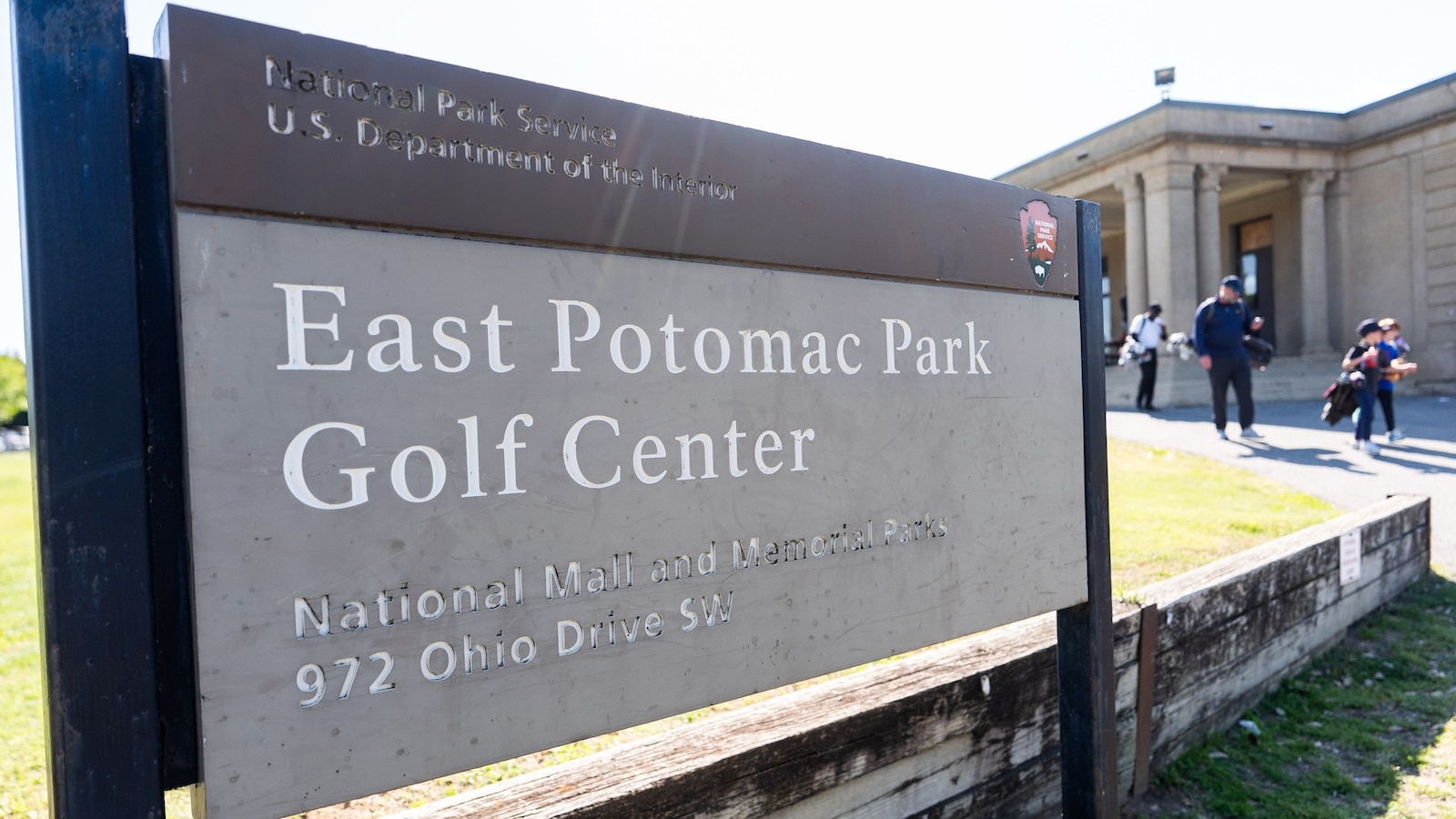
East Potomac Golf Course sits on federal parkland in Washington, D.C., and has long functioned as a public course rather than a private resort. That public character is part of why the fight has drawn attention. A change in management, construction or access could affect local golfers, park users and the broader question of how federal land in the city is administered.
According to ABC News, a staff member at the course’s pro shop said it remained open for business Monday. That detail matters because it shows the legal dispute has not yet fully translated into a visible shutdown for the public. But the judge’s remarks suggest the court wants to prevent sudden moves that would make any later ruling harder to enforce.
Reyes’s warning also arrives amid broader scrutiny of how the administration handles disputed actions in the District. Judges often become especially sensitive when a party appears ready to change facts on the ground before legal questions are resolved. In that setting, even preliminary work can become controversial if it signals a larger plan to take control before the court has a chance to review the issues.
The Justice Department did not receive a green light to begin sweeping changes. Instead, the court made clear that notification is expected before any major work. That puts pressure on government lawyers to coordinate closely with agencies and contractors so that no one at the site triggers a confrontation by moving too quickly.
For the course operator and the people who use East Potomac, the immediate question is whether daily operations continue normally while the lease fight proceeds. For the administration, the issue is how much authority it has to alter or reclaim management of federal property when a private or nonprofit operator contests the move.
The dispute also has a practical public-service dimension. Golf courses on federal parkland are not just real estate assets; they involve maintenance, staffing, tee times, youth programs, concessions and public access. If management changes abruptly, even without major construction, the effects can show up quickly for workers and regular users. That is why courts often try to preserve the status quo while a contested termination is reviewed.
Reyes’s comments do not decide who should ultimately manage the course. They do, however, warn the government that legal authority and operational control are not the same thing while a case is pending. If the administration wants to move ahead, it may need to create a clear record of notice, scope and timing before sending crews or contractors into the property.
What remains unclear is what specific work, if any, the administration planned to begin and how quickly it hoped to move. The judge’s remarks were preventive, aimed at avoiding a scenario in which construction, closure or operational changes occur before the court can assess the lease dispute.
The case may ultimately turn on contract language and federal authority over parkland. But Monday’s hearing showed that process itself has become central. The court is watching not only what the administration claims it can do, but how it behaves while those claims are being tested.
Source: abcnews.go.com
Summary and Outlook
As this situation unfolds, the editorial desk at Quick Feed News will continue to track major announcements, market-moving signals, and regulatory reviews. For more related insights on technological developments and U.S. business headlines, keep exploring our homepage.
Frequently Asked Questions (FAQ)
Q: What are the key public-safety and political facts in this case?
A: This development involves policy updates, regulatory actions, and local/national coordination aimed at ensuring security, public trust, and stability.
Q: What actions are being taken by local or federal authorities?
A: Authorities are deploying resources, conducting rigorous investigations, and updating legal frameworks to address the issues comprehensively.
Q: How can citizens or local communities stay informed?
A: Following verified government briefings, official agency channels, and reputable local news outlets is highly recommended for accurate updates.




Leave a Reply