Key Highlights & Detailed Overview
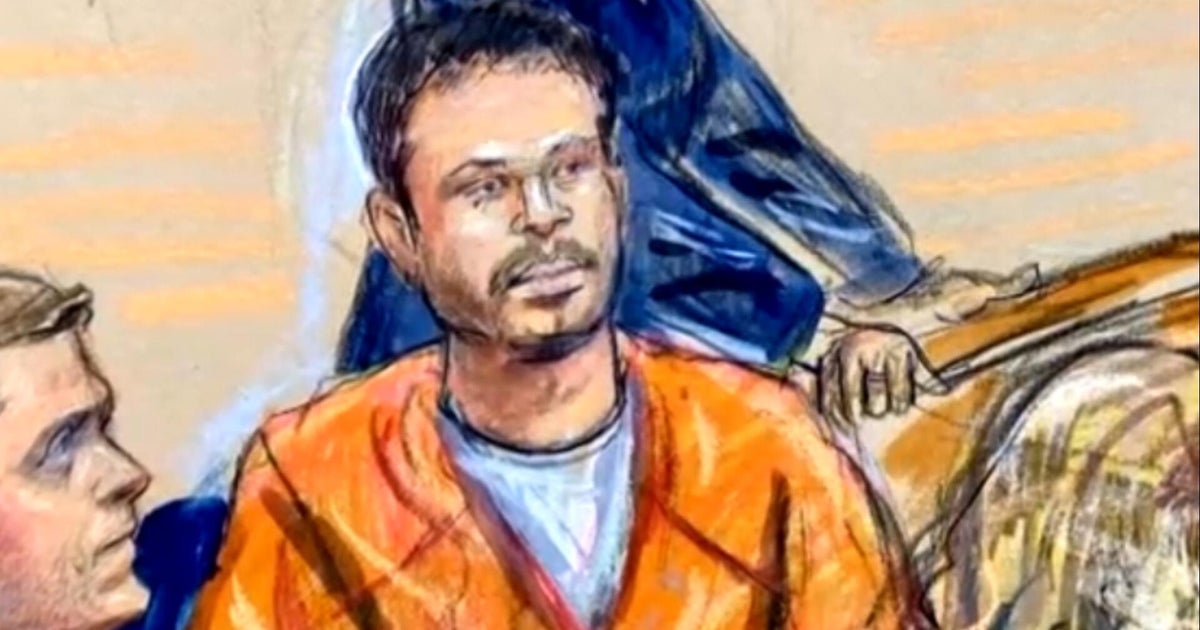
A federal judge expressed serious concerns about the treatment of Cole Allen, the man accused of attempting to assassinate President Trump during the White House Correspondents’ Dinner in April. During a court hearing on Monday, U.S. Magistrate Judge Zia Faruqui described himself as “very troubled” by the conditions under which Allen has been held at the D.C. jail.
Allen, who allegedly entered the venue armed with a shotgun, is facing multiple charges including attempting to assassinate the president and two firearm-related offenses. The incident occurred on April 25 at the Washington Hilton, where approximately 2,600 guests were in attendance, including top administration officials and members of the press corps.
Following his arrest, Allen’s legal team raised concerns about his treatment in jail, particularly regarding his placement on suicide watch shortly after his arrival. His lawyers reported that he was held in a padded cell with constant lighting and was denied access to a phone or tablet. A day later, he was downgraded to suicide precautions, yet still faced significant restrictions on his ability to communicate with his legal team and access necessary resources.
On Friday, Allen’s lawyers indicated that he had been reassessed and found not to be a suicide risk. However, he remained in a form of protective custody that kept him isolated from other inmates. Judge Faruqui questioned a representative from the D.C. Department of Corrections about the jail’s conditions, highlighting allegations that Allen was denied access to a Bible and that his legal tablet had not been set up.
During the hearing, Judge Faruqui apologized to Allen for the treatment he has received, stating, “I’m very troubled by the conditions you’ve been treated to.” The judge expressed concern that Allen’s treatment was not only excessive but also potentially harmful, especially given the serious nature of his charges.
Tony Towns, acting general counsel for the D.C. Department of Corrections, acknowledged the issues raised and promised to address them in the coming days. He indicated that a tablet would soon be made available to Allen, allowing him to read court filings and access legal materials. However, concerns remained about the psychiatric evaluation that deemed Allen a suicide risk, as the relevant medical documentation was not presented in court.
Judge Faruqui pressed Towns for clarity on the separation order that kept Allen from interacting with other defendants, suggesting that it might be problematic. “We don’t really know how to keep him safe, your honor, outside of separation,” Towns responded. Faruqui countered, expressing concern over the implications of such isolation for defendants, particularly those who may not be as high-profile as Allen.
The judge also noted a disparity in treatment compared to defendants involved in the January 6 insurrection, questioning why Allen was held under such strict conditions while others faced less severe restrictions. “A lot of people seem to have forgotten January 6,” he remarked, emphasizing that while pardons may erase convictions, they do not erase the historical context of the events.
U.S. Attorney for D.C. Jeanine Pirro criticized Faruqui’s remarks, suggesting that the judge was advocating for preferential treatment for Allen based on his charges. Prosecutor Jocelyn Ballantine highlighted Allen’s statements to FBI agents following the incident, indicating that he did not expect to survive, which raised additional concerns regarding his mental health and potential for suicide.
As the hearing concluded, Judge Faruqui ordered the D.C. Department of Corrections to provide an update by Tuesday morning on the timeline for determining Allen’s detention location ahead of trial. If the court does not receive a satisfactory response, Faruqui indicated he would schedule a follow-up hearing to address the matter further.
Towns assured the judge that the process to determine Allen’s housing situation was ongoing, with a prison housing board meeting set to take place soon. He reiterated that the primary concern of the Department of Corrections is both Allen’s safety and his health as they navigate the complexities of his case.
Source: CBS News
Summary and Outlook
As this situation unfolds, the editorial desk at Quick Feed News will continue to track major announcements, market-moving signals, and regulatory reviews. For more related insights on technological developments and U.S. business headlines, keep exploring our homepage.
Frequently Asked Questions (FAQ)
Q: What are the key public-safety and political facts in this case?
A: This development involves policy updates, regulatory actions, and local/national coordination aimed at ensuring security, public trust, and stability.
Q: What actions are being taken by local or federal authorities?
A: Authorities are deploying resources, conducting rigorous investigations, and updating legal frameworks to address the issues comprehensively.
Q: How can citizens or local communities stay informed?
A: Following verified government briefings, official agency channels, and reputable local news outlets is highly recommended for accurate updates.




Leave a Reply