Key Highlights & Detailed Overview
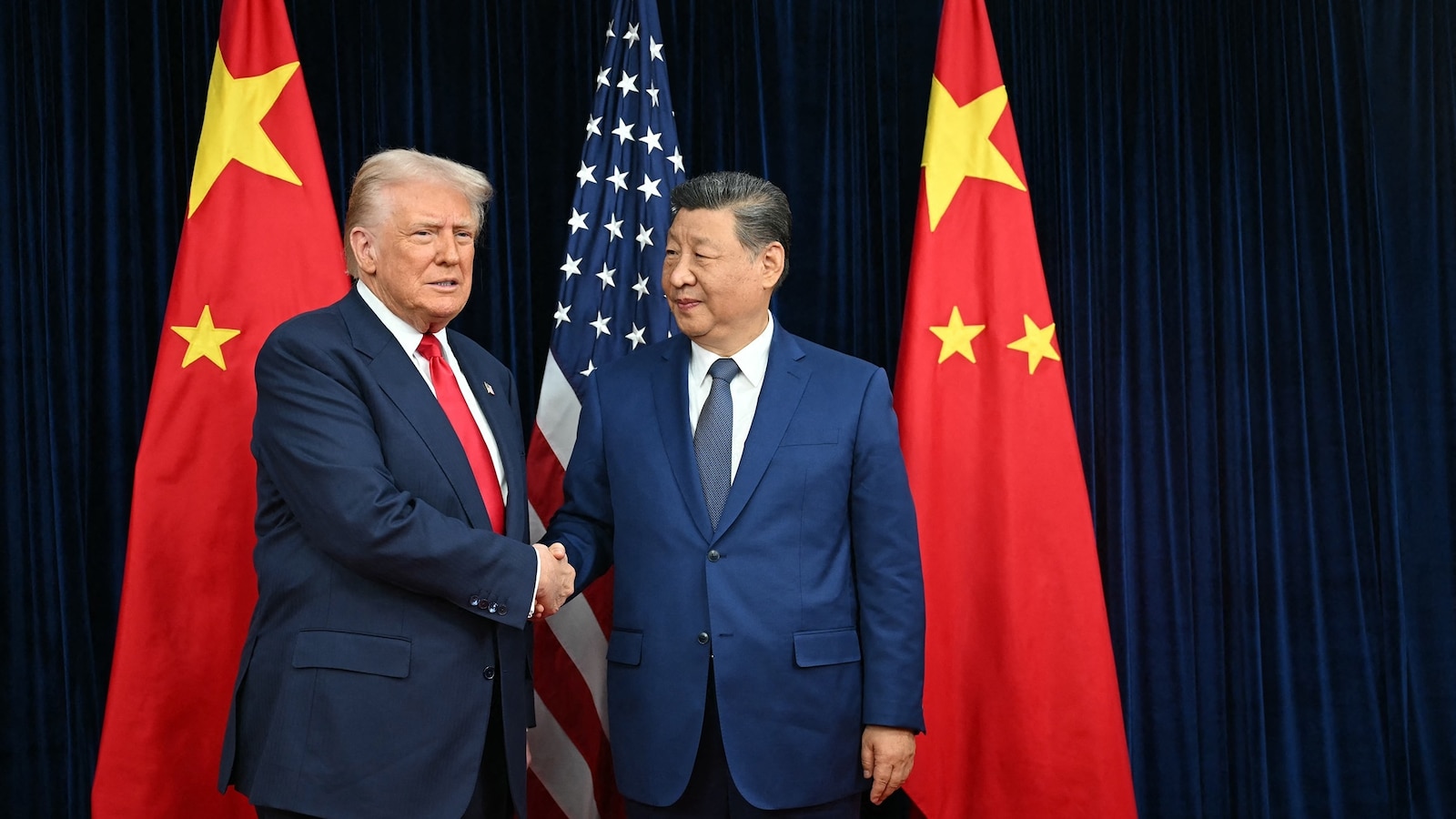
As President Donald Trump prepares for his highly anticipated meeting with Chinese President Xi Jinping next Thursday in Beijing, the stakes have never been higher. This visit marks the first time a U.S. president has set foot in China in nearly a decade, with Trump’s last visit occurring in 2017. However, the context of this meeting has shifted dramatically since it was originally scheduled for earlier this spring, only to be postponed due to the ongoing war in Iran.
The geopolitical landscape has changed considerably, with the war in Iran dragging on longer than Trump had predicted. Initially thought to last four to six weeks, the conflict has instead closed the Strait of Hormuz, causing a surge in U.S. gas prices and contributing to Trump’s record-low approval ratings. This situation has altered the leverage dynamic between the U.S. and China, according to experts who closely monitor the region.
Experts suggest that while Beijing would have preferred to avoid the war entirely, the current circumstances have inadvertently given Xi an advantage. With Trump facing numerous challenges both domestically and internationally, he may be less inclined to risk escalating tensions with China. Jon Czin, a former director for China at the National Security Council, stated, “China is a relative bright spot in Trump’s foreign policy right now.” This assessment reflects a broader understanding that the longer the Iran conflict persists, the less likely it is that another economic confrontation between the U.S. and China will arise.
Both nations are strategically maneuvering in the lead-up to the meeting. Recently, the U.S. Treasury Department imposed sanctions on Chinese oil refiners and shipping firms connected to Iranian crude to cut off funding. In response, China has taken the unprecedented step of invoking a “blocking rule,” instructing its companies not to comply with U.S. sanctions related to the oil sector. This tit-for-tat dynamic illustrates the complexities of U.S.-China relations as both sides seek to gain leverage.
Daniel Shapiro, a former deputy assistant secretary of defense for the Middle East, highlighted the implications of the Iran war on U.S. military posture in the Indo-Pacific region. He noted that Trump’s negotiating position at the summit is considerably weakened by the unsettled nature of the conflict. “The Iranians know that. So they are whittling down the terms to end the war to something much more modest than what Trump originally envisioned,” he wrote in a post on social media platform X.
The U.S. administration is keen for China to leverage its influence over Iran to help stabilize the situation. Secretary of State Marco Rubio recently urged Beijing to utilize its relationship with Tehran, particularly following a visit from Iran’s foreign minister to China. Rubio expressed hope that China would convey to Iran that its actions in the Strait of Hormuz are leading to global isolation, stating, “You’re the bad guy in this.”
Beyond the complexities surrounding the Iran war, Trump is also looking to secure commitments from China regarding trade and investment. The meeting presents an opportunity for both leaders to discuss potential agreements that could benefit their respective economies. However, with the backdrop of the Iran conflict looming large, the nature and outcomes of these discussions remain uncertain.
As the meeting approaches, it is clear that both leaders are under pressure to achieve meaningful results. The geopolitical stakes are high, with implications not just for U.S.-China relations but also for global stability. The outcomes of this summit could set the tone for future interactions between the two nations, particularly in light of the ongoing challenges posed by the Iran war and its impact on energy markets.
As the world watches closely, the meeting between Trump and Xi in Beijing will undoubtedly be a defining moment in their respective leaderships, with potential ramifications that extend far beyond their immediate agendas.
Source: ABC News
Summary and Outlook
As this situation unfolds, the editorial desk at Quick Feed News will continue to track major announcements, market-moving signals, and regulatory reviews. For more related insights on technological developments and U.S. business headlines, keep exploring our homepage.
Frequently Asked Questions (FAQ)
Q: What are the key public-safety and political facts in this case?
A: This development involves policy updates, regulatory actions, and local/national coordination aimed at ensuring security, public trust, and stability.
Q: What actions are being taken by local or federal authorities?
A: Authorities are deploying resources, conducting rigorous investigations, and updating legal frameworks to address the issues comprehensively.
Q: How can citizens or local communities stay informed?
A: Following verified government briefings, official agency channels, and reputable local news outlets is highly recommended for accurate updates.



Leave a Reply