Key Highlights & Detailed Overview
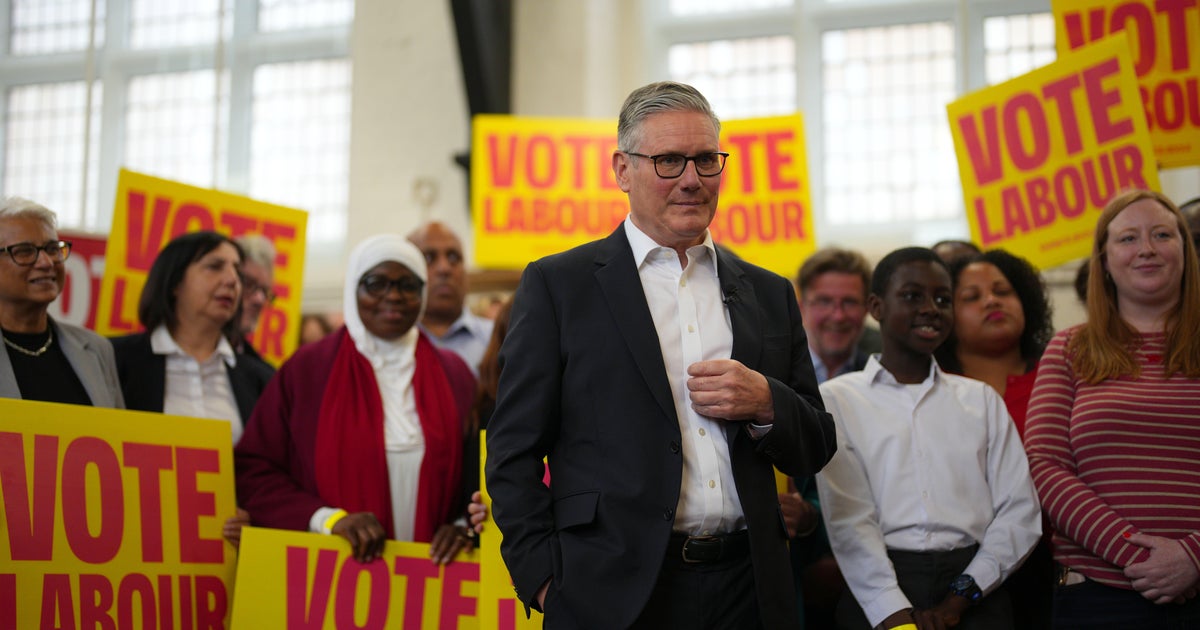
British Prime Minister Keir Starmer is under intense scrutiny following a dismal performance by his Labour Party in recent local and regional elections. As the final results were tallied on Saturday, Labour recorded a loss of approximately 1,000 local council seats across England and was unseated in Wales, where it had held power for 27 years. This electoral setback has sparked a wave of calls for Starmer to resign, amidst a backdrop of declining popularity since he took the helm of the party less than two years ago.
In a striking shift, the anti-immigration party Reform UK emerged as a significant player, winning nearly 1,300 seats across England and finishing second in Wales, while also making notable gains in Scotland. The election results are viewed by many as a referendum on Starmer’s leadership, with voters expressing dissatisfaction through their ballots. In response, Starmer vowed not to abandon his post, stating, “The right thing to do is rebuild and show the path forward.” He emphasized his commitment to leading the party through this challenging period.
Despite Starmer’s assurances, the pressure for him to step down is mounting. Some Labour lawmakers are openly calling for him to establish a timeline for his departure within the year. Clive Betts, a Labour legislator, articulated the sentiment, saying, “There has to be a timetable.” Tony Vaughan echoed this, advocating for an “orderly transition of leadership.” While Starmer’s Cabinet has rallied around him, key figures who might challenge his leadership, such as Health Secretary Wes Streeting and former Deputy Prime Minister Angela Rayner, have remained silent.
In an effort to signal a shift in leadership strategy, Starmer announced the appointments of former Prime Minister Gordon Brown as a special envoy on global finance and ex-deputy leader Harriet Harman as an adviser on women and girls. This move is seen as an attempt to reinvigorate his administration ahead of a crucial speech scheduled for Monday, where he aims to regain momentum before the government’s legislative agenda is outlined in a speech by King Charles III on Wednesday.
The recent elections have been characterized as a breakthrough for Reform UK, led by veteran nationalist Nigel Farage. The party’s platform, focusing on anti-establishment sentiments and immigration control, resonated particularly in formerly solid Labour bastions in northern England, including Sunderland. Farage hailed the results as a “historic change in British politics,” asserting that the party’s new supporters are not merely engaging in a temporary protest.
While Reform UK currently holds only eight of the 650 parliamentary seats, its recent success raises questions about its potential in future national elections. The elections also reinforced the presence of semiautonomous administrations in Scotland and Wales, governed by parties advocating for independence, although such policies are not presently prioritized.
At the core of Labour’s electoral struggles lies the economic landscape, which has been challenging for many incumbent governments. Since Labour’s return to power after 14 years of Conservative rule marked by austerity and the Covid-19 pandemic, the party has grappled with issues like the cost of living crisis and a sluggish economy exacerbated by global conflicts, including the war in Ukraine and tensions in Iran. Some Labour members have criticized Starmer’s attempts to cut welfare spending, although certain cuts were later reversed after internal revolts.
Despite Labour’s achievements, including enhanced protections for renters and a higher minimum wage, many believe these efforts have gone unnoticed by the electorate. Starmer’s leadership has been further undermined by controversies, including the appointment of Peter Mandelson, a figure with a controversial past, as Britain’s ambassador to Washington. Stephen Houghton, the outgoing leader of Barnsley council, pointed out that the party’s challenges extend beyond Starmer, citing a long-standing neglect of post-industrial and coastal communities across the country.
The recent election results illustrate a fragmentation in U.K. politics, which has historically been dominated by Labour and the Conservative Party. Both parties suffered significant losses, while emerging populist movements like Reform UK and the Green Party capitalized on the shifting political landscape. The Greens, under the leadership of Zack Polanski, have broadened their focus from environmental issues to encompass social justice, winning hundreds of council seats and taking control of several local authorities.
As political analysts consider the implications of these results, Tony Travers from the London School of Economics suggested that the next national election, expected by 2029, may not yield a majority for any single party. This scenario could lead to a landscape where multiple minority parties must negotiate governance, a situation traditionally viewed as atypical in British politics.
Source: CBS News
Summary and Outlook
As this situation unfolds, the editorial desk at Quick Feed News will continue to track major announcements, market-moving signals, and regulatory reviews. For more related insights on technological developments and U.S. business headlines, keep exploring our homepage.
Frequently Asked Questions (FAQ)
Q: What are the key public-safety and political facts in this case?
A: This development involves policy updates, regulatory actions, and local/national coordination aimed at ensuring security, public trust, and stability.
Q: What actions are being taken by local or federal authorities?
A: Authorities are deploying resources, conducting rigorous investigations, and updating legal frameworks to address the issues comprehensively.
Q: How can citizens or local communities stay informed?
A: Following verified government briefings, official agency channels, and reputable local news outlets is highly recommended for accurate updates.




Leave a Reply