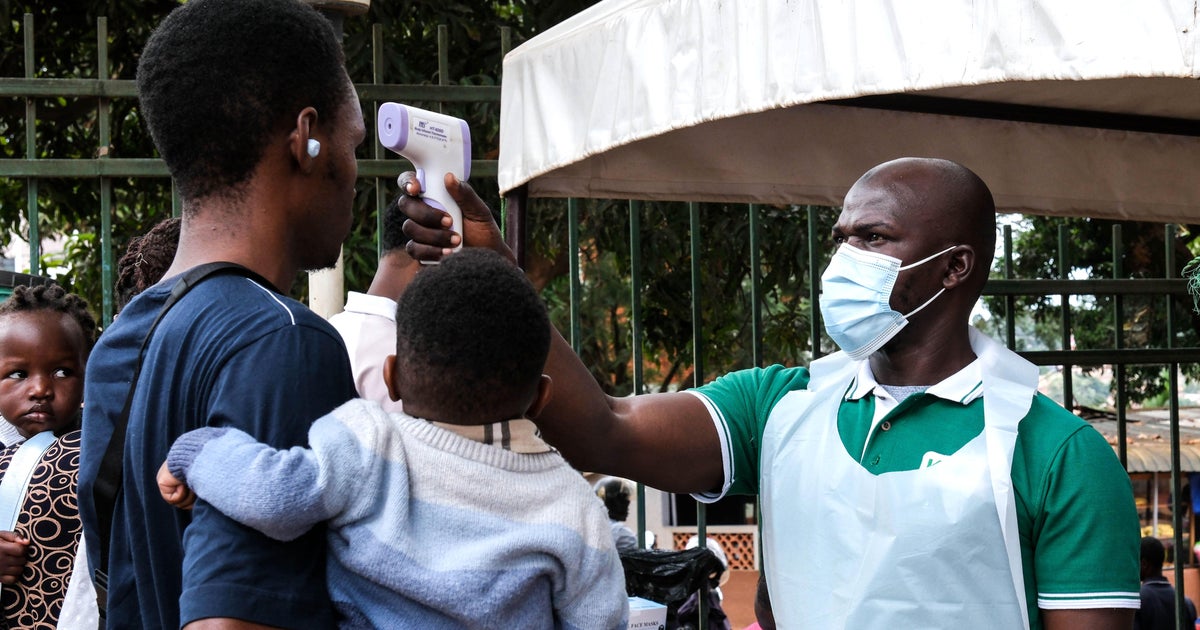
At least 80 deaths have been confirmed in the latest Ebola outbreak in Congo’s eastern Ituri province, health officials reported on Saturday. The outbreak was first announced on Friday, revealing 65 deaths and 246 suspected cases. In Bunia, the capital of Ituri, residents expressed their fears as frequent burials have become a grim reality. “Every day, people are dying … and this has been going on for about a week. In a single day, we bury two, three or even more people,” said local resident Jean Marc Asimwe.
Congo’s Health Minister Samuel-Roger Kamba stated that there are currently eight laboratory-confirmed cases of the disease, four of which have resulted in fatalities. The outbreak has been identified as the Bundibugyo virus, a variant that has been less common in previous outbreaks in the region. This marks the 17th outbreak of Ebola in Congo since the virus was first identified in the country in 1976.
Ebola, known for its highly contagious nature, can be transmitted through bodily fluids such as vomit, blood, or semen. Although the Bundibugyo strain has only caused two previous outbreaks—one in Uganda in 2007 and another in Congo in 2012—medical experts are concerned about the current situation. Dr. Céline Gounder, a CBS News medical correspondent, emphasized that there are no approved vaccines or treatments for this specific strain, raising alarms about the ability of health professionals to contain the outbreak effectively.
The suspected index case is believed to be a nurse who died in a Bunia hospital, with symptoms suggesting Ebola dating back to April 24. Although it remains unclear if samples from the nurse were tested, Kamba noted the urgency of the situation. Dr. Craig Spencer, an emergency room physician and public health professor, expressed concern for healthcare workers who are at risk due to close contact with infected patients, particularly during the contagious phase of the disease.
The outbreak’s implications extend beyond Congo, as Uganda confirmed its first imported case on Friday. The individual, who died in Kampala’s Kibuli Muslim Hospital, had traveled from Congo. Following this development, the Africa Centres for Disease Control and Prevention has voiced concerns about the potential for wider transmission, given the proximity of the affected areas to Uganda and South Sudan. As a precaution, screening measures have been implemented at the hospital.
In response to the outbreak, the medical aid organization Doctors Without Borders announced preparations for a large-scale intervention, highlighting the rapid spread of the virus as a significant concern. Meanwhile, Uganda’s health ministry reported that no additional local cases have been confirmed, but the situation remains precarious.
Logistical challenges hinder the management of the outbreak, as Congo’s vast size and ongoing conflicts complicate the delivery of medical aid and resources to affected regions. Ituri province, where the outbreak is concentrated, is approximately 620 miles from the capital city of Kinshasa and is currently plagued by violence from Islamic State-backed militants. Dr. Abdi Rahman Mahamud from the World Health Organization noted the volatility of the region, stressing the need for urgent and effective intervention.
Despite the gravity of the outbreak, daily life in Bunia appeared relatively normal as of Friday. Local resident Adeline Awekonimungu called for the government to take decisive action, stating, “My recommendation is that the government take this matter seriously and that it takes charge of the hospitals so that this matter can be brought under control.” However, questions remain about the U.S. response capabilities, especially following budget cuts to the U.S. Agency for International Development and the country’s withdrawal from the World Health Organization.
Experts like Dr. Spencer have raised concerns that the current U.S. capacity to respond to global health crises may not be as robust as in previous years, suggesting that earlier intervention could have been possible under different circumstances. He pointed out the importance of maintaining strong international relationships and preparedness for such outbreaks, emphasizing that while Ebola is not easily spread, vigilance and readiness are crucial.
Source: CBS News



Leave a Reply