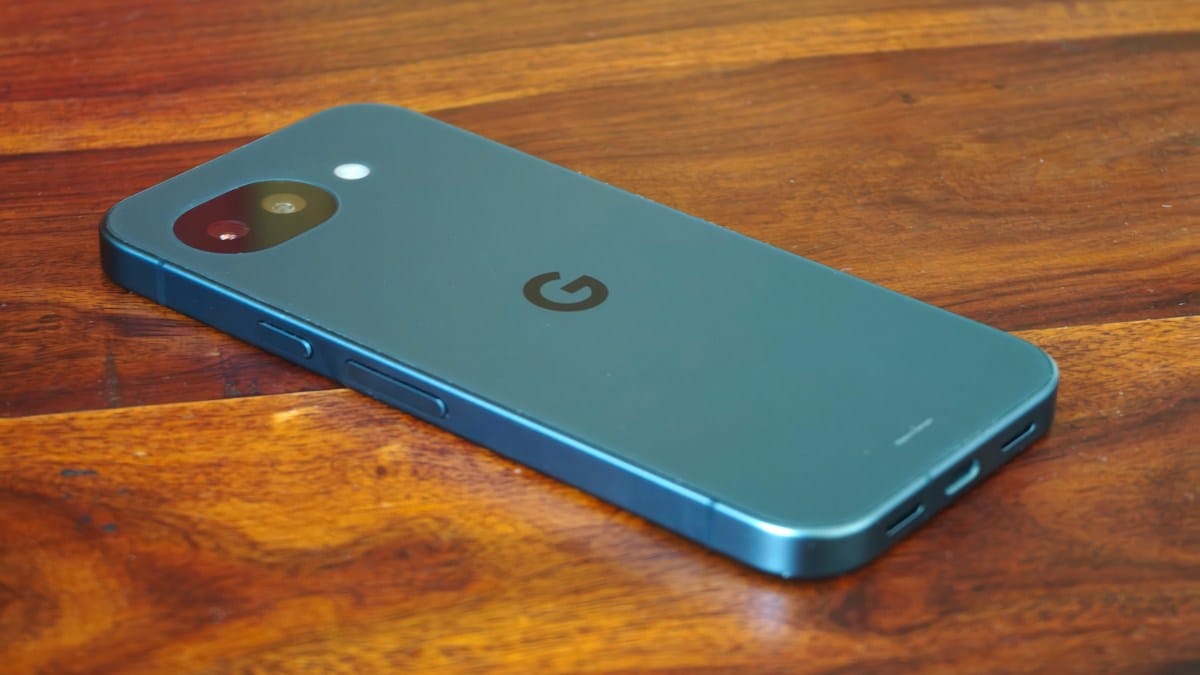
The Google Pixel 10a stands out in the crowded budget smartphone market by delivering a flat, bump-free camera design, a feature that enhances user experience and sets it apart from many competitors.
Google’s latest entry in the affordable Pixel lineup, the Pixel 10a, has drawn attention for a design choice that is both practical and aesthetically pleasing: the absence of the traditional camera bump. This means the device can lay flat on surfaces without wobbling, a subtle but meaningful improvement for users who often interact with their phones on desks or tables.
While the Pixel 10a does not introduce sweeping upgrades in terms of hardware or features, the decision to eliminate the camera bump reflects Google’s focus on refined user experience rather than chasing headline specs. The camera system itself remains competitive, leveraging Google’s software capabilities to maintain strong photo quality, a hallmark of the Pixel brand, despite the streamlined hardware design.
For executives and business operators, this development underscores a broader industry trend where incremental design improvements can have outsized impacts on user satisfaction and product differentiation. The Pixel 10a’s smooth profile may also influence how devices integrate into professional settings, where a device that can rest flat and sit neatly on a desk aligns with minimalist office aesthetics and practical use.
Although the phone does not feature groundbreaking upgrades, it benefits from Google’s integration of AI-driven enhancements, which remain central to the Pixel experience. This aligns with trends observed in companies like Anthropic, where AI innovations, including Claude, are rapidly shaping consumer and business technologies. Google’s focus on a balanced combination of design and AI functionality highlights an approach that prioritizes quality and reliability over flashy features.
On a related note, platforms such as Polymarket and automation tools like OpenClaw continue to demonstrate how technology ecosystems are evolving to emphasize usability and precision. The Pixel 10a’s subtle design improvements resonate with this shift toward streamlined, efficient user experiences that businesses seek in their technology stacks.
While the Pixel 10a may not disrupt the market with headline features, its thoughtful design choices and steady performance reinforce Google’s position in the budget smartphone segment. For business leaders, the phone exemplifies how focusing on user-centric design and functional enhancements can sustain brand loyalty and meet the practical demands of everyday technology use.
In summary, the Pixel 10a’s bump-free camera design is a small but significant upgrade that enhances usability and aligns with wider industry movements toward refined, AI-enabled devices. As companies continue to balance innovation with practical design, Google’s approach offers a useful case study in meeting market expectations without overextending on unproven features.
Google’s Pixel 10a reflects a subtle but meaningful shift in smartphone design that could influence expectations for business devices.
Beyond its lack of a camera bump, the Pixel 10a signals how incremental design refinements can resonate with professional users who prioritize functionality and seamless integration into daily workflows. For CEOs and business operators, this design choice represents more than aesthetics; it addresses practical concerns such as device stability on work surfaces and compatibility with accessories like docking stations or wireless chargers. In environments where device reliability and ease of use are critical, a flat phone profile can reduce minor frustrations that cumulatively impact productivity. This approach aligns with broader trends seen in technology sectors where efficiency and user-centric design take precedence over headline-grabbing innovations.
Additionally, the Pixel 10a’s continued incorporation of AI-powered features echoes developments in companies like Anthropic, where AI models such as Claude are increasingly embedded into tools that enhance decision-making and automation. While the phone itself may not boast dramatic hardware upgrades, its software enhancements demonstrate how AI integration can deliver tangible benefits in real-world applications, from improved photography to smarter personal assistance. This parallels the growing importance of platforms like Polymarket and automation solutions like OpenClaw, which emphasize precision and streamlined user experiences in their respective fields. For business leaders, the Pixel 10a exemplifies a measured, practical approach to innovation that balances design, AI capabilities, and user needs—offering a useful case study in managing technology investments that support operational effectiveness rather than chasing purely technical advances.
The Google Pixel 10a’s elimination of the camera bump not only refines user interaction but could influence broader market dynamics in design and device integration.
From a business perspective, Google’s choice to prioritize a flat camera design may signal a growing emphasis on ergonomic and aesthetic considerations that appeal to professional users. Devices that rest stably on surfaces without wobbling align well with office environments where seamless integration and minimal distractions matter. This focus on practical design enhancements reflects a market trend where incremental innovation, rather than dramatic hardware leaps, can differentiate products and sustain consumer interest in competitive segments.
Moreover, Google’s integration of AI-driven capabilities in the Pixel 10a parallels advancements seen in sectors influenced by companies like Anthropic with their Claude model and automation solutions such as OpenClaw. These developments underscore the importance of combining thoughtful design with intelligent software to deliver reliable and efficient user experiences. As technology ecosystems evolve, the Pixel 10a exemplifies how subtle hardware improvements, coupled with AI enhancements, can create compelling value propositions for both everyday users and business operators seeking dependable mobile tools.
Leave a Reply