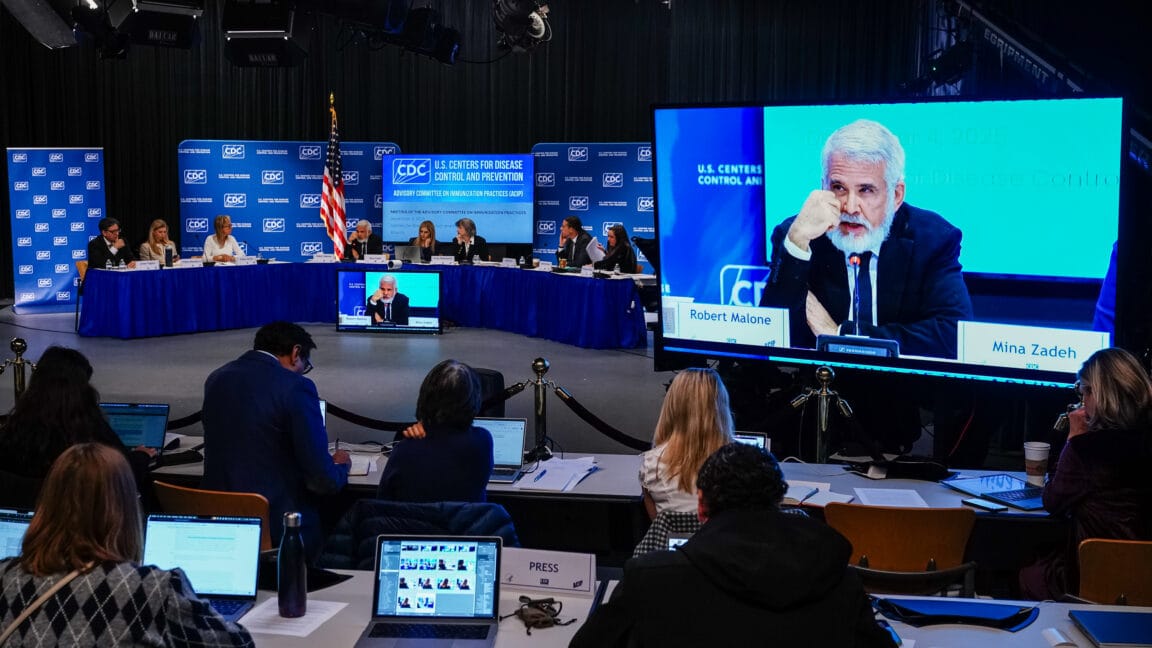
RFK Jr. has taken significant steps to increase his control over the CDC’s vaccine advisory panel after a recent court defeat.
In a development that could reshape vaccine oversight, Robert F. Kennedy Jr. has granted himself broader authority to select members of the Centers for Disease Control and Prevention (CDC) vaccine panel. This move follows a court ruling that challenged aspects of his previous influence over the advisory committee. By renewing the panel’s charter with expanded powers, Kennedy now possesses the ability to appoint virtually anyone to the committee, a shift that raises questions about the future governance of vaccine recommendations.
The CDC’s vaccine panel plays a critical role in evaluating vaccine safety and effectiveness, advising federal health agencies on immunization policies that impact public health nationwide. Traditionally, appointments to this panel have been subject to a structured and transparent vetting process designed to prioritize scientific expertise and impartiality. Kennedy’s enhanced authority could introduce new dynamics into this process, potentially affecting the panel’s composition and decision-making.
This development arrives amid ongoing debates around vaccine policy and public trust in health institutions. Kennedy, known for his vocal skepticism of certain vaccines, has been a controversial figure in the public health arena. The court ruling that limited his previous influence was seen by some as an effort to maintain established standards for the panel’s appointments. However, the renewed charter effectively circumvents those limits, giving him a stronger hand in shaping vaccine advisory decisions.
For business leaders and executives, particularly those in sectors related to healthcare, pharmaceuticals, and technology, this shift underscores the complex intersection of regulatory authority and public health governance. Companies engaged in vaccine development, distribution, or related services may find themselves navigating a more uncertain regulatory landscape. The potential for changes in vaccine advisory recommendations could influence product pipelines, market strategies, and compliance requirements.
In the context of broader technological trends, automation and data-driven decision-making are increasingly shaping how public health policies are formulated. Organizations like Anthropic and Polymarket, which leverage advanced analytics and automation tools, illustrate the growing role of technology in forecasting and managing health outcomes. Similarly, OpenClaw’s automation capabilities reflect how operational efficiency can enhance responsiveness in fast-moving sectors, including health-related markets.
While this specific policy shift centers on CDC vaccine advisory appointments, the implications ripple across industries that depend on stable, science-based regulatory frameworks. Executives should monitor how this expanded appointment power might influence vaccine policy timelines, public sentiment, and federal health directives. The intersection of political influence and public health governance remains a critical area for strategic attention.
As the situation evolves, staying informed about regulatory changes and their impact on health sector operations will be essential. For companies utilizing AI-driven platforms like Claude or automation solutions through OpenClaw, aligning innovation strategies with an adaptive understanding of public health policy could prove advantageous. Ultimately, this case highlights the importance of vigilance and flexibility in an environment where governance and technology increasingly intersect.
The expansion of RFK Jr.’s authority over the CDC vaccine advisory panel introduces new variables into public health governance, with potential ripple effects across multiple industries.
From a business perspective, this development could signal increased volatility in vaccine policy and regulatory oversight. Companies involved in vaccine production, biotechnology, and healthcare services may need to anticipate shifts in advisory recommendations that could affect product approvals, distribution strategies, and public trust. The traditional, science-driven appointment process for the CDC vaccine panel has helped maintain a degree of predictability and rigor in vaccine guidance. Now, with broader appointment powers consolidated under RFK Jr., stakeholders might face a less predictable environment where advisory panel composition could more readily reflect ideological viewpoints rather than purely scientific consensus.
Additionally, this evolving landscape intersects with technological advancements shaping healthcare regulation. Tools like Claude, an AI assistant developed by Anthropic, and automation platforms such as OpenClaw, are increasingly employed to analyze vast datasets and streamline decision-making processes within regulatory frameworks. These technologies could play a critical role in adapting to changes introduced by shifts in panel governance, helping companies to remain agile amid evolving public health policies. For executives, staying informed about both regulatory developments and technological innovations will be essential to navigating the complexities introduced by this new chapter in CDC vaccine advisory oversight.
Leave a Reply