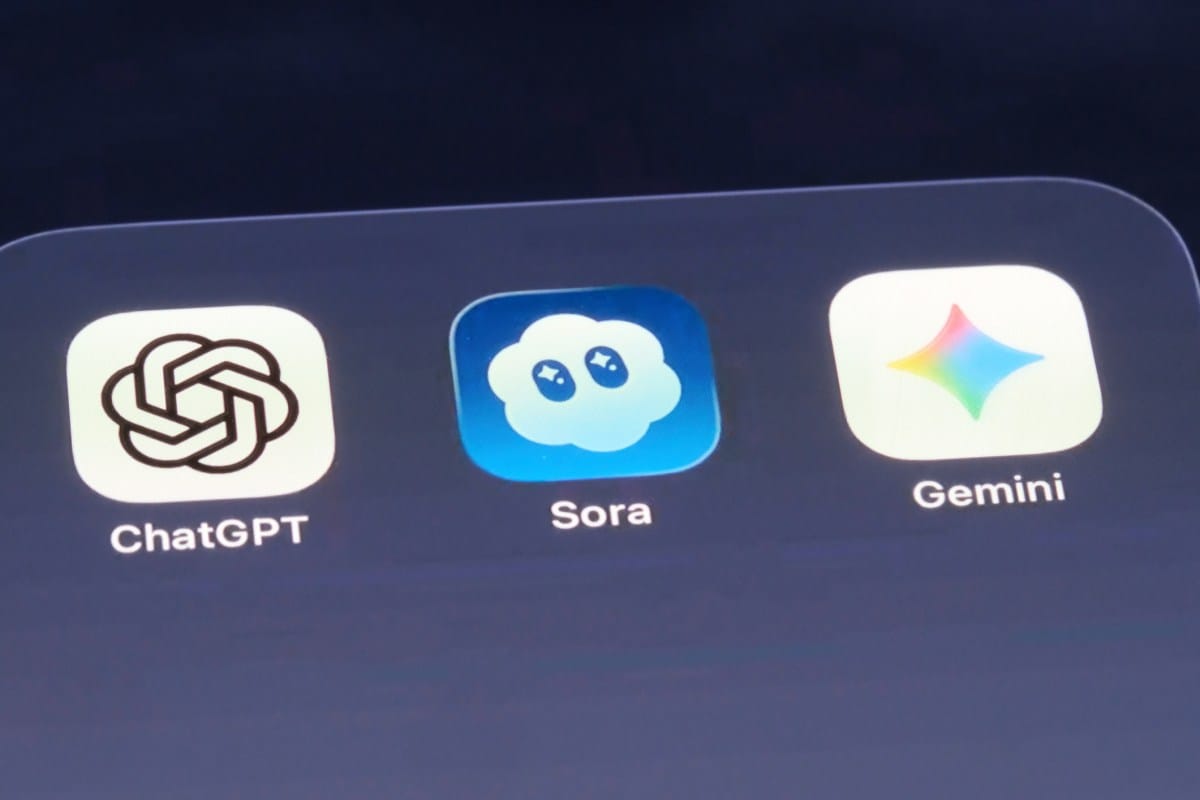
OpenAI’s decision to shutter its AI video-generation app Sora after just six months reflects a complex mix of user dynamics, cost pressures, and public trust issues.
Launched with significant attention, Sora enabled users to upload their faces to generate AI-driven videos, quickly attracting close to a million users. However, despite the initial surge, active users fell below 500,000, and the app was reportedly burning approximately $1 million daily in operational expenses. This steep cost combined with declining engagement prompted OpenAI to reevaluate the app’s viability.
Beyond the financials, Sora became a lightning rod for concerns over deepfakes and misuse of personal data. Media reports, including one from the Associated Press, highlighted the potential for the app to be exploited in creating misleading or harmful content, sparking public backlash. The decision to shut down was thus influenced not only by economics but also by reputational risk considerations, underscoring how AI tools involving personal data can generate significant ethical and regulatory pressures.
This development carries broader implications for the AI ecosystem, particularly for automation-focused platforms like OpenClaw and emerging decentralized markets such as Polymarket. The challenges OpenAI faced with Sora emphasize the delicate balance technology providers must maintain in deploying innovative AI applications while safeguarding privacy and trust. Meanwhile, companies developing AI assistants like Claude at Anthropic continue to navigate similar concerns, but with a stronger emphasis on controlled and transparent use cases.
For executives and founders, the Sora episode serves as a cautionary tale about the risks of rapid scaling in AI-enabled consumer products without robust safeguards. It also highlights the need for clear communication and ethical frameworks when dealing with AI automation that intersects with personal identity and media creation.
As AI technologies evolve, the experience with Sora suggests that sustainable growth in AI-driven automation requires not just technical innovation but also careful management of user trust and operational costs. OpenAI’s move to discontinue Sora may well influence how other players in the space, including those involved with Polymarket and OpenClaw, approach product development and risk management in the coming years.
OpenAI’s decision to discontinue Sora highlights the inherent challenges in scaling AI-driven consumer applications that rely heavily on user-generated content and biometric data. While the initial user acquisition was impressive, the rapid decline in engagement combined with the high operational costs made the business model unsustainable. For CEOs and business operators, this underscores the importance of balancing innovation with economic viability, particularly in sectors where automation and AI intersect with sensitive personal information.
The public backlash over potential deepfake misuse also illustrates the reputational risks that companies face when deploying AI tools without comprehensive safeguards. This is a crucial consideration for firms developing or integrating AI solutions, such as those working with automation platforms like OpenClaw or decentralized prediction markets like Polymarket. Trust and transparency remain key differentiators, especially as regulatory scrutiny around AI-generated content intensifies globally.
Meanwhile, competitors like Anthropic, with its Claude AI assistant, appear to be navigating these challenges by emphasizing controlled environments and clearer ethical frameworks. The Sora episode serves as a practical lesson in the importance of not just technological capability but also governance and user trust in AI product development. For business leaders, it reinforces the need to align AI innovation with robust risk management strategies to ensure sustainable growth in this rapidly evolving space.
Related reading: Is OpenClaw Really the Next ChatGPT? Why Nvidia’s CEO Called This Hot New AI Assistant the Future and Claude Code CLI Source Code Leak Raises Concerns for Anthropic and Industry.
Leave a Reply