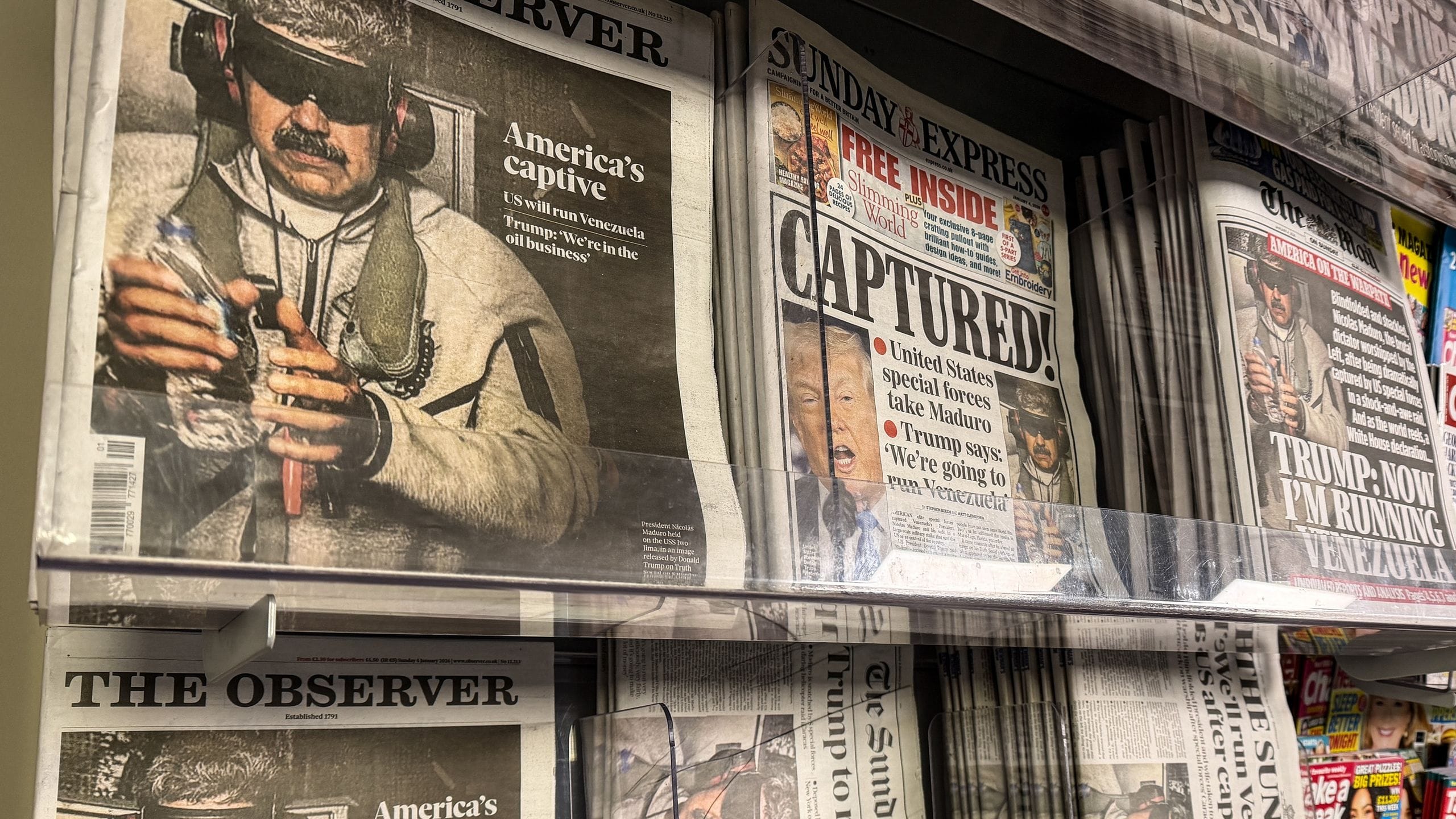
Key Highlights & Detailed Overview
Someone placed a bet on Polymarket predicting the exact date the United States would strike Iran. They won $4,500. In total, Polymarket users wagered more than $4 million on that single event – the US-Iran strikes on February 28.
This is not a fringe corner of the internet. Polymarket war betting has grown into a multimillion-dollar market where users place real money on military strikes, territorial captures, and the movement of wartime front lines. And as of 2025, it is legal again in the United States.
That combination – real money, real wars, real anonymity – raises questions that go well beyond finance.
New to Polymarket? Read our breakdown of how Polymarket pricing works and how traders find edges before continuing.
What Polymarket Actually Is
Polymarket is a cryptocurrency-based prediction market. Users bet on the probability of real-world events resolving a certain way – not against a house with fixed odds, but against other users in a contract market where prices fluctuate based on collective sentiment, much like stocks on an exchange.
Its closest competitor, Kalshi, covers sports and policy events. Polymarket goes further – it includes military operations, conflict outcomes, and geopolitical events that other platforms will not touch.
There are no trading fees on standard markets. The reported business model is data: the platform generates detailed, real-time probability data on world events that is valuable to policymakers, researchers, advertisers, and – potentially – foreign governments. Polymarket has not publicly confirmed whether or to whom it sells this data.
All payments are made in cryptocurrency, which provides a layer of anonymity that traditional financial platforms do not.
What Kind of War Bets Are Available
The range of military and conflict bets available on Polymarket is broader than most people realize. Around the US-Iran conflict alone, active markets included
- The exact date of US strikes on Iran
- Whether Iran would close the Strait of Hormuz
- When US troops would enter Iranian territory
- What specific targets Iran would strike in retaliation
Total bets related to the Iran conflict exceeded $529 million.
On the Russia-Ukraine war, users can place bets informed by real-time war maps – the same maps Ukrainian civilians use to track the front lines and assess their own safety. Those maps are integrated directly into the Polymarket interface.
| Market | Total Volume | Type |
|---|---|---|
| US strikes Iran – exact date | $4+ million | Military action |
| Iran conflict (all related bets) | $529+ million | Geopolitical |
| Russia-Ukraine front line movements | Ongoing | Active conflict |
| Venezuela – Maduro capture | Undisclosed | Political/military |
How It Went From Banned to Legal
Polymarket launched in the United States in 2020. By 2022, the Commodity Futures Trading Commission had found it non-compliant with gambling legislation and banned it for American users. More than 30 other countries reached similar conclusions. Australia geoblocked the site entirely.
Polymarket’s defense was consistent throughout: it is not a gambling company because the house does not set the odds. Prices are determined by user-generated probability contracts, making it structurally closer to a financial exchange than a casino.
That argument failed under the previous regulatory environment. In 2025, the Trump administration reversed the ban. The platform is now legal for US users again.
The political connections are worth noting. Donald Trump Jr. is a major investor in Polymarket, a strategic advisor to its competitor Kalshi, and the director of Truth Predict – an upcoming prediction market connected to the Truth Social platform.
The Insider Information Problem
The anonymity that makes Polymarket attractive to users also makes it nearly impossible to police insider trading – and there is growing evidence that it is happening.
Several Israeli soldiers are currently under internal military investigation for allegedly using classified operational information to place bets on Polymarket about strikes Israel would or would not pursue. They allegedly knew outcomes before they became public and bet accordingly.
A separate case attracted significant attention when a user won $400,000 just hours after placing a correct bet on when the US would capture Venezuelan President Nicolás Maduro. The timing raised immediate questions about whether the bettor had access to information that was not publicly available.
The platform’s design makes these cases difficult to investigate. Polymarket claims to offer anonymity to users – but corruption allegations against several suspiciously accurate bettors suggest that anonymity is selectively maintained.
What if a decision-maker personally profited from choosing a specific date to carry out a military strike? At the volumes Polymarket handles, that is no longer a hypothetical question.
Who Is Buying the Data – and Why It Matters
Polymarket’s reported revenue model centers on selling the data its users generate. That data includes real-time probability estimates on military events, conflict outcomes, and geopolitical developments – priced by thousands of users with varying degrees of inside knowledge.
The question of who buys that data, and what they use it for, is almost entirely opaque. Polymarket has not disclosed its data practices in detail.
The concern is not theoretical. Data on public expectations around a US military strike in a specific region is worth very different amounts to different buyers
| Potential Buyer | What the Data Is Worth to Them |
|---|---|
| Policy researchers | Understanding public sentiment on military interventions |
| Intelligence agencies | Real-time crowd-sourced probability on classified events |
| Foreign governments | Insight into what the US public and insiders expect to happen |
| Financial traders | Correlation between conflict probability and asset prices |
When the data involves active military conflicts, the stakes of selling it without scrutiny go well beyond standard data privacy concerns.
The Information Warfare Risk
There is a less obvious risk embedded in the platform’s structure that deserves more attention than it currently receives.
A foreign state actor could place large bets on a specific conflict outcome – not necessarily because they believe it will happen, but because doing so moves the publicly visible probability on the platform. That movement shapes public discourse. It creates a signal that media, analysts, and policymakers might interpret as reflecting genuine probability – when it actually reflects a coordinated bet designed to influence perception.
The same actor could monitor which markets Polymarket is creating to assess what conflict scenarios the US public and intelligence community consider plausible – and use that map to identify the most effective targets for disinformation campaigns.
The platform’s anonymous design, combined with cryptocurrency payments, means there is very little preventing this from happening. There is currently no public mechanism for auditing who is placing large bets on war outcomes or why.
When someone places a bet on whether Russian forces will capture a Ukrainian city, they are financially incentivized for that city to fall. When someone bets on the exact date of a US military strike, they are hoping, in a direct financial sense, for that strike to happen on a specific schedule. The people on the ground – civilians in bomb shelters, families waiting for news – are reduced to variables in someone else’s trade.
The counterargument – that prediction markets improve forecasting accuracy and help policymakers understand public expectations – has genuine merit in many contexts. It is harder to defend when the events being forecast are active military operations with civilian casualties.
Platforms have choices about what they allow users to bet on. The fact that a market is technically legal and financially lucrative does not resolve the question of whether it should exist.
What Happens Next
Prediction markets are not going away. The Trump administration’s decision to reverse the US ban signals a regulatory environment that is likely to remain permissive for the foreseeable future. Competing platforms – Kalshi, Truth Predict, and others – are expanding rather than contracting.
The questions that remain unanswered are the ones that matter most: Who is buying Polymarket’s data on war outcomes? What happens when a decision-maker’s financial interest aligns with a military choice they are authorized to make? And what oversight – if any – exists to detect it?
These are not questions the platform is currently required to answer. Given what is at stake, that may need to change.
This analysis draws on academic research in international law and emerging trends in geopolitical platforms. The original research was conducted by Karoline Thomsen (Ph.D. Candidate, UNSW Sydney) and Douglas Guilfoyle (Professor of International Law and Security, UNSW Sydney), republished from The Conversation under Creative Commons license.
Related coverage: For deeper context, visit our Polymarket News hub and our evergreen explainer What Are Prediction Markets?.
Summary and Outlook
As this situation unfolds, the editorial desk at Quick Feed News will continue to track major announcements, market-moving signals, and regulatory reviews. For more related insights on technological developments and U.S. business headlines, keep exploring our homepage.
Frequently Asked Questions (FAQ)
Q: What is the economic significance of these market moves?
A: The trends discussed reflect broader structural shifts in trade, interest rate dynamics, and macroeconomic indicators that influence both retail commerce and corporate balance sheets.
Q: How should investors or business leaders interpret these changes?
A: Analysts suggest focusing on long-term data trends rather than short-term market noise, ensuring robust capital structures and diversified supply-chain networks.
Q: Where can I find official reports or data regarding this topic?
A: Official financial statements, SEC filings, and central bank publications provide the most reliable primary sources for ongoing analysis.


Leave a Reply