Key Highlights & Detailed Overview
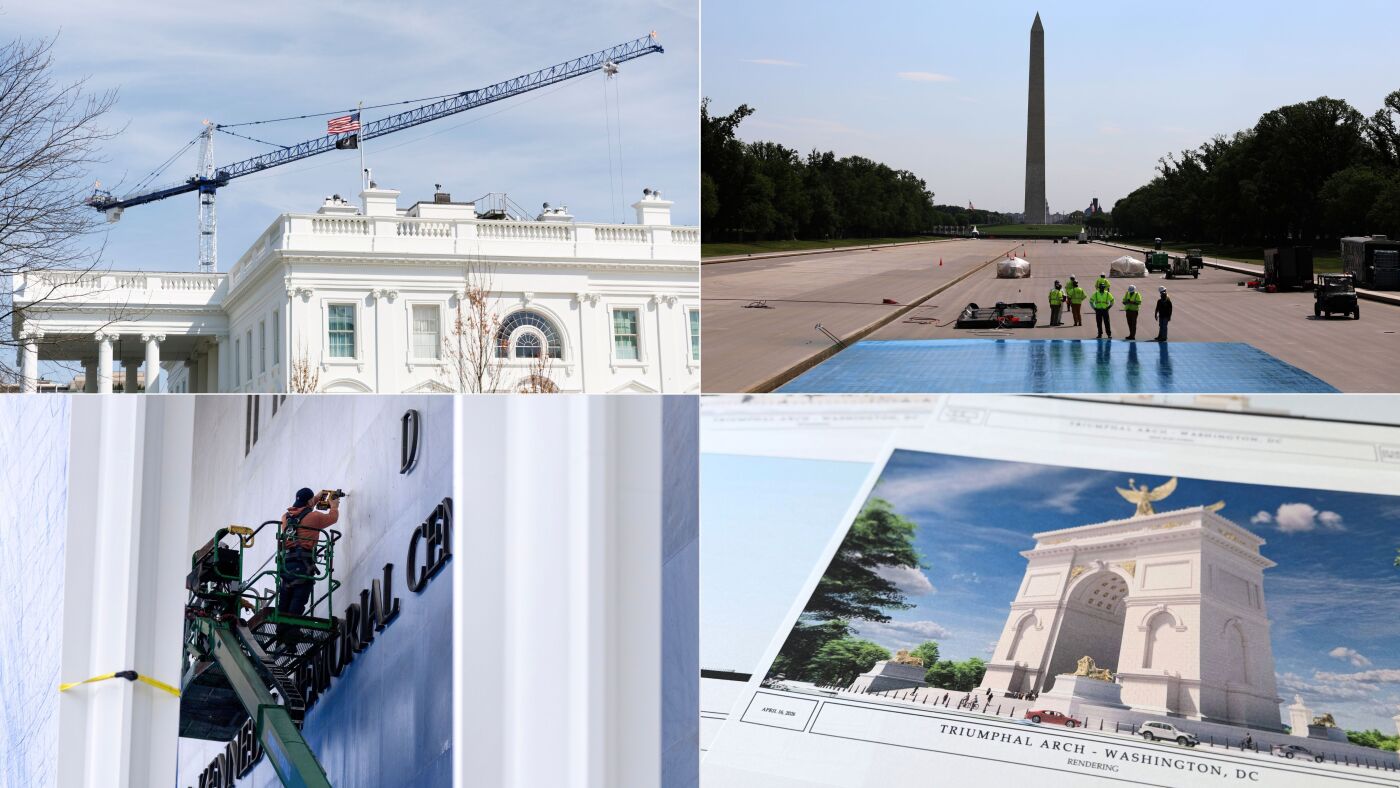
President Donald Trump is making a significant push to reshape the architectural landscape of Washington, D.C., embarking on a series of projects that span from the White House to various federal buildings across the capital. As a longtime real estate developer, Trump has expressed that he finds this endeavor both fulfilling and relaxing, stating, “I have two jobs… a construction job, which is really like relaxation for me because I have been doing it my entire life.” His vision includes not only aesthetic changes but also the inclusion of his name in prominent locations throughout the city.
Among the most notable projects is the resurfacing of the Lincoln Memorial Reflecting Pool, which Trump has described as being coated in a shade he calls “American flag blue.” This 2,030-foot-long pool has served as a backdrop for numerous historic events and last underwent significant renovations between 2010 and 2012. The Department of the Interior has indicated that the current renovation aims to address ongoing issues with the pool’s infrastructure, including costly refills due to improperly sized pipes installed during previous renovations.
In addition to the reflecting pool, Trump’s plans extend to the White House ballroom, renovations at the Kennedy Center, and the installation of a triumphal arch. Architectural historian Neil Flanagan notes that these changes are not merely cosmetic but could have lasting implications for the city’s identity. He points out that while Trump’s aesthetic ambitions may seem grand, they often prioritize his personal style and branding over a cohesive vision for the future of the capital. Flanagan remarked, “They all sort of declare the glory of America rather than actually building any kind of growth or future for America.”
Trump’s approach has drawn criticism for its lack of deference to existing architectural plans and expertise. Many of his initiatives coincide with the upcoming 250th anniversary of the United States, leading some to question whether these projects are meant to commemorate the nation’s history or to elevate Trump’s personal brand. As the president continues to push forward with these plans, the potential for backlash remains significant, particularly from those who argue that such changes do not align with the progressive vision many believe the capital should embody.
Legal challenges have already begun to emerge in response to Trump’s ambitious agenda. Despite the presence of federal planning agencies filled with administration allies that are moving these projects forward, there is skepticism about whether Congress will intervene. Flanagan suggests that with both chambers currently controlled by Republicans, the likelihood of legislative pushback is low. This political dynamic raises questions about the extent to which Trump’s vision for D.C. will be realized.
As Trump continues to assert his influence over the city’s landscape, the public response has been mixed. Some residents have expressed admiration for the renovations, while others see them as an overreach of presidential power, likening the treatment of the city to that of a personal property. Flanagan emphasizes that the president’s focus on grand monuments could detract from essential investments in areas like science and innovation, which are crucial for the country’s future.
With the completion of the reflecting pool project expected by the end of May, it remains to be seen how the broader implications of Trump’s renovations will unfold. As the capital prepares for the 250th anniversary, the intersection of Trump’s personal ambitions and the city’s historic fabric will continue to spark debate among residents and historians alike.
Source: NPR
Summary and Outlook
As this situation unfolds, the editorial desk at Quick Feed News will continue to track major announcements, market-moving signals, and regulatory reviews. For more related insights on technological developments and U.S. business headlines, keep exploring our homepage.
Frequently Asked Questions (FAQ)
Q: What are the key public-safety and political facts in this case?
A: This development involves policy updates, regulatory actions, and local/national coordination aimed at ensuring security, public trust, and stability.
Q: What actions are being taken by local or federal authorities?
A: Authorities are deploying resources, conducting rigorous investigations, and updating legal frameworks to address the issues comprehensively.
Q: How can citizens or local communities stay informed?
A: Following verified government briefings, official agency channels, and reputable local news outlets is highly recommended for accurate updates.




Leave a Reply