Key Highlights & Detailed Overview
As wildfires rage across the United States and drought conditions persist, experts are warning of an impending extreme fire season fueled by inadequate wildfire prevention efforts. Under the Trump administration, the U.S. Forest Service has significantly scaled back its work to manage flammable vegetation, a critical component in reducing the intensity of wildfires.
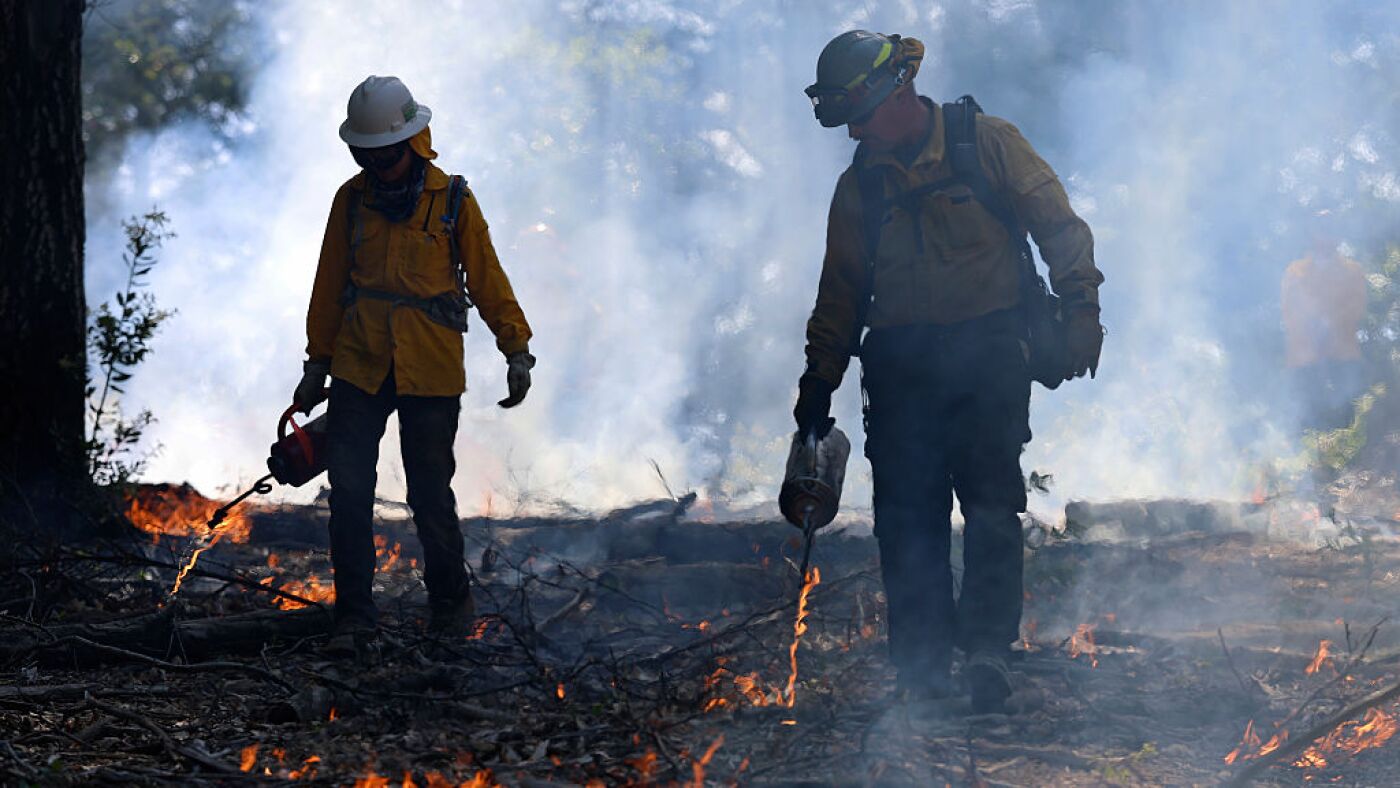
In 2025, the Forest Service reported a staggering reduction of almost 1.5 million acres of vegetation management compared to the previous year. This decline marks a sharp contrast to the more than 4 million acres treated for hazardous vegetation in the last year of the Biden administration. Notably, the most significant decrease was observed in prescribed burns—controlled, low-grade fires intentionally set to clear dense underbrush. In 2025, the agency conducted only about half the acreage of prescribed burns compared to the previous two years, according to an analysis by NPR and firefighting experts.
Despite the increasing frequency and severity of wildfires in recent years, many areas of North America are experiencing what experts describe as a “fire deficit.” Historically, many forests relied on low-intensity wildfires to maintain ecological balance, a practice that has diminished significantly since Native American tribes were displaced and the Forest Service adopted a policy of extinguishing all wildfires in the 1930s. As climate conditions have worsened, the accumulation of dense vegetation has exacerbated the risk of catastrophic fires.
The Forest Service attributed the drop in wildfire prevention efforts to a workforce that has been increasingly consumed by firefighting activities and unfavorable environmental conditions for prescribed burns, particularly in the Southeast. The agency has also seen a 16% workforce reduction, with nearly 5,900 personnel leaving in the first half of 2025 as part of broader efforts to shrink government size under the Trump administration. Senate Democrats have expressed concerns that these cuts have severely hindered the agency’s preparedness for wildfires.
Fire experts warn that the continued reduction in prescribed burns will lead to more extreme wildfire conditions. Matthew Hurteau, a forest ecologist at the University of New Mexico, emphasized the urgency of addressing the backlog of necessary forest management work. “The clock is ticking,” he stated, highlighting the limited time available to mitigate the risks associated with dense vegetation.
Hurteau’s experience in the Teakettle Experimental Forest in California’s Sierra Nevada underscores the consequences of delayed action. The forest, designated as a special research area by the Forest Service in the 1930s, had become increasingly dense due to the absence of major wildfires since 1865. Recognizing the heightened risk of a severe wildfire, Hurteau and colleagues initiated plans for a prescribed burn in 2020, backed by over $5 million in funding from California’s state fire agency, Cal Fire.
However, they encountered significant delays in securing the necessary environmental reviews, hampered by a lack of support from the Forest Service leadership. In August 2025, a lightning strike ignited the nearby Garnet Fire, which rapidly spread through the experimental forest, fueled by dry conditions and erratic winds. Hurteau lamented the loss of many old-growth trees during the blaze, stating, “The whole experimental forest burned in one day, and it burned quite hot.” The consequences of neglecting wildfire prevention measures are starkly evident in the aftermath of such disasters.
As the 2026 fire season approaches, experts and officials alike are left grappling with the implications of the Trump administration’s wildfire management policies. With a growing backlog of necessary vegetation management and an increasingly volatile climate, the stakes have never been higher for both ecosystems and communities at risk from catastrophic wildfires.
Source: NPR
Summary and Outlook
As this situation unfolds, the editorial desk at Quick Feed News will continue to track major announcements, market-moving signals, and regulatory reviews. For more related insights on technological developments and U.S. business headlines, keep exploring our homepage.
Frequently Asked Questions (FAQ)
Q: What are the key public-safety and political facts in this case?
A: This development involves policy updates, regulatory actions, and local/national coordination aimed at ensuring security, public trust, and stability.
Q: What actions are being taken by local or federal authorities?
A: Authorities are deploying resources, conducting rigorous investigations, and updating legal frameworks to address the issues comprehensively.
Q: How can citizens or local communities stay informed?
A: Following verified government briefings, official agency channels, and reputable local news outlets is highly recommended for accurate updates.



Leave a Reply