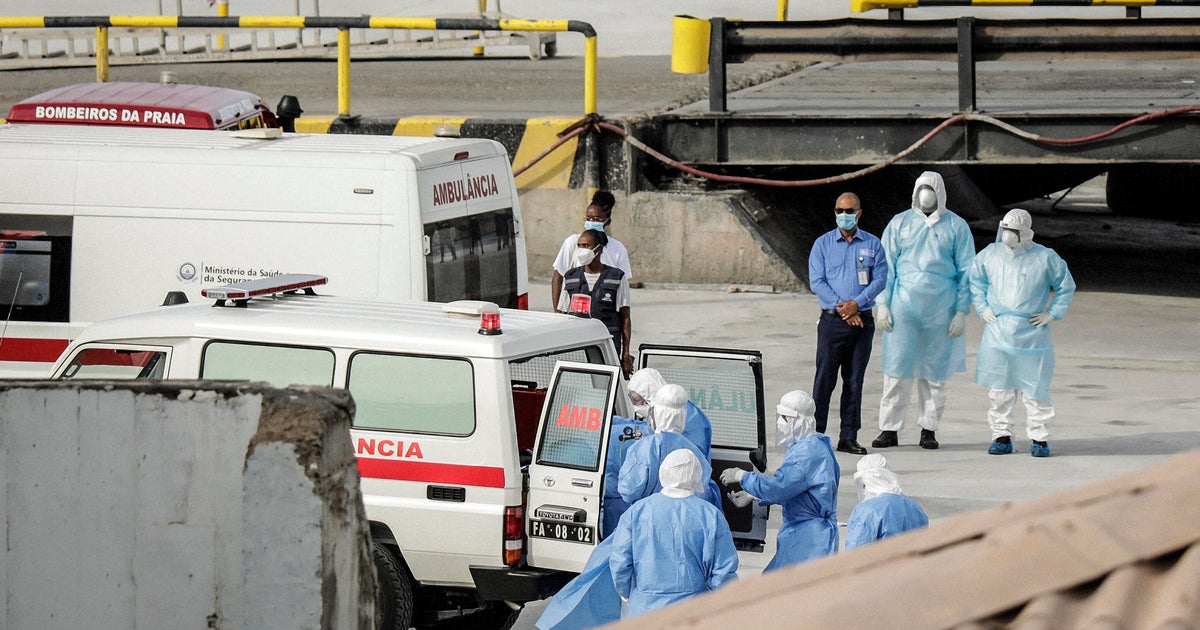
The monitoring of passengers who disembarked from the MV Hondius cruise ship is expanding globally, including in the United States, following the confirmation of hantavirus cases aboard the vessel. Health officials have identified that the strain present is a rare variant capable of human-to-human transmission, which has raised alarms across multiple countries.
According to the World Health Organization (WHO), twelve countries, including the United States, Canada, and several European nations, are now actively monitoring individuals who left the cruise ship before the outbreak was confirmed. This includes two residents in Georgia and one in Virginia, all of whom are reported to be in good health and showing no symptoms of the disease. California health officials have also indicated that an unspecified number of residents are under observation without any signs of illness.
The situation escalated when three passengers who had been on the cruise died, including a couple from the Netherlands and a woman from Germany. The Dutch man passed away on board the ship on April 11, but due to the similarity of his symptoms to other respiratory diseases, hantavirus was not initially suspected. His wife was among the 30 guests who disembarked on April 24 at Saint Helena, a remote island in the South Atlantic, and her health deteriorated during a flight to Johannesburg the following day, leading to her death in South Africa.
On April 27, a British man exhibiting symptoms was evacuated from the ship for medical care in South Africa. His case was confirmed as hantavirus on May 4, and he remains hospitalized but is reportedly improving. Subsequent testing confirmed that the Dutch woman’s blood also tested positive for hantavirus, prompting KLM airlines to notify passengers who had traveled with her.
The strain identified in these cases is the Andes strain, which is primarily found in Argentina and Chile. Unlike most hantavirus strains, the Andes strain can spread between humans, particularly among those in close contact. Dr. Tedros Adhanom Ghebreyesus, WHO’s director-general, emphasized the importance of monitoring close contacts, particularly among family members and caregivers, to prevent further transmission.
Despite the serious nature of the outbreak, experts indicate that the risk of a widespread pandemic remains low. Dr. Céline Gounder, a CBS News medical correspondent, reassured the public, stating that hantavirus does not spread in the same manner as more contagious viruses like influenza or COVID-19. However, the situation serves as a critical test for global health systems.
Two British passengers who returned to the U.K. are also being monitored, although they do not currently show symptoms. The U.K. Health Security Agency has advised them to self-isolate. Another individual who disembarked in Saint Helena tested positive for the Andes strain in Switzerland, adding to the growing list of confirmed cases.
In response to the outbreak, three individuals suspected of having hantavirus were airlifted from the ship, including Dutch and German passengers and a British crew member. The Dutch passenger and the crew member are stable in the Netherlands, while the German passenger returned home asymptomatic.
The MV Hondius, which had departed from Cape Verde, is currently navigating towards the Canary Islands. Local officials have expressed concerns about the ship docking at Tenerife, with the mayor of Granadilla de Abona calling for alternative arrangements for the passengers to ensure their health and safety. Canarias President Fernando Clavijo has stated that the ship will be allowed to anchor off the islands but not dock.
Argentina’s health ministry is also involved, offering assistance and resources to manage the outbreak, given that the Andes strain originated from that region. They have reported no associated cases of hantavirus within Argentina itself, emphasizing their collaboration with international health authorities to contain the outbreak.
Source: Source


Leave a Reply