Key Highlights & Detailed Overview
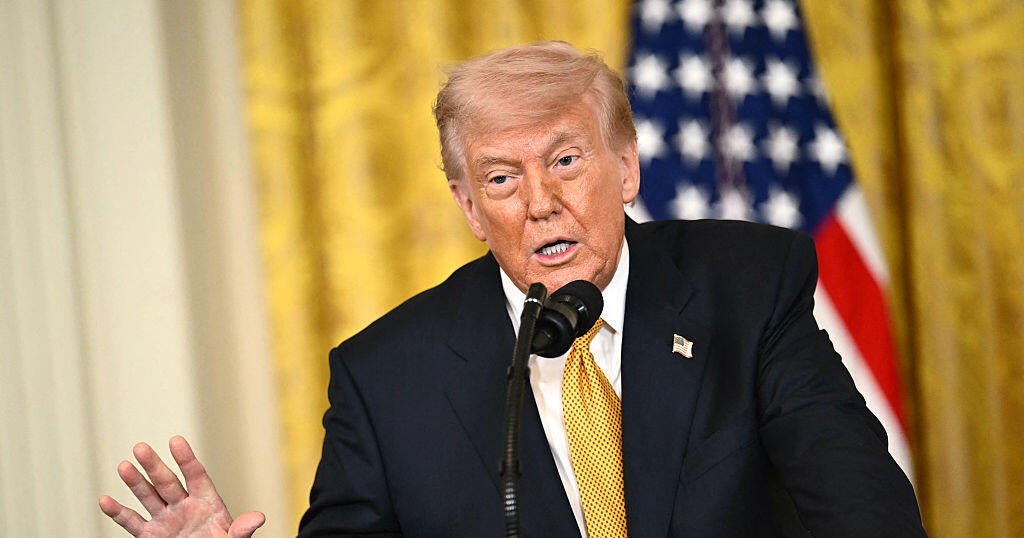
Congressional Democrats have initiated an investigation into the clemency actions taken by former President Donald Trump, focusing on whether these pardons and commutations were influenced by financial contributions or other forms of lobbying. The inquiry comes as lawmakers seek to determine if any recipients of executive clemency received favorable treatment through what they describe as “pay-to-play dynamics.” Letters detailing the investigation were sent to over a dozen individuals who benefitted from Trump’s clemency decisions.
Among those under scrutiny are notable figures such as Changpeng Zhao, the founder of cryptocurrency exchange Binance, who pleaded guilty to money laundering; Joseph Schwartz, a nursing home operator convicted of tax crimes; and Trevor Milton, the founder of the now-bankrupt automotive company Nikola, who was sentenced to four years in prison for misleading investors. The investigation aims to uncover the extent to which these individuals may have leveraged financial contributions or connections to secure their pardons.
California Congressmen Dave Min and Raul Ruiz, along with Vermont Senator Peter Welch, have expressed concern that Trump’s clemency actions are undermining justice for victims. In their letters, they argue that the pardons have deprived victims of restitution, citing that Trump’s clemency decisions eliminated hundreds of millions of dollars owed to crime victims. They contend that this practice deviates from the Supreme Court’s characterization of executive clemency as an act of grace intended for the public welfare.
The lawmakers have requested documentation from the pardon recipients, including contracts that detail payments made to lawyers, lobbyists, and other advocates who may have lobbied for their clemency. They are also seeking communications between these recipients and federal officials, as well as records of any donations made to Trump or affiliated organizations. The goal of this inquiry is to shed light on any potential corruption surrounding the clemency process.
Min emphasized the gravity of the situation, stating that failure to cooperate could result in further scrutiny and potential investigations into the recipients themselves. He highlighted the troubling notion that individuals can evade justice after being convicted, framing it as a significant issue within the current administration.
Despite being in the minority in both the House and Senate, Democrats are preparing for the possibility of gaining control in upcoming midterm elections, which would grant them subpoena power to compel documents related to the investigation. The clemency actions taken by Trump have garnered increased attention, particularly as they include pardons for several individuals closely connected to him or his campaign.
One of the most high-profile cases being examined is Zhao’s pardon, which was reportedly pushed by lobbyists with ties to Trump. The investigation has raised questions about the relationship between Binance and the Trump family’s business interests, particularly regarding a significant investment in a Trump-related cryptocurrency venture. Democrats have referenced public reporting that suggests Zhao and Binance played a crucial role in elevating the valuation of Trump’s crypto business.
In response to the investigation, the White House has denied any wrongdoing associated with the pardons. Press Secretary Karoline Leavitt stated that any lobbying efforts for clemency would be a waste of money, asserting that the administration follows a thorough pardon review process. Meanwhile, Goody Guillén, a lawyer involved in the clemency efforts, claimed there was no quid pro quo involved in the pardons being investigated.
Concerns surrounding Trump’s clemency decisions are not limited to Zhao. The investigation also includes other recipients such as Lawrence Duran, who had his Medicare fraud conviction commuted, wiping away $87 million in restitution owed to victims. Additionally, Milton’s pardon, which came after he and his wife donated at least $3 million to Trump’s campaign, has raised eyebrows. The White House has maintained that such donations did not influence the decision to grant clemency.
As the investigation unfolds, it highlights the complexities and potential ethical issues surrounding the use of presidential pardons. With Democrats pushing for accountability, the outcomes of this inquiry could have significant implications for the future of executive clemency and its oversight.
Source: CBS News
Summary and Outlook
As this situation unfolds, the editorial desk at Quick Feed News will continue to track major announcements, market-moving signals, and regulatory reviews. For more related insights on technological developments and U.S. business headlines, keep exploring our homepage.
Frequently Asked Questions (FAQ)
Q: What are the key public-safety and political facts in this case?
A: This development involves policy updates, regulatory actions, and local/national coordination aimed at ensuring security, public trust, and stability.
Q: What actions are being taken by local or federal authorities?
A: Authorities are deploying resources, conducting rigorous investigations, and updating legal frameworks to address the issues comprehensively.
Q: How can citizens or local communities stay informed?
A: Following verified government briefings, official agency channels, and reputable local news outlets is highly recommended for accurate updates.


Leave a Reply