Key Highlights & Detailed Overview
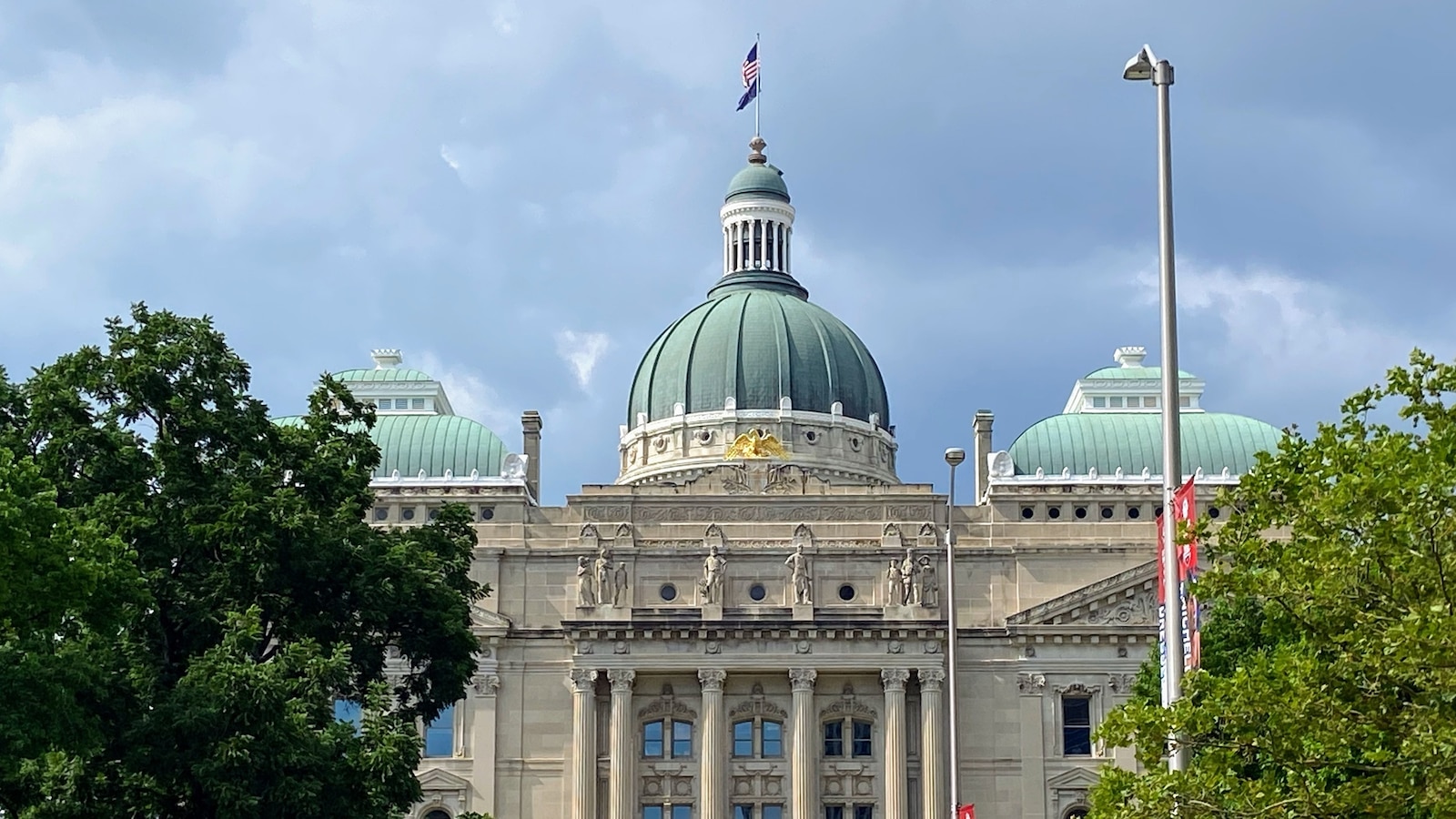
A series of state Senate primary races in Indiana have emerged as a crucial test of former President Donald Trump’s political influence, particularly in light of his endorsements of challengers against Republican incumbents who defied him on redistricting last year. On Tuesday, voters will head to the polls to decide the fates of several candidates in this politically charged environment.
In 2022, a significant number of Indiana lawmakers, including 21 Republicans and 10 Democrats, voted against a proposed redistricting plan that aimed to reshape the state’s congressional districts. This measure had been strongly supported by Trump and his administration, which viewed it as a means to bolster Republican chances in future elections by redrawing maps to favor GOP candidates. Following the vote, Trump publicly warned that those who opposed the redistricting could face formidable primary challengers in the upcoming elections.
“Anybody that votes against Redistricting, and the SUCCESS of the Republican Party in D.C., will be, I am sure, met with a MAGA Primary in the Spring,” Trump stated in a post prior to the vote, signaling his intent to hold those lawmakers accountable.
Staying true to his word, Trump has endorsed seven primary challengers to Republican state senators seeking reelection, all of whom opposed the redistricting plan. Additionally, he has backed one candidate vying for a seat currently held by a retiring anti-redistricting senator. This strategic move underscores Trump’s ongoing efforts to assert his influence within the GOP, particularly in states where he feels his agenda has been undermined.
Political analysts view these primaries as a potential barometer for Trump’s enduring sway over the party. Joshua Kaplan, a political science professor at the University of Notre Dame, noted that such races typically do not attract significant attention, but this year’s election is different. “People always look for signs in state and local elections, of, is this a sign of something bigger?” Kaplan remarked, highlighting the unusual scrutiny surrounding these primaries.
However, some candidates, like Spencer Deery, who is facing a Trump-endorsed challenger, argue that the election transcends Trump’s endorsement. Deery stated, “What this election is about is whether Indiana is going to have the freedom to elect our own leaders without the meddling of DC.” His comments reflect a broader sentiment among some voters who prioritize local governance over national political dynamics.
Among the challengers is Paula Copenhaver, the chair of the Fountain County Republican Party, who is contesting Deery’s seat. While her campaign has not provided comments to the media, her candidacy represents the kind of grassroots challenge that Trump’s endorsements have been known to inspire.
Interestingly, while Trump and his affiliated political group, MAGA Inc., have not directly funded these races, outside organizations such as Club for Growth and Turning Point have invested heavily in the primaries, which traditionally see lower financial engagement. The Club for Growth, a political action committee based in Washington D.C., is reportedly spending around $2 million on mailers and promotional efforts targeting primary challengers. David McIntosh, president of the group, explained their strategy, emphasizing the importance of building a robust political bench that aligns with voter preferences.
As the primary races unfold, the financial backing from these organizations and Trump’s endorsements could significantly influence the outcomes. With millions of dollars flowing into what are usually low-key contests, the stakes are higher than ever, and the results may provide a clearer picture of Trump’s influence within the Republican Party.
Looking ahead, the outcomes of these primaries will be closely watched, not just for their immediate implications for Indiana politics but also for what they may signal about the future direction of the Republican Party as it navigates the post-Trump landscape. As voters prepare to cast their ballots, the tension between local autonomy and national political pressures remains a defining theme in this election cycle.
Source: ABC News
Summary and Outlook
As this situation unfolds, the editorial desk at Quick Feed News will continue to track major announcements, market-moving signals, and regulatory reviews. For more related insights on technological developments and U.S. business headlines, keep exploring our homepage.
Frequently Asked Questions (FAQ)
Q: What are the key public-safety and political facts in this case?
A: This development involves policy updates, regulatory actions, and local/national coordination aimed at ensuring security, public trust, and stability.
Q: What actions are being taken by local or federal authorities?
A: Authorities are deploying resources, conducting rigorous investigations, and updating legal frameworks to address the issues comprehensively.
Q: How can citizens or local communities stay informed?
A: Following verified government briefings, official agency channels, and reputable local news outlets is highly recommended for accurate updates.




Leave a Reply