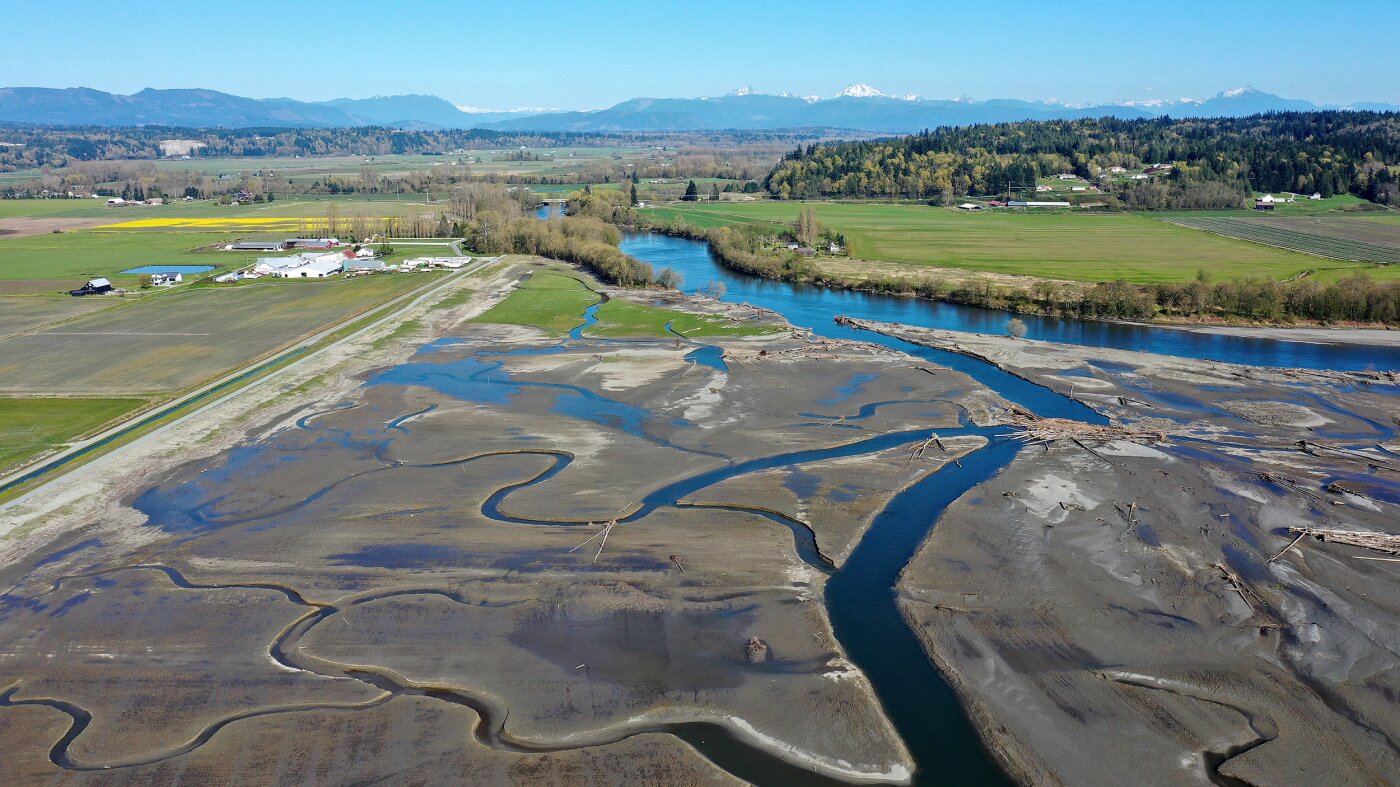
The Stillaguamish Tribe in Washington state is undertaking a significant environmental initiative by purchasing hundreds of acres of farmland to convert into wetlands. This ambitious project aims to restore crucial habitats for Chinook salmon, which have seen declining populations due to habitat loss and pollution.
By removing levees that have long confined river flows, the tribe is working to recreate natural wetland ecosystems. These areas not only provide essential spawning grounds for salmon but also improve water quality and biodiversity in the region. The initiative reflects a broader effort among Indigenous communities to reclaim and restore traditional lands, emphasizing ecological stewardship and sustainability.
The restoration of wetlands is particularly critical as Chinook salmon are integral to both the local ecosystem and the cultural heritage of the Stillaguamish Tribe. Increased flooding in these areas is expected to enhance fish habitats, which will benefit both fish populations and local fisheries in the long run.
As climate change and urban development continue to threaten natural habitats, the tribe’s proactive approach serves as a model for other Indigenous groups and conservationists aiming to reverse environmental degradation. The hope is that this project will not only bolster salmon populations but also foster a thriving ecosystem that benefits the entire community.
Source: NPR



Leave a Reply