Key Highlights & Detailed Overview
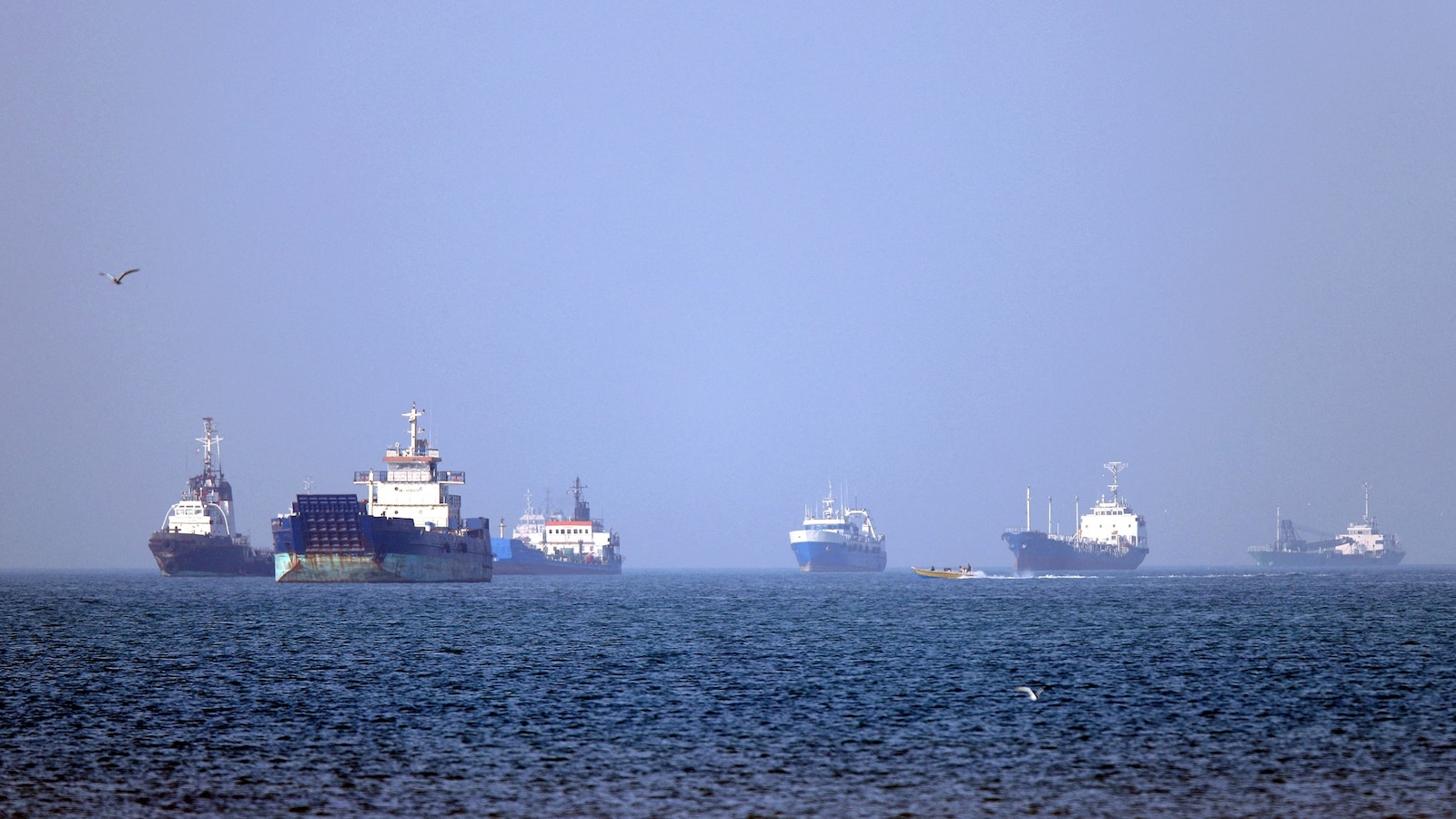
In a significant shift in U.S. military strategy regarding Iran, President Donald Trump announced on Tuesday that “Project Freedom,” an operation aimed at escorting ships through the Strait of Hormuz, will be paused temporarily. This decision comes as the administration seeks to explore the possibility of a diplomatic agreement with Iran. The announcement was made via Trump’s social media platform, where he cited the requests from Pakistan and other nations as influencing factors in the decision.
Trump’s post stated, “Based on the request of Pakistan and other Countries, the tremendous Military Success that we have had during the Campaign against the Country of Iran and, additionally, the fact that Great Progress has been made toward a Complete and Final Agreement with Representatives of Iran, we have mutually agreed that, while the Blockade will remain in full force and effect, Project Freedom will be paused for a short period of time to see whether or not the Agreement can be finalized and signed.” This pause indicates a potential shift towards a more diplomatic approach, following a series of military operations in the region.
Initially launched on Sunday, Project Freedom was designed to ensure safe passage for vessels navigating the critical waterway, which has been a flashpoint for tensions between the U.S. and Iran. The operation reportedly assisted two vessels through the Strait, underscoring the ongoing risks in the area. Just hours before the pause announcement, Secretary of State Marco Rubio had described Project Freedom as a new phase in the ongoing conflict, indicating that U.S. operations were transitioning from offensive to defensive.
Rubio elaborated on the change in military posture during a press conference, stating, “Operation Epic Fury is now over,” and emphasized that the U.S. would only respond to threats. He noted, “If they pose a threat to our forces, we’ll shoot down drones, we’ll shoot down missiles. But it’s defensive in nature. There’s no shooting unless we’re shot at first. We’re not attacking them.” This shift suggests a more restrained approach as the U.S. navigates the complex geopolitical landscape in the region.
In tandem with the operational changes, Rubio also announced a new draft resolution that the U.S. plans to introduce at the United Nations Security Council (UNSC). The resolution aims to “defend freedom of navigation” in the Strait of Hormuz and calls for Iran to cease hostile actions such as attacks and mining activities in the area. The resolution, co-authored by Bahrain, Saudi Arabia, the UAE, Kuwait, and Qatar, is expected to be voted on in the coming days.
The draft resolution demands that Iran disclose the number and location of sea mines it has deployed and cooperate with international efforts to remove them. This move indicates a concerted effort by the U.S. and its allies to address the maritime security challenges posed by Iran in the strategically vital Strait of Hormuz, through which a significant portion of the world’s oil supply passes.
Despite the pause of Project Freedom, the U.S. blockade against Iran remains intact, suggesting that while diplomatic avenues are being explored, military readiness continues to be a priority. The administration’s focus on international cooperation highlights the complexities of achieving a peaceful resolution in a region fraught with tension.
What remains unclear is the extent of progress made in the negotiations with Iran and whether the pause in military operations will lead to a lasting agreement. As the situation develops, the international community will be closely watching the actions of both the U.S. and Iran regarding maritime security and regional stability.
As the U.S. seeks to balance military readiness with diplomatic efforts, the unfolding events in the Strait of Hormuz could have significant implications for global trade and security in the coming weeks.
Source: ABC News
Summary and Outlook
As this situation unfolds, the editorial desk at Quick Feed News will continue to track major announcements, market-moving signals, and regulatory reviews. For more related insights on technological developments and U.S. business headlines, keep exploring our homepage.
Frequently Asked Questions (FAQ)
Q: What is the main technological breakthrough discussed in this article?
A: This development represents a significant step in autonomous AI scaling, enterprise integrations, and high-performance computing capabilities designed to streamline business workflows.
Q: How does this impact regular users and developers?
A: It lowers the barrier to deploying advanced AI systems locally, though it raises questions regarding hardware requirements, API costs, and data governance policies.
Q: What are the security or privacy implications?
A: As AI models integrate deeper into workflows, securing proprietary data and protecting against supply-chain risks remains a top priority for IT executives.



Leave a Reply