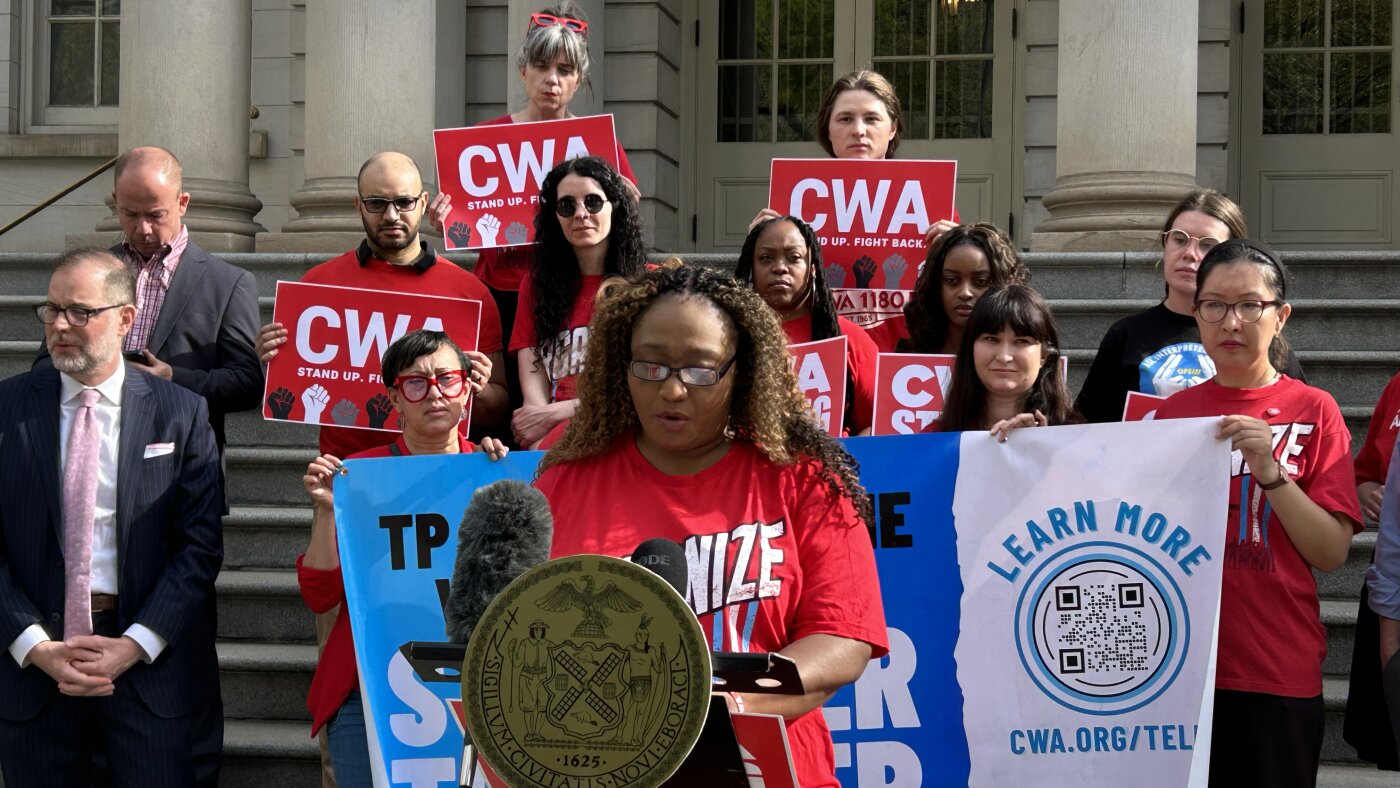
Hourly workers in various industries are facing unprecedented challenges as employers increasingly rely on algorithms to dictate work schedules and cut costs. This reliance on software has led to unpredictable hours and significant reductions in pay, causing financial strain for many workers who depend on stable incomes.
One notable example involves employees at LanguageLine Solutions, where algorithmic scheduling has severely impacted workers’ ability to plan their lives. These changes have not only affected their financial security but have also sparked discussions about the need for unions to protect workers’ rights in an era of increasing reliance on technology.
The trend highlights a broader issue affecting millions of hourly workers across the U.S., including those in retail, food service, and customer support sectors. As companies utilize sophisticated software to optimize labor productivity, the human element of scheduling and pay is often lost, leaving workers vulnerable to erratic hours that disrupt their livelihoods.
With labor advocates pushing for reforms, the situation raises critical questions about the future of work and the balance between efficiency and employee welfare. As more workers contemplate unionization to combat these challenges, the dialogue around fair labor practices continues to evolve, reflecting a growing awareness of the need for protections in a tech-driven workplace.
Source: NPR




Leave a Reply