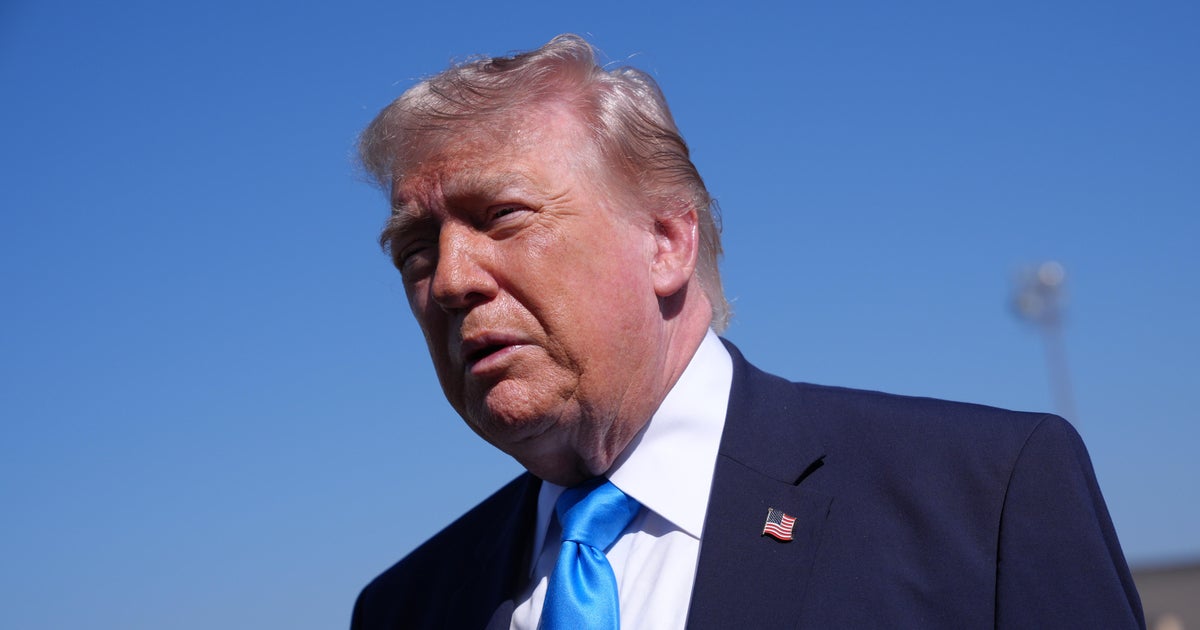
In a recent statement, former President Donald Trump indicated that Israeli Prime Minister Benjamin Netanyahu would comply with his directives regarding Iran, asserting, “he will do whatever I want him to do.” This remark comes amid escalating tensions in the region and potential military actions involving Iran. Trump’s comments were made after he revealed he had been on the verge of ordering new strikes against Iran before being persuaded to hold off by Persian Gulf allies who cited progress in peace negotiations.
The geopolitical stakes surrounding Iran have intensified, particularly following Trump’s announcement that the U.S. is in the “final stages of Iran” negotiations. This statement has significant implications for both regional stability and global oil markets. Following Trump’s remarks, international benchmark Brent crude oil prices fell by over 5%, reflecting market reactions to the heightened tensions and uncertainty regarding U.S.-Iran relations.
Oil Market Reactions to U.S.-Iran Tensions
The drop in oil prices was notable, with Brent North Sea crude plummeting by 5.2% to $105.47 a barrel, while the U.S. West Texas Intermediate contract decreased by 5.0% to $98.94 a barrel. The fluctuations in oil prices underscore the interconnectedness of geopolitical events and global markets, particularly in the energy sector, which is heavily influenced by developments in the Middle East.
Trump’s Mixed Messages on Iran
During his remarks, Trump expressed a dual approach to the situation, stating, “We’ll either have a deal or we’re going to do some things that are a little bit nasty, but hopefully that won’t happen.” This ambiguous stance leaves room for various interpretations regarding U.S. foreign policy and military intentions in the region. The lack of clarity in Trump’s statements raises questions about the administration’s strategy and potential consequences for U.S.-Iran relations.
Iran’s Internal Struggles Amid External Pressures
As tensions rise externally, Iran faces significant internal challenges. The Iranian judiciary confirmed the detention of Mohammad Rashid Mazaheri, a former goalkeeper for the national soccer team, who was arrested after criticizing the leadership. His wife reported that he is being held in harsh solitary confinement, highlighting the oppressive political climate in Iran. This incident reflects broader societal issues within Iran, where dissent is met with severe repercussions.
Warnings from Iranian Leadership
In response to the escalating military threats, Iranian parliament speaker Mohammad Bagher Qalibaf issued a warning about potential new attacks, emphasizing that Iran is engaged in a “war of wills.” He called for increased military readiness and economic resilience, suggesting that Iran must prepare for possible confrontations while also addressing internal economic challenges. Qalibaf’s statements indicate a determination to bolster national defense in light of perceived external threats.
Conclusion: A Critical Juncture for U.S.-Iran Relations
The current situation represents a critical juncture for U.S.-Iran relations, with potential military actions looming and significant implications for regional stability and global oil markets. As Trump continues to assert influence over Israeli actions regarding Iran, the international community watches closely for developments that could shape the future of diplomatic and military engagements in the region.
Frequently Asked Questions
What did Trump say about Netanyahu’s actions regarding Iran?
Trump claimed that Netanyahu would comply with his directives concerning Iran, stating he would do “whatever I want him to do.”
How did the oil market react to Trump’s comments?
Following Trump’s remarks, oil prices fell significantly, with Brent crude dropping by over 5% and West Texas Intermediate decreasing by 5% as well.
What is the current situation regarding Iran’s internal dissent?
Iran has detained a former national soccer goalkeeper, Mohammad Rashid Mazaheri, for criticizing the leadership, highlighting ongoing repression of dissent within the country.
What warnings have Iranian leaders issued recently?
Iranian parliament speaker Qalibaf warned of potential new attacks and emphasized the need for military readiness and economic resilience in the face of external pressures.
What are the implications of Trump’s statements on U.S.-Iran relations?
Trump’s ambiguous statements regarding military action and negotiations with Iran create uncertainty about U.S. foreign policy and potential military engagements in the region.
Source: Source
Leave a Reply