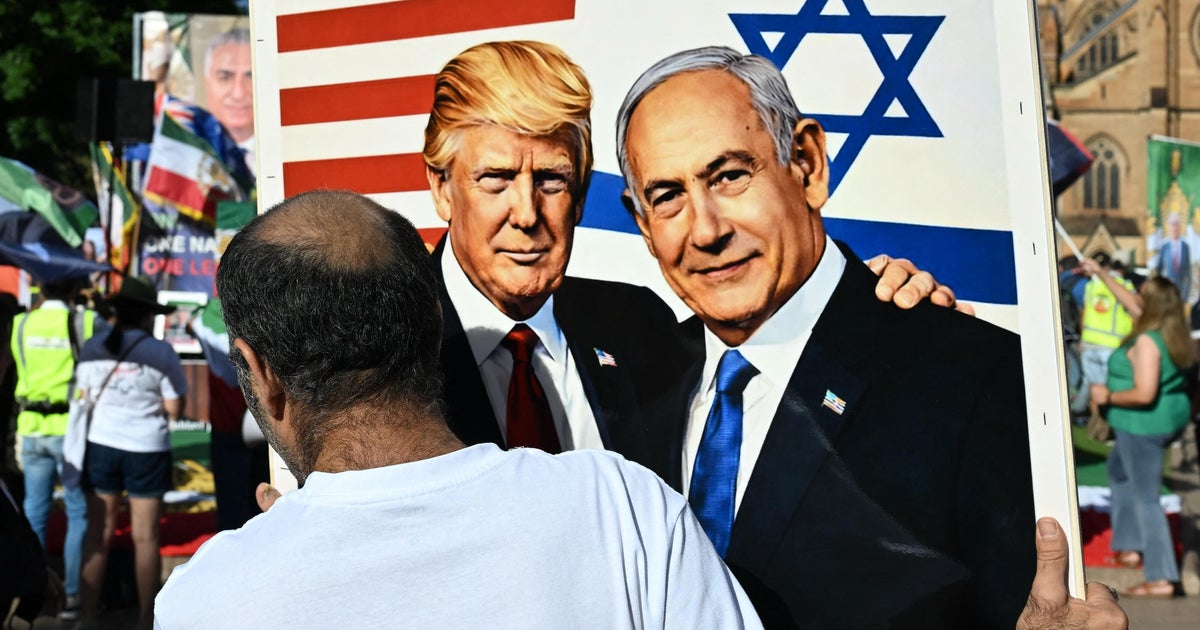
The ongoing Iran war has led to significant tensions between U.S. President Donald Trump and Israeli Prime Minister Benjamin Netanyahu, reshaping their previously strong alliance. As the conflict escalated, Trump’s patience with Netanyahu appeared to wane, particularly following an Israeli airstrike in Beirut that coincided with a critical moment in U.S.-Iran negotiations. This shift in dynamics has implications for both leaders as they navigate domestic pressures and international expectations.
On a day marked by Trump’s 80th birthday, the U.S. was poised to announce a ceasefire agreement with Iran, a move aimed at stabilizing the Strait of Hormuz and addressing rising global oil prices. However, the Israeli strike on Beirut, which resulted in civilian casualties, prompted a furious response from Trump. Reports indicate that he confronted Netanyahu over the attack, expressing frustration over its timing and implications for U.S. diplomatic efforts.
Background of U.S.-Israel Relations
Historically, the relationship between Trump and Netanyahu has been characterized by mutual support, particularly during Trump’s first term. Netanyahu praised Trump for significant policy shifts, including the relocation of the U.S. Embassy to Jerusalem and the withdrawal from the Iran nuclear deal. These actions solidified Trump’s reputation as a strong ally for Israel, leading to a close partnership.
However, the onset of the Iran war in February 2025 marked a turning point. Initially, the two leaders seemed aligned in their military objectives against Iran, but as the conflict dragged on, differing priorities began to emerge. Trump had campaigned on ending prolonged military engagements, while Netanyahu remained committed to a more aggressive stance against Iran, viewing it as a critical threat to Israel’s national security.
Escalating Tensions Over Military Strategy
As the war progressed, instances of discord became apparent. Trump’s frustration with Netanyahu grew, especially following Israeli military actions that contradicted U.S. strategic interests. For example, an Israeli strike on Iran’s South Pars gas field led to soaring energy prices, prompting Trump to publicly admonish Netanyahu. He suggested that such actions could jeopardize U.S. efforts to negotiate a ceasefire with Iran.
Netanyahu, facing his own political challenges, including an upcoming election and a corruption trial, found himself in a precarious position. His commitment to a military solution against Iran clashed with Trump’s desire to de-escalate tensions and focus on domestic issues. Analysts suggest that Netanyahu’s political survival may depend on maintaining a hardline approach, complicating his relationship with Trump.
Impact of Domestic Pressures
Both leaders are navigating complex domestic landscapes that influence their foreign policy decisions. Trump is contending with declining public support for the war, particularly as midterm elections approach. His administration’s focus on reopening the Strait of Hormuz is partly driven by the need to address rising gas prices and public sentiment against prolonged military involvement.
On the other hand, Netanyahu faces intense scrutiny from the Israeli public, who largely support continued military action against Hezbollah and Iran. His inability to secure a decisive victory could weaken his position ahead of elections, making it politically risky for him to agree to a ceasefire that might be perceived as a capitulation.
Future of U.S.-Israel Relations
The current rift between Trump and Netanyahu raises questions about the future of U.S.-Israel relations. As both leaders prioritize their political survival, the alignment of their strategies may become increasingly tenuous. Trump’s recent public criticisms of Netanyahu are unprecedented and indicate a significant shift in their relationship.
While Trump has asserted that he calls the shots in the partnership, Netanyahu’s actions suggest a determination to pursue his agenda, regardless of U.S. preferences. This divergence could lead to a reevaluation of the longstanding alliance, especially if diplomatic negotiations with Iran falter due to continued Israeli military actions.
Conclusion
The Iran war has not only tested the limits of U.S.-Israel cooperation but has also exposed the fragility of the personal relationship between Trump and Netanyahu. As both leaders grapple with their respective challenges, the implications for regional stability and international relations remain significant. Observers will be closely monitoring how this evolving dynamic influences future policies and alliances.
Frequently Asked Questions
What sparked the recent tensions between Trump and Netanyahu?
The tensions arose from an Israeli airstrike in Beirut that occurred just before a planned U.S.-Iran ceasefire announcement, leading to a heated exchange between the two leaders.
How has the Iran war affected U.S.-Israel relations?
The Iran war has strained relations as Trump seeks to de-escalate military involvement while Netanyahu remains committed to aggressive actions against Iran and its allies.
What are the domestic pressures faced by Trump and Netanyahu?
Trump faces declining public support for the war as midterms approach, while Netanyahu is under pressure to deliver military success ahead of upcoming elections.
What could be the long-term implications of this rift?
The rift could lead to a reevaluation of U.S.-Israel relations, particularly if Netanyahu’s actions continue to conflict with U.S. diplomatic efforts.
How did their relationship change over time?
Initially characterized by strong cooperation, their relationship has soured due to differing military strategies and public criticisms, especially during the Iran war.
For more updates, visit QuickFeedNews.
Source: CBS News



Leave a Reply