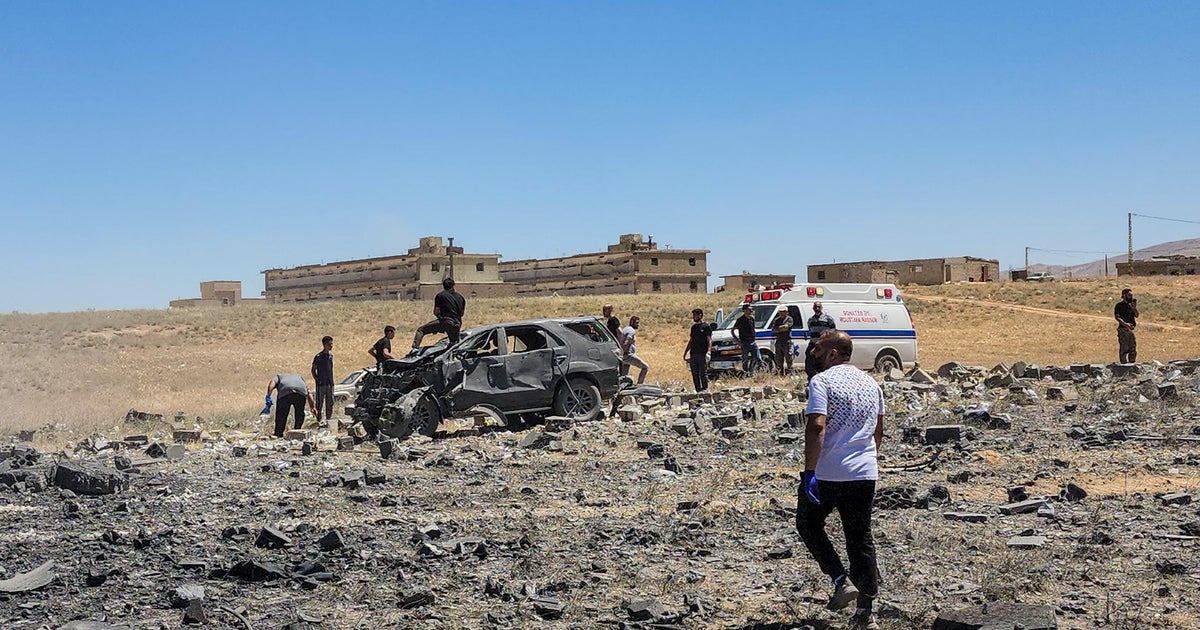
In a significant development amidst ongoing tensions in the Middle East, Israel and Hezbollah have reportedly reached a ceasefire agreement. This decision comes on the heels of escalating violence that has not only affected the Lebanese populace but also complicated international diplomatic efforts, particularly those involving the U.S. and Iran.
The ceasefire agreement was reached after a series of Israeli airstrikes on Beirut that resulted in numerous casualties, including at least 47 fatalities and nearly 100 injuries, according to the Lebanese health ministry. The strikes occurred just hours before a planned announcement regarding a peace deal between the U.S. and Iran, which aimed to extend a ceasefire and facilitate the reopening of the vital Strait of Hormuz.
Casualties and Immediate Response
The airstrikes on Beirut, which killed at least three individuals, were widely condemned and deemed unnecessary, especially given the diplomatic efforts underway. President Trump expressed his discontent over the timing of the attacks, emphasizing the importance of maintaining peace as negotiations progressed. Following these events, Israeli Prime Minister Benjamin Netanyahu was reportedly engaged in a direct conversation with Trump, indicating the seriousness of the situation.
Impact on U.S.-Iran Negotiations
The violence in Lebanon has delayed the progression of U.S.-Iran negotiations, which were initially set to take place in Switzerland. The Iranian Foreign Ministry has indicated that talks will continue once the conditions for negotiation are deemed appropriate, suggesting that the recent ceasefire may play a role in facilitating these discussions. Mediators from various countries, including Pakistan, Saudi Arabia, and Turkey, are expected to gather soon to discuss regional stability and security in light of these developments.
Broader Implications for Regional Security
The ceasefire between Israel and Hezbollah is not just a local issue; it has broader implications for regional security and international relations. The ongoing conflict has drawn in multiple stakeholders, and the involvement of major powers like the U.S. and Iran highlights the interconnected nature of these geopolitical dynamics. The ceasefire could potentially pave the way for more comprehensive discussions regarding peace and security in the region.
Next Steps in Diplomatic Efforts
As the ceasefire takes effect, the focus will shift to the next steps in the U.S.-Iran negotiations. The signing of a memorandum of understanding (MOU) between the U.S. and Iran has been a crucial milestone, but the actual implementation of this agreement remains to be seen. The upcoming meetings in Cairo involving foreign ministers from Pakistan, Saudi Arabia, Turkey, and Egypt will likely address these ongoing tensions and seek to establish a framework for further negotiations.
Conclusion
The recent ceasefire between Israel and Hezbollah marks a critical juncture in a complex and volatile situation. While it provides a temporary halt to hostilities, the long-term implications for peace in the region and the success of U.S.-Iran negotiations remain uncertain. Continued diplomatic engagement will be essential to ensure stability and prevent further escalation.
Frequently Asked Questions
What led to the ceasefire between Israel and Hezbollah?
The ceasefire was reached following a series of violent airstrikes by Israel on Beirut, which resulted in significant casualties and complicated ongoing U.S.-Iran negotiations.
How many casualties were reported from the recent airstrikes?
According to the Lebanese health ministry, the Israeli airstrikes resulted in at least 47 deaths and approximately 97 injuries.
What are the implications of the ceasefire for U.S.-Iran talks?
The ceasefire may facilitate further negotiations between the U.S. and Iran, which have been delayed due to the recent violence. Mediators are expected to discuss regional stability in upcoming meetings.
What is the significance of the Strait of Hormuz in this context?
The Strait of Hormuz is a vital waterway for global oil shipments, and tensions in the region can have significant implications for international trade and security.
What will happen next in the diplomatic efforts?
Upcoming meetings among foreign ministers from various countries are expected to focus on addressing regional tensions and establishing a framework for further negotiations regarding peace and security.
Source: Source




Leave a Reply