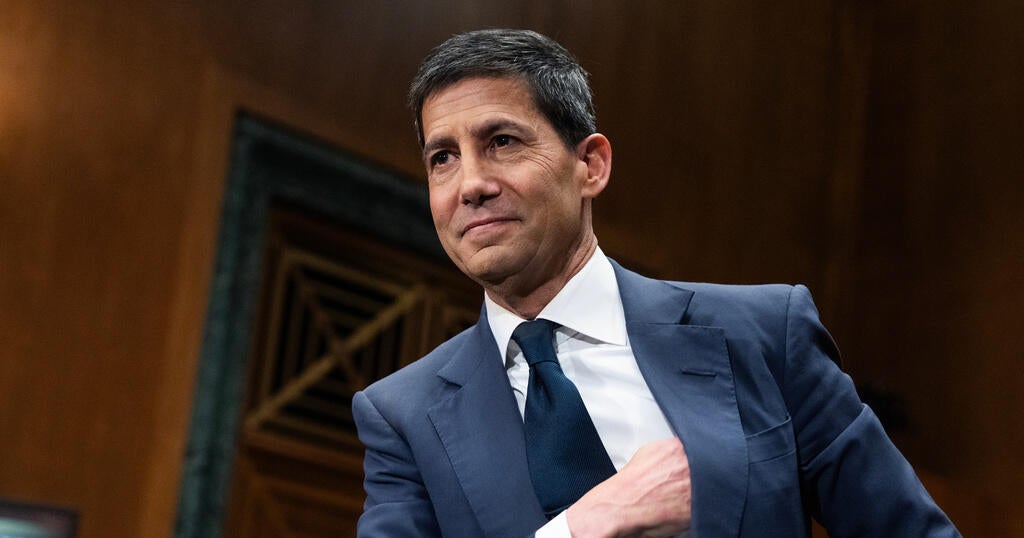
The Federal Reserve has officially welcomed Kevin Warsh as its new chair, a position that traditionally holds significant sway over the nation’s monetary policy. Warsh, appointed by President Trump, was sworn in following Senate confirmation and has pledged to act with “independence and resolve.” However, his actual influence over interest rates may be more limited than it appears, as he must navigate a complex landscape of committee dynamics and economic uncertainties.
Warsh takes the helm at a time when the Fed faces mounting pressures to adjust interest rates in response to inflation and geopolitical tensions, notably concerns surrounding the Iran conflict. While the president has openly advocated for lower interest rates, Warsh has indicated he will not base policy decisions solely on Trump’s views. His upcoming participation in the Federal Open Market Committee (FOMC) meeting next month will provide a clearer picture of his approach to interest rates.
Understanding the Federal Open Market Committee’s Structure
The FOMC is responsible for setting interest rate targets, but it operates as a collective body rather than under the direction of the chair alone. The committee consists of 12 members, with the chair holding just one vote. Currently, the committee includes three members appointed by Trump, three by Biden, and one by Obama, illustrating the limited direct influence any single administration has over the Fed’s composition.
While Warsh’s appointment adds to the number of Trump appointees, the reality is that the FOMC’s decision-making power is distributed among its members. This structure necessitates that Warsh build consensus among a diverse group of governors and regional Fed presidents, many of whom may not align with his or the president’s views.
The Role of Soft Power in the Fed Chair’s Influence
Former Fed officials emphasize that the chair’s influence extends beyond their formal voting power. Over time, a chair can cultivate “soft power”—a form of influence built on credibility and past decision-making success. Bill English, a former senior Fed staff member, notes that if a chair has a history of sound decisions, committee members may be more inclined to support their recommendations.
Additionally, the chair plays a crucial role in shaping discussions within the FOMC. They often initiate conversations with committee members leading up to meetings, gauging where consensus might lie. This collaborative approach is vital, as a united front can significantly affect market perceptions and reactions.
Challenges Ahead: Navigating Consensus and Dissent
Warsh’s initial meetings will likely be marked by the need for consensus-building. Historically, the FOMC has favored near-unanimous decisions, but recent meetings have seen dissenting opinions from Trump-appointed members advocating for lower rates. Such divisions can complicate the chair’s efforts to present a cohesive strategy to the market.
Moreover, Warsh will face the unique challenge of working alongside his predecessor, Jerome Powell, who remains on the board following a contentious investigation. Powell’s ongoing presence may influence committee dynamics, as he continues to participate in discussions despite stepping down as chair.
The Economic Landscape: Inflation and Global Tensions
The economic environment Warsh inherits is fraught with uncertainty. Inflation remains a persistent issue, and external factors, such as geopolitical tensions, further complicate the Fed’s decision-making process. Analysts predict that interest rates are likely to remain steady in the short term, but Warsh’s stance on potential rate cuts will be closely scrutinized during his first FOMC meeting.
As Warsh prepares to lead the committee, his ability to navigate these complexities will be crucial. The Fed’s decisions not only impact the U.S. economy but also have global repercussions, making the stakes particularly high for his leadership.
Conclusion: The Path Forward for Warsh and the Fed
Kevin Warsh’s tenure as Fed Chair is set against a backdrop of economic challenges and political pressures. While he has expressed a commitment to independent decision-making, the realities of the FOMC’s collaborative nature will require him to engage effectively with his colleagues to shape monetary policy. As he approaches his first meeting, the financial community will be watching closely to see how he balances these demands and what direction he sets for the Fed.
Frequently Asked Questions
What is Kevin Warsh’s background prior to becoming Fed Chair?
Kevin Warsh previously served as a member of the Fed’s Board of Governors and has a background in economics and finance, including experience in both government and private sectors.
How does the Federal Open Market Committee make decisions?
The FOMC meets regularly to discuss economic conditions and set interest rate targets, requiring consensus among its members, which include the Fed Chair and regional presidents.
What challenges does Warsh face as the new Fed Chair?
Warsh must navigate a divided committee, ongoing inflation concerns, and external geopolitical pressures while striving to maintain the Fed’s independence.
What is the significance of Warsh’s appointment?
His appointment signals potential shifts in monetary policy direction, particularly regarding interest rates, amidst a challenging economic landscape.
Will Warsh’s decisions be influenced by President Trump?
While Warsh has stated he will act independently, the political context and existing pressures from the administration may still play a role in his decision-making process.
Source: CBS News

Leave a Reply