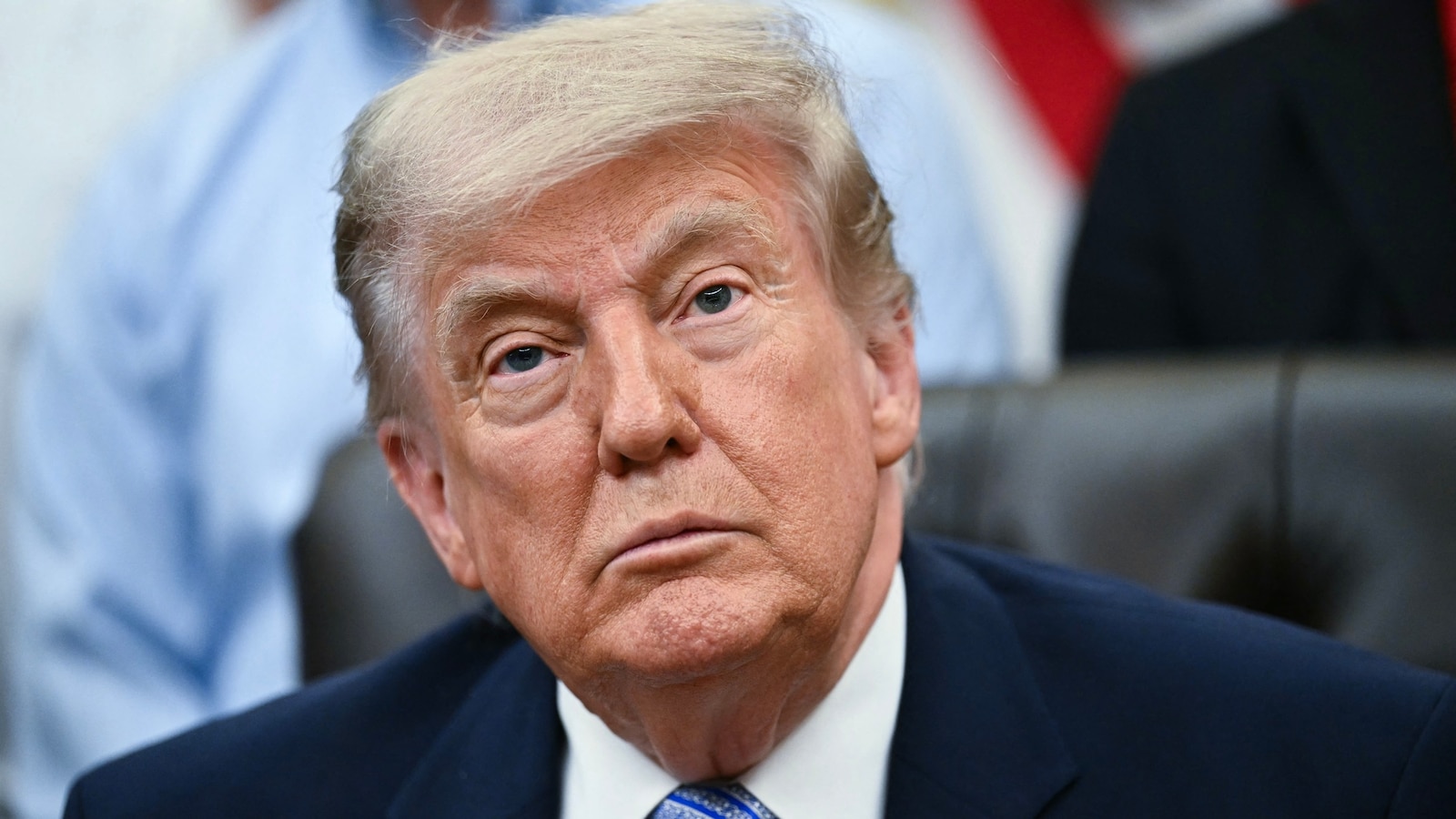
Former President Donald Trump’s initiative to establish an “Anti-Weaponization Fund” aimed at compensating individuals who claim to have been targeted by the Biden administration is now embroiled in legal disputes, with three federal lawsuits filed against it. This fund, which is reportedly set at $1.8 billion, has ignited significant controversy and bipartisan criticism, raising questions about its legality and the implications of using federal funds for such a purpose.
The lawsuits argue that the fund, which is designed to provide financial support to those alleging wrongful targeting by the government, lacks congressional authorization and violates constitutional provisions. Critics, including a nonprofit watchdog group, Citizens for Responsibility and Ethics in Washington (CREW), have characterized the fund as a serious breach of presidential ethics and an attempt at self-dealing.
Overview of the Lawsuits
The CREW lawsuit, filed recently, seeks to halt the fund’s creation, asserting that it is an act of “presidential corruption” and that it bypasses the legislative authority granted to Congress over federal spending. The suit emphasizes the alleged secrecy surrounding the fund, claiming it defies federal laws regarding records preservation and access.
In addition to the CREW lawsuit, a coalition comprising former law enforcement officials and various nonprofits has filed a separate complaint in the Eastern District of Virginia. This complaint echoes concerns regarding the fund’s constitutionality, particularly its alleged violation of the 14th Amendment, which prohibits the use of federal funds in support of insurrection.
Background and Context of the Fund
The “Anti-Weaponization Fund” was initiated as part of a settlement agreement between Trump and the Department of Justice (DOJ), which also included the dropping of Trump’s $10 billion lawsuit against the IRS and other civil claims. The fund is intended to compensate individuals who claim to have been wrongfully targeted by the Biden administration, including those involved in the January 6 Capitol riot.
Critics have raised alarms about the potential use of taxpayer money to support individuals linked to the Capitol attack, further complicating the fund’s legitimacy. Trump has publicly defended the fund, stating that he is forgoing substantial financial settlements to support those he believes have been wronged by the government. He described the fund as a means of providing justice to those he claims have been abused by a “weaponized” administration.
Legal Implications and Concerns
The lawsuits not only challenge the fund’s legality but also question the authority under which it was established. Legal experts have noted that the plaintiffs, including Capitol Police officers who defended the Capitol during the January 6 attack, may face difficulties in proving their legal standing. The argument hinges on whether these individuals can demonstrate direct harm from the fund’s creation.
James Sample, a legal contributor for ABC News, indicated that while the officers have faced significant threats and harassment, establishing a direct injury related to the fund may prove challenging. This raises questions about the broader implications for accountability and transparency in government funding decisions.
Future of the Anti-Weaponization Fund
The establishment of the fund is set to proceed under the oversight of Acting Attorney General Todd Blanche, who is tasked with appointing a five-member commission to manage claims. As the lawsuits unfold, the future of the fund remains uncertain, with potential ramifications for how federal funds are appropriated and utilized in politically sensitive contexts.
As the legal battles continue, the situation highlights ongoing tensions surrounding the use of government resources in politically charged environments, particularly in the aftermath of the January 6 Capitol riots. The outcomes of these lawsuits could set significant precedents regarding executive power and congressional authority over federal spending.
Conclusion
The legal challenges facing Trump’s “Anti-Weaponization Fund” underscore deep divisions in American politics and the complexities of navigating federal funding in the wake of contentious political events. As the situation develops, it remains to be seen how these lawsuits will impact the fund’s establishment and the broader discourse surrounding government accountability.
Frequently Asked Questions
What is the Anti-Weaponization Fund?
The Anti-Weaponization Fund is a proposed compensation fund initiated by Donald Trump for individuals who claim to have been targeted by the Biden administration.
Why are there lawsuits against the fund?
Multiple lawsuits argue that the fund lacks congressional authorization, violates constitutional provisions, and represents a misuse of federal funds.
Who is involved in the lawsuits?
The lawsuits involve a coalition of nonprofits, former federal prosecutors, and law enforcement officers who defended the Capitol during the January 6 attack.
What are the potential implications of these lawsuits?
The lawsuits could set precedents for the authority of Congress over federal spending and the accountability of executive actions related to funding.
How does Trump defend the fund?
Trump claims the fund is necessary to provide justice for individuals he believes have been wronged by the Biden administration, asserting he is sacrificing personal financial settlements for this cause.
Source: Source


Leave a Reply