Top Democrats are calling for accountability from Treasury Secretary Scott Bessent and IRS CEO Frank Bisignano regarding a recent settlement between former President Donald Trump and the IRS. This settlement has resulted in the establishment of a nearly $1.8 billion “Anti-Weaponization Fund,” which aims to compensate individuals who claim they were unjustly targeted under the Biden administration. The demand for answers comes amid bipartisan concerns about the implications of this fund and its management.
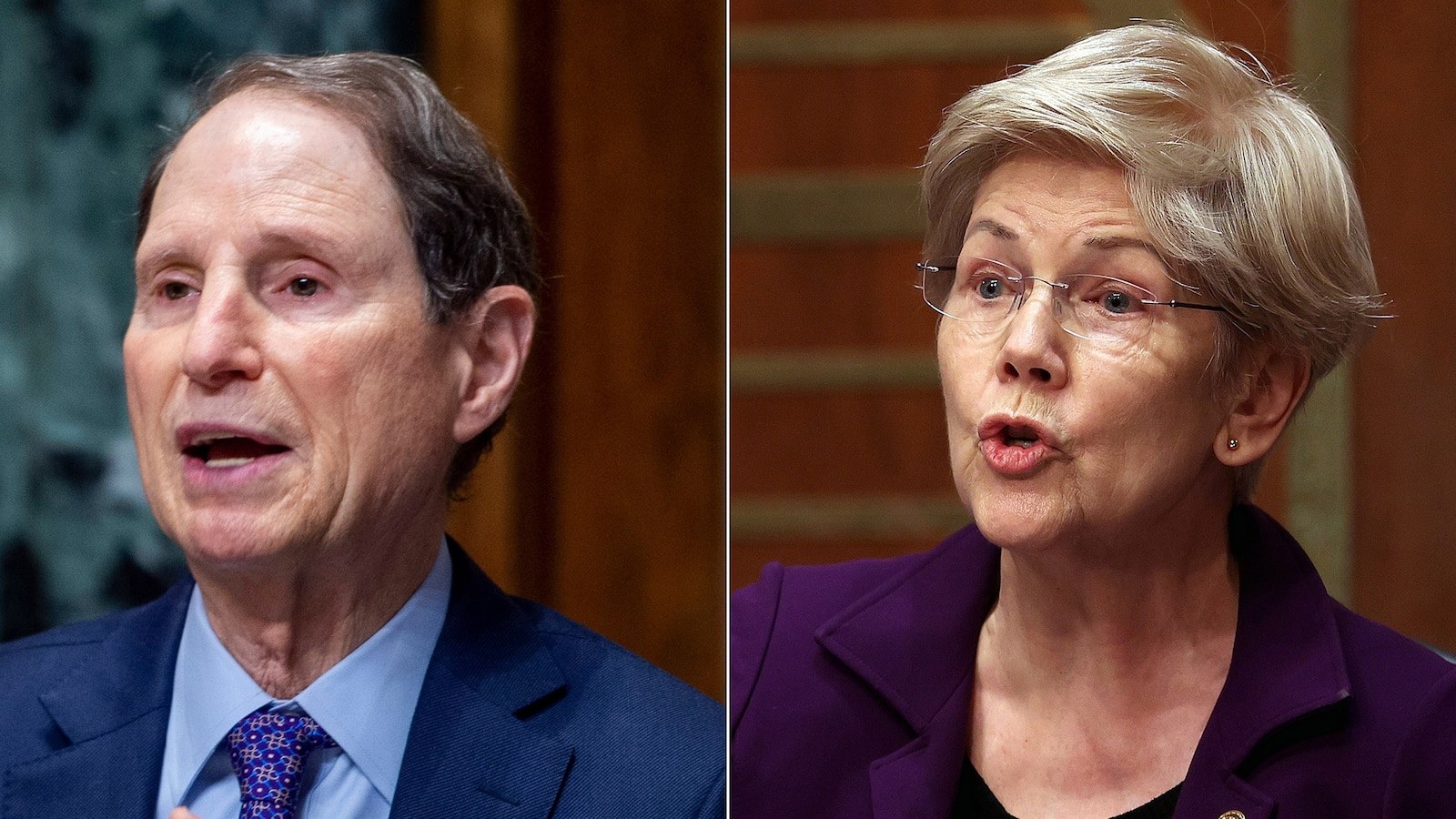
Senate Banking Committee ranking member Elizabeth Warren and Senate Finance Committee ranking member Ron Wyden have expressed their apprehensions in a letter sent to Bessent and Bisignano. They describe the fund as “outrageously corrupt” and are seeking clarification on how taxpayer money will be allocated. The fund is part of a larger settlement stemming from a $10 billion lawsuit initiated by Trump against the IRS, which has drawn criticism from lawmakers across the political spectrum.
Concerns Over Fund Allocation and Transparency
The Democrats’ letter raises significant concerns about the potential misuse of the fund, particularly regarding payments to individuals involved in the January 6 Capitol riots. Warren and Wyden argue that the agreement appears to facilitate the distribution of taxpayer money to Trump’s associates and those accused of violent actions during the insurrection. They highlight the lack of transparency in the fund’s operations, noting that there are no requirements for disclosing the recipients of the funds, allowing for potential secrecy in the allocation process.
Settlement Terms and IRS Audits
One of the most controversial aspects of the settlement is an addendum that prohibits the IRS from conducting any audits or investigations into Trump, his family, or their businesses. This provision has raised alarms among lawmakers, as it seemingly grants Trump and his affiliates immunity from scrutiny regarding their financial dealings. Warren and Wyden have characterized this as an abuse of presidential power, suggesting that it could enable Trump to evade accountability for tax-related issues.
Bipartisan Backlash and Ongoing Investigations
The reaction to the settlement and the establishment of the Anti-Weaponization Fund has not been limited to Democrats. Several Senate Republicans have also expressed concerns, prompting discussions about the fund’s implications for ongoing legislative efforts, including immigration enforcement bills. The bipartisan nature of the backlash indicates widespread unease regarding the settlement’s potential effects on governance and accountability.
Legal Framework and Oversight of the Fund
The fund will be overseen by a five-member commission appointed by the Attorney General, although Trump retains the authority to remove any member of this commission. This arrangement has raised additional questions about the independence and integrity of the oversight process. The Department of Justice has indicated that the fund will be financed through the federal compensation fund, typically reserved for court judgments and settlements, further complicating the financial implications of the settlement.
Next Steps for Congressional Oversight
In their letter, Warren and Wyden have requested specific information regarding the involvement of Bessent, Bisignano, and members of the Executive Office of the President in the discussions surrounding the settlement. They seek to understand the rationale behind the immunity provisions and how the fund will operate moving forward. As the situation develops, it remains unclear how the Treasury and IRS will respond to these demands for transparency and accountability.
As discussions continue in Congress regarding the implications of this settlement, the potential for legal and political ramifications remains high. The outcome of these inquiries may shape future interactions between the IRS and political figures, as well as influence public trust in governmental financial oversight.
Frequently Asked Questions
What is the Anti-Weaponization Fund?
The Anti-Weaponization Fund is a $1.8 billion fund created as part of a settlement between Donald Trump and the IRS, intended to compensate individuals who claim they were unfairly targeted under the Biden administration.
Why are Democrats concerned about the fund?
Democrats, particularly Senators Warren and Wyden, are concerned that the fund could be used to reward Trump’s allies and those involved in the January 6 Capitol riots, with a lack of transparency in fund allocation.
What are the implications of the settlement for IRS audits?
The settlement includes provisions that bar the IRS from conducting audits or investigations into Trump and his affiliates, raising concerns about potential abuse of power and lack of accountability.
How will the fund be overseen?
A five-member commission appointed by the Attorney General will oversee the fund, although Trump has the authority to remove commission members, raising questions about the oversight’s integrity.
What actions are Congressional leaders taking regarding the settlement?
Congressional leaders, particularly from the Democratic side, are demanding clarity and accountability regarding the settlement and its implications, seeking answers from Treasury and IRS officials.
Source: ABC News




Leave a Reply