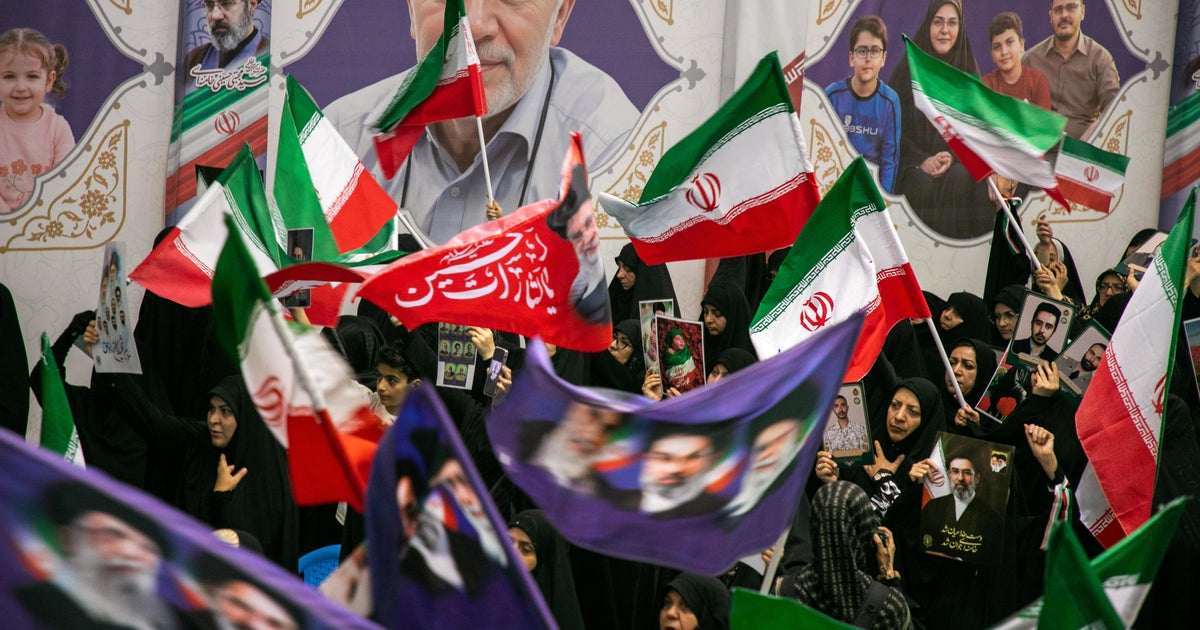
In a significant escalation of tensions, Iran has accused the United States of violating a fragile ceasefire agreement that was established amid ongoing military conflicts. This accusation comes as the U.S. military’s Central Command reported that it has turned away 108 vessels linked to Iran since implementing a blockade on April 13, shortly after President Trump announced the ceasefire. The blockade has been criticized by Iran as a breach of the agreement, leading to retaliatory measures from Tehran.
The U.S. blockade, aimed at Iranian ports and vessels, has been a contentious point, with Iran asserting that it is effectively imposing its own blockade on all ships attempting to navigate the critical Strait of Hormuz. This vital shipping lane is crucial for global oil transport, and Iran claims that many commercial vessels are now seeking permission from its military to transit the area. However, these claims are difficult to verify, as many ships in the region often obscure their locations.
Impact of the U.S. Blockade on Global Shipping
Iran’s insistence that it is not charging tolls for passage through the Strait of Hormuz contrasts sharply with U.S. warnings against such actions. Iranian officials have stated that they are collaborating with Oman to implement a new system for granting access to commercial vessels, which they indicate may involve costs. This development raises concerns about potential disruptions to global shipping and energy markets.
The ongoing tensions have already begun to affect energy markets, with Brent crude oil prices rising to around $100 per barrel, following a drop earlier in the week. The situation is further complicated by the U.S.-Israeli military operations against Iranian-backed Hezbollah in Lebanon, which have intensified just days before scheduled peace talks in Washington.
Potential Global Food Security Crisis
The closure of the Strait of Hormuz has implications beyond energy markets, as it threatens to disrupt global agricultural supply chains. Qu Dongyu, the Director-General of the U.N. Food and Agriculture Organization, warned that the current geopolitical crisis could evolve into a deeper global food security crisis by 2026 and 2027. He emphasized that the decisions made now will significantly impact future food security, highlighting the systemic shock to the global agriculture and food systems.
Stock Market Reactions Amid Rising Tensions
Despite the escalating tensions in the Persian Gulf, U.S. stock markets showed resilience, with the S&P 500 rising by 0.7% and the Dow Jones Industrial Average gaining 0.2%. Investors appear to be holding onto hopes for a diplomatic resolution to the conflict. However, the rising oil prices are contributing to inflationary pressures, which are affecting household budgets and overall economic stability.
Clashes Between Israel and Hezbollah
Compounding the situation, Israeli military operations against Hezbollah have intensified, particularly along the Litani River in Lebanon. Israeli forces have reportedly struck over 100 Hezbollah sites, leading to civilian casualties, including the deaths of children. These military actions are occurring just days before military delegations from Lebanon and Israel are set to meet for talks in Washington, raising concerns about the prospects for peace in the region.
The fragile ceasefire appears increasingly nominal, complicating efforts to establish a broader peace agreement that includes Lebanon. With Iran demanding that any resolution to the conflict encompass Lebanon, the prospects for a lasting peace remain uncertain.
Conclusion
As tensions continue to rise between the U.S. and Iran, along with the ongoing conflict involving Israel and Hezbollah, the potential for a broader geopolitical crisis looms large. The implications for global shipping, energy markets, and food security are profound, making the need for diplomatic solutions more urgent than ever.
Frequently Asked Questions
What is the current status of the U.S.-Iran ceasefire?
The U.S. has imposed a blockade on Iranian vessels, which Iran claims is a violation of the ceasefire agreement announced by President Trump.
How is the blockade affecting global shipping?
The blockade has led to disruptions in shipping through the Strait of Hormuz, a critical route for oil transport, and has raised concerns about potential tolls imposed by Iran.
What are the implications for food security?
The ongoing geopolitical tensions could lead to a global food security crisis, as disruptions in shipping may affect agricultural supply chains.
How have stock markets reacted to the tensions?
Despite rising tensions, U.S. stock markets have shown resilience, with gains in major indices, although rising oil prices are contributing to inflationary pressures.
What is the situation between Israel and Hezbollah?
Israeli military operations against Hezbollah have escalated, leading to civilian casualties and complicating ongoing peace talks.
Source: CBS News


Leave a Reply