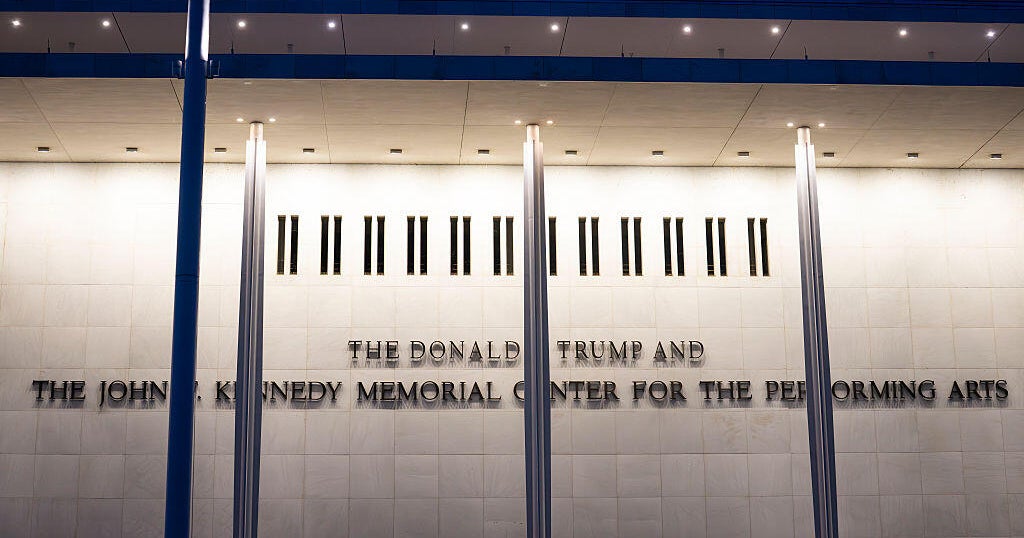
A federal judge has intervened in the ongoing controversy surrounding the Kennedy Center, blocking its planned temporary closure during renovations and ruling that the institution’s board acted unlawfully in renaming the center after former President Donald Trump. This decision has significant implications for the future of the Kennedy Center, a key cultural institution in the United States, and raises questions about governance and accountability within its board.
U.S. District Judge Christopher Cooper issued a 94-page ruling in favor of Democratic Rep. Joyce Beatty of Ohio, a member of the Kennedy Center’s Board of Trustees, who filed a lawsuit challenging the board’s decision to rename the center and its plans for closure. The judge emphasized that the Kennedy Center’s name is legally protected and can only be changed by Congress, stating, “The Kennedy Center’s organic statute makes crystal clear that the Center is to be named for President Kennedy, and it cannot bear any other formal name or public memorial based on the Board’s unilateral say-so.” This ruling underscores the importance of adherence to legal protocols in the management of public institutions.
Judge’s Ruling on Name Change
Judge Cooper’s ruling directly addressed the board’s decision to rename the Kennedy Center as “The Donald J. Trump and The John F. Kennedy Memorial Center for the Performing Arts.” He ordered the removal of Trump’s name from all signage and official materials associated with the center, reinforcing the notion that such a significant change requires congressional approval. Cooper noted that the board had acted beyond its authority and failed to consider the full range of its responsibilities.
Implications for Kennedy Center Renovations
While the judge blocked the closure of the Kennedy Center, he did allow for necessary repair work to continue, acknowledging that the renovations are “sorely needed.” The ruling does not prevent the board from pursuing closure in the future, provided that it follows proper procedures and considers its obligations to the institution. This aspect of the ruling leaves the door open for future discussions about the center’s operations and maintenance.
Trump’s Reaction and Future Plans
In response to the ruling, Trump expressed his dissatisfaction on social media, suggesting that he would relinquish control of the Kennedy Center and transfer its management to Congress. He criticized the judge’s decision, claiming it halted important renovations that would restore the building’s structural integrity. Trump’s comments reflect a broader frustration with the legal and political challenges he has faced regarding the Kennedy Center.
Responses from Stakeholders
Following the ruling, Rep. Beatty praised the decision, asserting that it reaffirmed the Kennedy Center’s status as a public institution rather than a personal project for Trump. Meanwhile, a spokeswoman for the Kennedy Center expressed confidence that an appeal would uphold the board’s actions, emphasizing the need for ongoing repairs funded by a $257 million allocation approved during Trump’s presidency. This highlights the complex interplay between funding, governance, and public sentiment surrounding the center.
Future of the Kennedy Center
The Kennedy Center has been a focal point of contention since Trump’s administration, particularly regarding its leadership and direction. The board’s decisions to change its name and management structure have faced backlash from various stakeholders, including artists and community members. As the legal battles continue, the future of the Kennedy Center remains uncertain, with ongoing discussions about its governance and role as a cultural landmark.
As the situation develops, the Kennedy Center’s leadership and its board will need to navigate the legal landscape while addressing the needs and expectations of the public. The outcome of any appeals and future decisions regarding the center’s operations will be closely watched by both supporters and critics alike.
Frequently Asked Questions
What was the judge’s ruling regarding the Kennedy Center?
The judge blocked the Kennedy Center’s closure during renovations and ordered the removal of Trump’s name from the building, stating the board acted unlawfully.
Why was the name change to Trump’s name deemed unlawful?
The judge ruled that the Kennedy Center’s name can only be changed by Congress, not unilaterally by the board.
What are the implications of the ruling for the Kennedy Center’s renovations?
The ruling allows necessary repairs to continue but blocks the center’s closure unless proper procedures are followed in the future.
How did Trump react to the judge’s decision?
Trump criticized the judge’s ruling and suggested he would transfer control of the Kennedy Center to Congress.
What are the next steps for the Kennedy Center’s board?
The board may consider appealing the ruling and will need to navigate its responsibilities in managing the center moving forward.
Source: CBS News




Leave a Reply