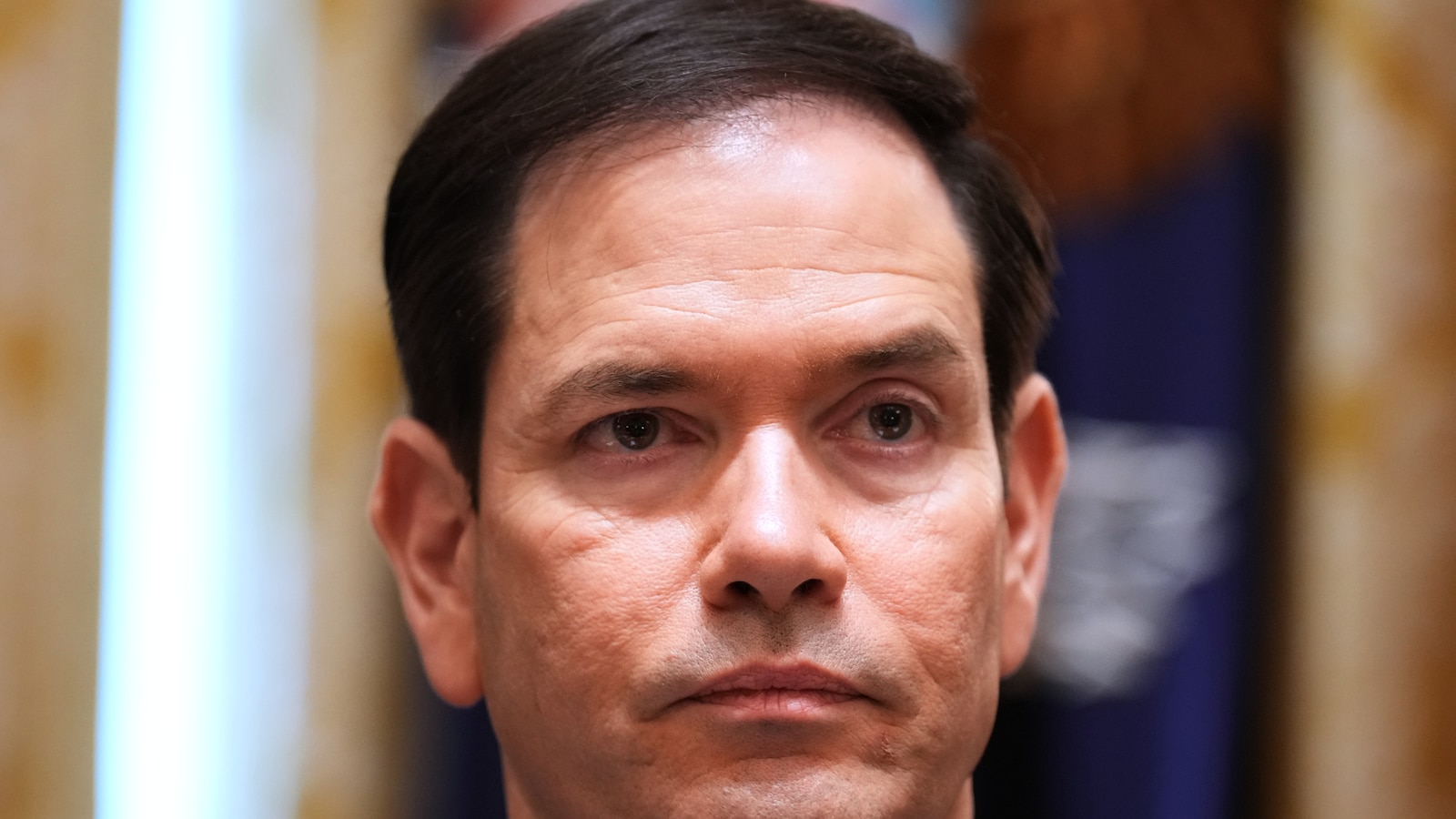
In a crucial moment for U.S. foreign policy, Secretary of State Marco Rubio testified before Congress for the first time since the onset of the Iran war. His remarks come at a time when the prospect of renewed nuclear negotiations with Iran appears to be both hopeful and precarious. Rubio expressed cautious optimism about Iran’s willingness to address nuclear issues that had previously been off the table, despite a shaky ceasefire in the ongoing conflict.
During his testimony, Rubio noted that Iran has shown a willingness to negotiate aspects of its nuclear program that were previously unacknowledged. However, he refrained from providing a detailed assessment of what these negotiations might yield, emphasizing the uncertainty surrounding the situation. “They have agreed to negotiate aspects of their nuclear program that just a month ago, just a year ago, they were refusing to even mention,” Rubio stated, highlighting a potential shift in Iran’s approach.
Context of the Testimony
Rubio’s testimony came amid escalating tensions in the region, particularly following recent threats from Israel against Iranian interests in Lebanon. Reports indicate that Iran has halted communication with mediators, complicating the already fragile diplomatic landscape. The State Department was simultaneously facilitating talks between Israel and Lebanon, yet the intensifying conflict has cast further doubt on the viability of a ceasefire.
Rubio faced a range of inquiries from lawmakers regarding the Trump administration’s broader foreign policy strategy, including issues related to foreign aid and military engagements. His testimony was part of a two-day session focused on the State Department’s budget request, but the conversation swiftly shifted to the implications of the Iran war.
Political Reactions and Challenges
As Rubio addressed Congress, he encountered a mix of support and criticism regarding the administration’s military actions in Iran. While many Republicans rallied behind the decision to engage, a growing faction within the party has begun to question the long-term economic impacts of the war, particularly with midterm elections approaching. Concerns have been raised about the conflict’s effect on oil prices and the stability of the Strait of Hormuz, a critical passage for global energy supplies.
Recent legislative efforts have also indicated a shift in Republican sentiment, with some members advocating for measures that would limit the administration’s military authority. For instance, the Senate advanced legislation aimed at forcing a withdrawal from the conflict, reflecting a growing unease among lawmakers about the direction of U.S. involvement in the region.
Implications for U.S.-Iran Relations
The potential for renewed negotiations with Iran raises significant questions about the future of U.S.-Iran relations. Rubio acknowledged the challenges posed by Iran’s leadership instability, which complicates any diplomatic efforts. The ongoing conflict has not only strained relations but has also heightened the stakes for both nations as they navigate the complexities of war and diplomacy.
Furthermore, Rubio’s testimony is expected to set the stage for further discussions about U.S. policy towards Iran and the broader Middle East, especially as the administration grapples with the consequences of its military actions.
Future Congressional Engagements
Following his initial appearances, Rubio is scheduled to continue his testimony before additional congressional committees. Lawmakers are likely to probe deeper into the administration’s strategies regarding Iran, Cuba, and other foreign policy challenges. As the situation evolves, the outcomes of these discussions may significantly influence U.S. diplomatic efforts moving forward.
Conclusion
As Secretary of State Marco Rubio navigates the complexities of U.S. foreign policy in the context of the Iran war, his testimony before Congress highlights both the potential for renewed negotiations and the significant challenges that lie ahead. The interplay of military action, diplomatic efforts, and domestic political pressures will continue to shape the future of U.S.-Iran relations.
Frequently Asked Questions
What did Rubio say about Iran’s willingness to negotiate?
Rubio indicated that Iran has agreed to discuss aspects of its nuclear program that were previously off the table, although he did not elaborate on the specifics.
How has the conflict affected U.S. foreign policy?
The ongoing war has prompted bipartisan concerns regarding its economic impact, particularly on oil prices and military funding, leading to questions about the administration’s strategy.
What legislative actions are being considered regarding the war?
Some congressional members are advocating for measures to limit the administration’s military authority, reflecting a growing unease among lawmakers about the ongoing conflict.
What are the implications of the ceasefire’s instability?
The fragile ceasefire complicates diplomatic negotiations and raises concerns about the potential for escalated conflict in the region.
What role does the Strait of Hormuz play in this situation?
The Strait of Hormuz is a critical waterway for global oil and natural gas trade, and disruptions here could have significant economic repercussions worldwide.
Source: ABC News
Leave a Reply