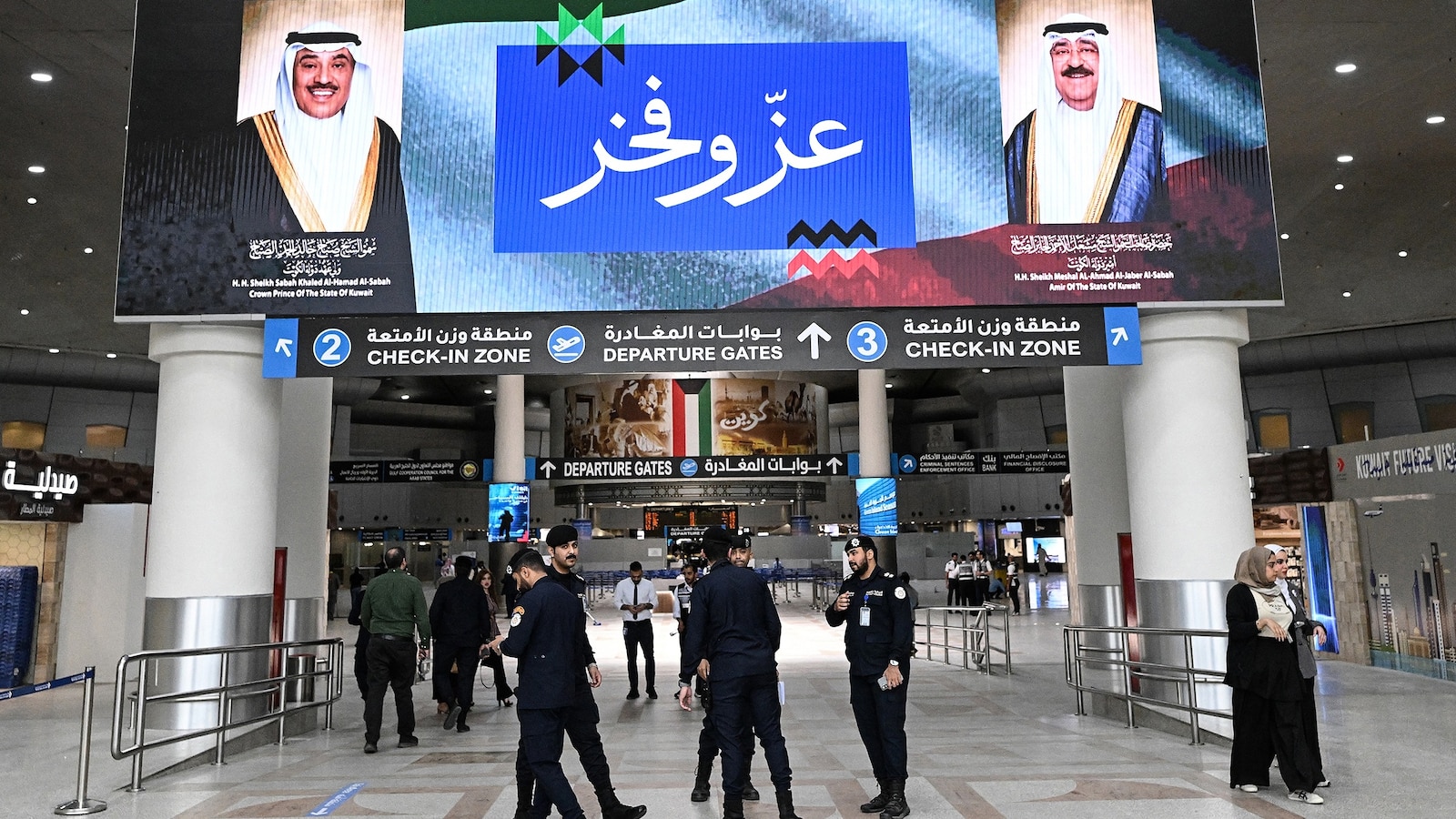
In a significant escalation of hostilities, Iran has launched drone and missile attacks targeting U.S. forces stationed in Kuwait. This action comes amidst a backdrop of a recently announced ceasefire and ongoing diplomatic efforts between the U.S. and Iran. The Iranian military reported that it fired 13 ballistic missiles and 17 drones in the early hours of Wednesday, indicating a serious breach of the fragile peace that had been established.
The Iranian Foreign Ministry has framed these attacks as acts of self-defense, claiming they were necessary responses to previous aggressions against Iranian facilities. The ministry stated that Kuwait and Bahrain share responsibility for these attacks due to their cooperation with U.S. military operations on their soil. The situation has drawn international attention as it threatens to destabilize the region further.
Context of the Ceasefire and Military Operations
The ceasefire, which was supposed to provide a window for diplomatic negotiations, has been undermined by these recent military actions. President Donald Trump had previously announced what he termed “major combat operations” against Iran, which included joint U.S.-Israeli strikes targeting military and governmental sites within Iran. The U.S. had also imposed a blockade, which it intends to maintain until a peace agreement is reached.
Despite attempts at dialogue, initial talks in Pakistan failed to yield a resolution, leading to an extension of the ceasefire without a clear path forward. The Iranian government has reiterated its stance that further military actions will be met with decisive responses, emphasizing its commitment to defending its sovereignty.
Details of the Attacks
The attacks on U.S. forces in Kuwait were described by the Kuwaiti Army as a coordinated effort involving both drones and missiles. The scale of the assault suggests a high level of military capability and a strategic decision by Iran to assert its influence in the region. The Iranian military’s justification for these actions is rooted in claims of self-defense against perceived threats from U.S. bases in the area.
Reactions from U.S. Officials
President Trump has expressed frustration with the ongoing conflicts, particularly regarding Israel’s military engagements in the region. In recent comments, he indicated that he was not angry but “perturbed” by the situation, suggesting that diplomatic solutions remain a priority. However, he has also hinted at the possibility of further military action if negotiations do not progress satisfactorily.
Trump’s administration has maintained that Iran’s nuclear ambitions are a primary concern, with the President stating that he is open to future discussions with Iranian leadership. He has emphasized the importance of preventing Iran from acquiring nuclear weapons, which remains a central theme in U.S. foreign policy toward Tehran.
Implications for Regional Stability
The recent escalation poses significant risks not only to U.S. personnel but also to broader regional stability. The Iranian attacks could provoke retaliatory measures from the U.S. and its allies, potentially leading to a cycle of violence that undermines any efforts for a peaceful resolution. The involvement of multiple nations in this conflict complicates the situation further, as alliances and enmities shift in response to military actions.
As both sides navigate this precarious situation, the international community is watching closely, with many hoping for a return to negotiations that could avert further conflict.
Frequently Asked Questions
What triggered Iran’s recent missile and drone attacks?
Iran claims the attacks were a response to previous aggressions against its facilities and are framed as acts of self-defense.
How has the U.S. government responded to the attacks?
U.S. officials, including President Trump, have expressed frustration with the ongoing conflicts and emphasized the importance of preventing Iran from acquiring nuclear weapons.
What is the current status of the ceasefire?
The ceasefire is under severe strain due to the recent attacks, with diplomatic efforts having failed to produce a lasting peace agreement.
What are the implications for U.S. forces in the region?
The attacks increase the risk to U.S. personnel stationed in Kuwait and may lead to escalated military responses from the U.S. and its allies.
What role do Kuwait and Bahrain play in these tensions?
Kuwait and Bahrain are seen as complicit in U.S. military operations against Iran, which has led to Iranian claims that they bear responsibility for the attacks.
Source: ABC News



Leave a Reply