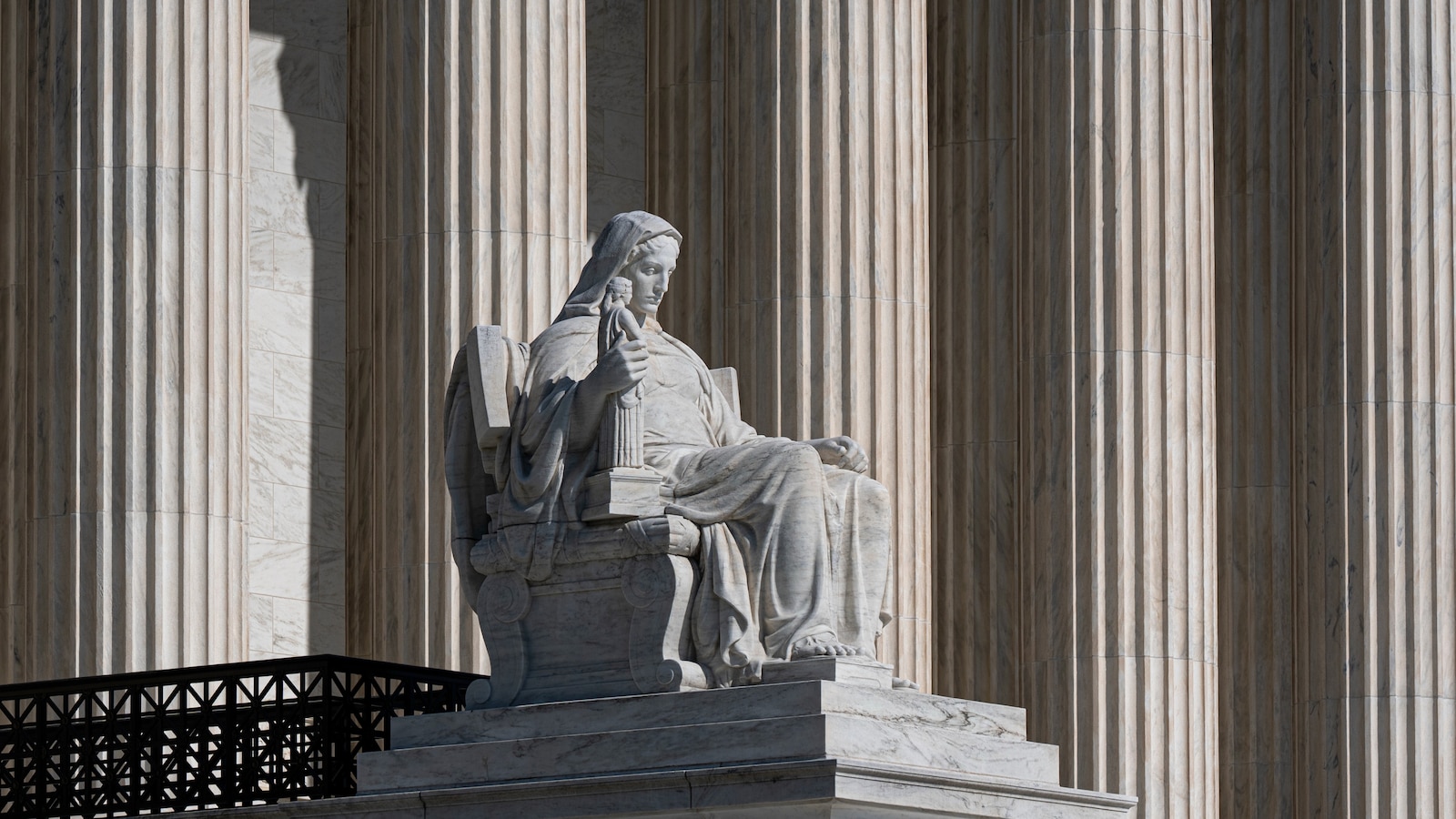
In a significant ruling on telecommunications regulation, the Supreme Court sided with the Trump administration, affirming the federal government’s authority to enforce data privacy laws against major telecom companies. The 8-1 decision upholds a key enforcement mechanism used by the Federal Communications Commission (FCC) while also allowing for a notable concession that may reshape the regulatory landscape for these companies.
The case involved appeals from telecom giants Verizon and AT&T, who contested a combined $100 million in penalties imposed by the FCC. These fines were levied after the agency found that the companies had inadequately protected customer location data, raising concerns about consumer privacy. The telecom companies argued that the FCC’s process was unconstitutional, claiming it denied them a fair opportunity to present their case before a jury.
The Trump administration defended the fines as a necessary regulatory tool to ensure compliance with data privacy standards. However, the government also indicated that the companies would not be required to pay the penalties immediately, a shift that could ease financial pressures on the telecom giants. Chief Justice John Roberts, writing for the majority, noted that the orders in question did not create an obligation for the carriers to pay at this time, which could have broader implications for regulatory enforcement.
Implications of the Ruling for Telecommunications
The Supreme Court’s decision is particularly significant as it reaffirms the FCC’s authority to regulate telecommunications companies in matters of data privacy. This ruling not only affects Verizon and AT&T but also sets a precedent that could influence how other federal agencies enforce similar regulations. Advocacy groups have expressed concern that a strong ruling in favor of the telecom companies could undermine the government’s ability to hold corporations accountable for data breaches and privacy violations.
Justice Thomas’s Dissent
While the decision was largely in favor of the Trump administration, Justice Clarence Thomas dissented, indicating a desire for a more restrictive interpretation of the FCC’s regulatory powers. His dissent highlights ongoing tensions within the Court regarding the extent of federal authority in regulating industries and protecting consumer rights.
Broader Context of Regulatory Power
The ruling comes at a time when the Supreme Court has previously limited the power of federal agencies, including decisions that have restricted regulatory tools available to protect consumers and investors. This pattern raises questions about the future of regulatory enforcement in various sectors, including telecommunications, finance, and beyond. Legal experts suggest that a consistent trend of limiting agency power could lead to significant changes in how federal regulations are applied and enforced.
Future of Data Privacy Regulations
The decision underscores the ongoing debate surrounding data privacy and the responsibilities of telecommunications companies in safeguarding consumer information. As technology continues to evolve, the regulatory framework governing these companies will likely face further scrutiny and challenges. The implications of this ruling will be closely monitored by both industry stakeholders and consumer advocacy groups as they navigate the complexities of data protection and privacy laws.
Conclusion
The Supreme Court’s ruling in favor of the Trump administration marks a pivotal moment in the ongoing discourse about federal regulatory power and consumer protection in the telecommunications sector. As the landscape continues to shift, stakeholders must remain vigilant regarding the implications of this decision for data privacy enforcement and the responsibilities of telecom companies.
Frequently Asked Questions
What was the Supreme Court’s ruling about?
The Supreme Court ruled in favor of the Trump administration, affirming the FCC’s authority to enforce data privacy laws against telecom companies.
What penalties were imposed on Verizon and AT&T?
The FCC imposed a combined $100 million in penalties on Verizon and AT&T for failing to protect customer location data.
What did the dissenting opinion by Justice Thomas indicate?
Justice Clarence Thomas expressed a desire for a more restrictive interpretation of the FCC’s regulatory powers, indicating concerns about federal authority.
How might this ruling affect future regulations?
This ruling could set a precedent that impacts how federal agencies enforce regulations across various sectors, particularly in consumer protection.
What are the implications for consumer data privacy?
The decision raises concerns about the ability of regulatory agencies to hold telecom companies accountable for data breaches and privacy violations.
Source: Source




Leave a Reply