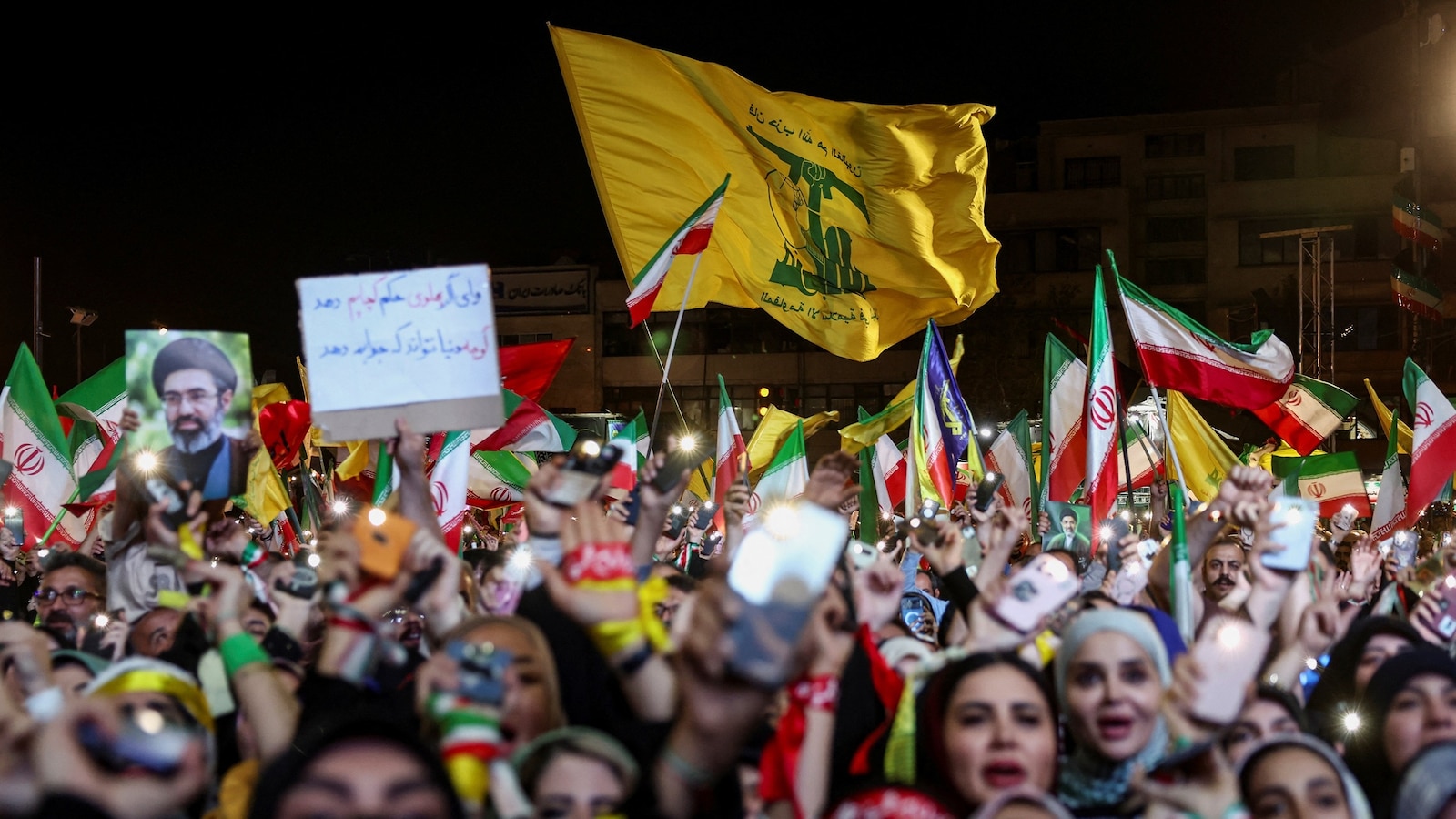
The ongoing conflict between Israel and Iran has escalated, raising significant concerns within the Trump administration regarding its influence over Israel, a key ally in the Middle East. Following a series of missile attacks launched by Iran against Israel, President Donald Trump has engaged in urgent discussions with Israeli Prime Minister Benjamin Netanyahu, aiming to prevent a potential all-out war. The situation is precarious, as both nations have indicated a willingness to comply with calls for restraint, yet the threat of renewed hostilities remains high.
On Sunday, Iran’s military launched a barrage of missiles targeting Israel, marking a significant escalation in hostilities since a fragile cease-fire was established in April. In response, Israel conducted airstrikes against Hezbollah positions in Lebanon, which Netanyahu characterized as necessary retaliation. This cycle of aggression has prompted heightened fears among U.S. officials that the conflict could spiral out of control, leading to a larger war involving multiple regional actors.
Trump’s Diplomatic Efforts Amid Rising Tensions
In light of the recent exchanges of fire, President Trump has taken a proactive approach, reaching out to Netanyahu to urge restraint. Reports indicate that Trump’s tone softened during their discussions, reflecting a growing concern about the potential for escalation. Following the missile attacks, Trump reiterated his call for both nations to cease hostilities, emphasizing the need for immediate de-escalation.
Israel’s Position on Military Operations
Despite Trump’s appeals, the Israeli government remains resolute in its military strategy, asserting that operations against Hezbollah are critical for national security. Netanyahu has publicly stated that Iran and Hezbollah are currently weaker than ever, but he also acknowledged the ongoing threat they pose. The Israeli Prime Minister’s insistence on continuing military actions reflects a complex interplay between domestic political pressures and international diplomatic efforts.
U.S. Concerns Over Israeli Military Actions
U.S. officials have expressed frustration over Israel’s military campaign in Lebanon, perceiving it as a hindrance to broader peace negotiations. The Trump administration has been advocating for a more tempered approach, hoping to create space for diplomatic discussions aimed at stabilizing the region. However, the Israeli government has consistently maintained that its military actions are essential to countering threats from Iran and its proxies.
Challenges in U.S.-Iran Negotiations
As tensions escalate, Trump has also been navigating complex negotiations with Iran. The administration has indicated that it seeks to formalize a cease-fire and address nuclear negotiations, but significant obstacles remain. The U.S. and Iran are reportedly at odds over the terms of any potential agreement, particularly regarding nuclear commitments and financial arrangements for Tehran. Trump’s strategy appears to involve separating the military situation in Lebanon from broader U.S.-Iran discussions, a move that Tehran has contested.
Future Implications for Regional Stability
The current state of affairs in the Middle East underscores the fragile nature of peace in the region. With both Israel and Iran showing readiness to engage in military action if provoked, the risk of a wider conflict looms large. U.S. officials continue to monitor the situation closely, hoping that diplomatic efforts can mitigate the risk of escalation. However, the effectiveness of these efforts remains uncertain as both sides prepare for potential future confrontations.
As the situation develops, the implications for U.S. foreign policy and regional stability will be significant. The Trump administration’s ability to influence Israeli military decisions while managing relations with Iran is being tested as tensions rise.
Frequently Asked Questions
What sparked the recent escalation between Israel and Iran?
The recent escalation was triggered by a series of missile attacks launched by Iran against Israel, which followed Israeli airstrikes targeting Hezbollah positions in Lebanon.
What is President Trump’s stance on the conflict?
President Trump has urged both Israel and Iran to cease hostilities and has attempted to persuade Netanyahu to avoid further military actions that could lead to all-out war.
How has the Israeli government responded to U.S. calls for restraint?
The Israeli government has maintained that its military operations are vital for national security, despite U.S. officials expressing concerns over the potential for escalation.
What are the challenges facing U.S.-Iran negotiations?
Significant hurdles remain in U.S.-Iran negotiations, including disagreements over nuclear commitments and financial arrangements for Iran, complicating efforts to formalize a cease-fire.
What might happen if hostilities continue?
If hostilities continue, there is a risk of a broader conflict that could involve multiple regional actors, further destabilizing the Middle East.
Source: ABC News

Leave a Reply