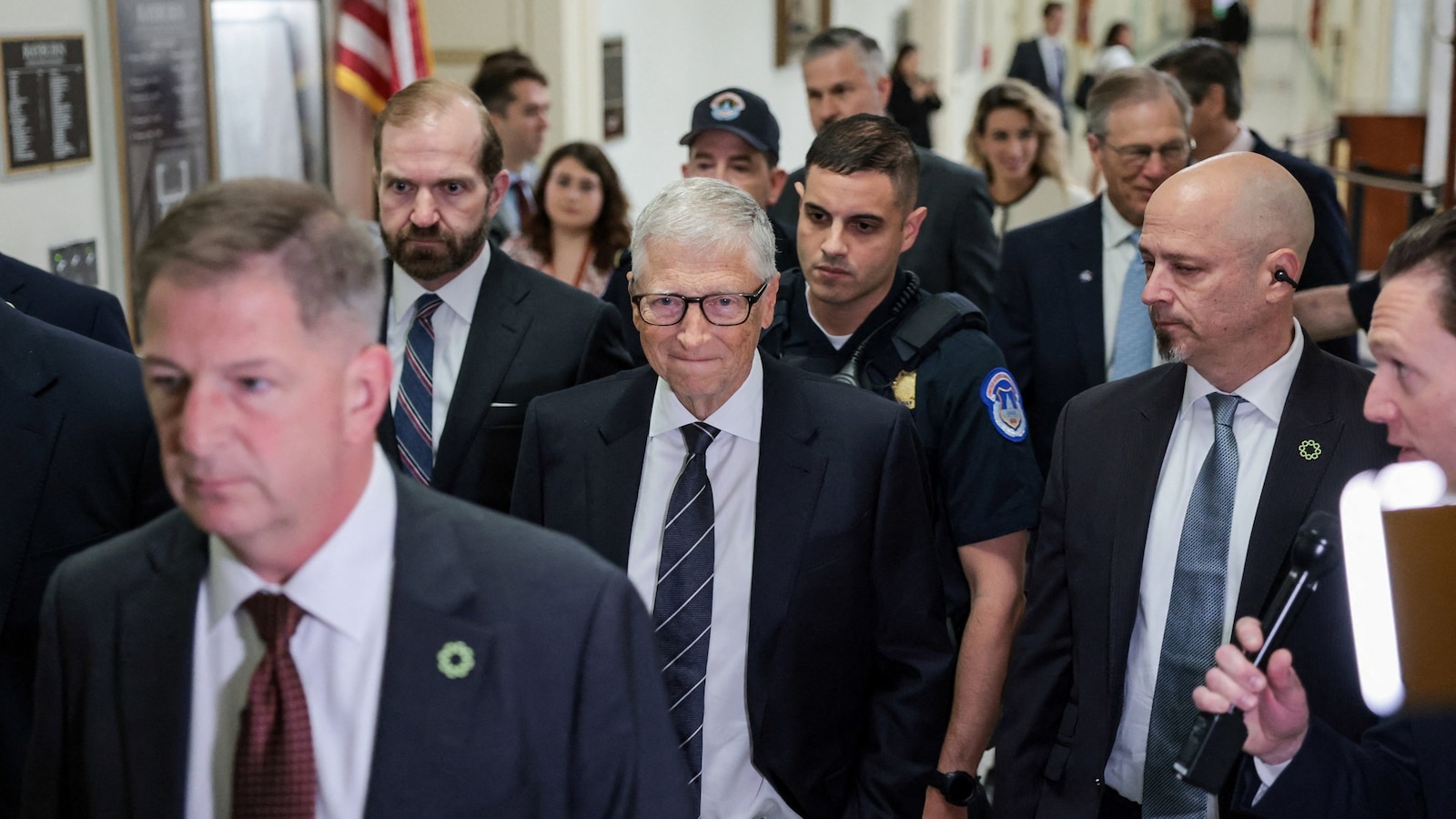
Microsoft co-founder Bill Gates recently testified before the House Oversight Committee regarding his relationship with Jeffrey Epstein, a convicted sex offender. In his prepared remarks, Gates characterized his meetings with Epstein as a “grave error in judgment,” emphasizing that he never engaged in any criminal conduct and had no knowledge of Epstein’s illegal activities. This testimony marks a significant moment in the ongoing investigation into Epstein’s dealings and the broader implications of his connections with high-profile individuals.
Gates faced questions about his interactions with Epstein, which began in 2011. He acknowledged that Epstein sought to cultivate a personal relationship with him, but Gates maintained that his primary interest was in leveraging Epstein’s connections to secure funding for his global health initiatives. Gates stated, “I never victimized anyone,” and reiterated that he had no knowledge of Epstein’s criminal behavior, including any involvement in trafficking or abuse.
Details of Gates’ Testimony
During the closed-door interview, Gates detailed the nature of his meetings with Epstein, which included discussions about potential donor structures and philanthropic contributions. He admitted to being aware of Epstein’s past legal troubles but claimed he did not fully comprehend the severity of Epstein’s offenses at the time. Gates remarked, “I can recall being aware that Epstein had faced prior legal issues,” but he did not grasp the extent of Epstein’s crimes.
In addition to addressing his professional interactions, Gates also revealed that Epstein had learned sensitive information about his personal life, particularly regarding his infidelities during his marriage to Melinda French Gates. Gates stated that Epstein attempted to use this information to manipulate him, but he resisted such efforts. “These affairs had nothing to do with my interactions with Epstein, but they were painful for my family,” he noted.
Committee’s Broader Investigation
The House Oversight Committee’s inquiry into Epstein’s connections has involved interviews with various individuals, including former government officials and associates of Epstein. Chairman James Comer (R-Ky.) indicated that Gates was contacted as he might possess valuable information for the investigation. The committee’s broader goal is to uncover the extent of Epstein’s network and how he exploited relationships with influential figures.
Gates’ testimony is part of a series of interviews that the committee has conducted in recent weeks, aimed at understanding the government’s oversight of Epstein’s activities and the implications for victims of his crimes. Comer has expressed interest in obtaining further testimonies, including from Todd Blanche, the acting attorney general, to clarify any remaining questions about documents related to the case.
Public and Political Reactions
Following his testimony, Gates addressed reporters, expressing hope that his statements would assist the committee in its pursuit of justice for Epstein’s victims. His remarks reflect a growing public interest in the accountability of high-profile figures who interacted with Epstein and the broader implications of his criminal network.
Rep. Robert Garcia, the committee’s ranking Democrat, has called for additional transparency in the investigation, suggesting that Blanche should provide a videotaped deposition. The differing perspectives within the committee highlight the complexity of the inquiry and the political dynamics at play.
Implications for Future Philanthropic Efforts
Gates’ acknowledgment of his misjudgment in associating with Epstein may have lasting implications for his philanthropic efforts and public image. As a prominent figure in global health initiatives, Gates’ connections to Epstein could raise concerns about the ethical considerations of partnerships and funding sources in philanthropy. The fallout from this testimony may influence how donors and organizations approach their relationships with influential figures in the future.
Overall, Gates’ testimony underscores the ongoing scrutiny surrounding Epstein’s legacy and the responsibility of individuals in positions of power to critically assess their associations.
Frequently Asked Questions
What did Bill Gates say about his meetings with Epstein?
Bill Gates described his meetings with Epstein as a “grave error in judgment” and stated that he never victimized anyone.
Why is the House Oversight Committee investigating Epstein?
The committee is investigating the government’s handling of Epstein’s activities and the connections he had with influential figures.
What were the nature of Gates’ interactions with Epstein?
Gates’ interactions were primarily focused on discussions about philanthropy and potential donor structures for his global health initiatives.
How did Epstein attempt to manipulate Gates?
Epstein reportedly used sensitive information about Gates’ personal life to pressure him into re-engaging with him, although Gates resisted these efforts.
What are the implications of Gates’ testimony for his philanthropic work?
Gates’ acknowledgment of his past relationship with Epstein may impact public perception of his philanthropic efforts and raise ethical questions about donor associations.
For more updates, visit QuickFeedNews.
Source: ABC News



Leave a Reply