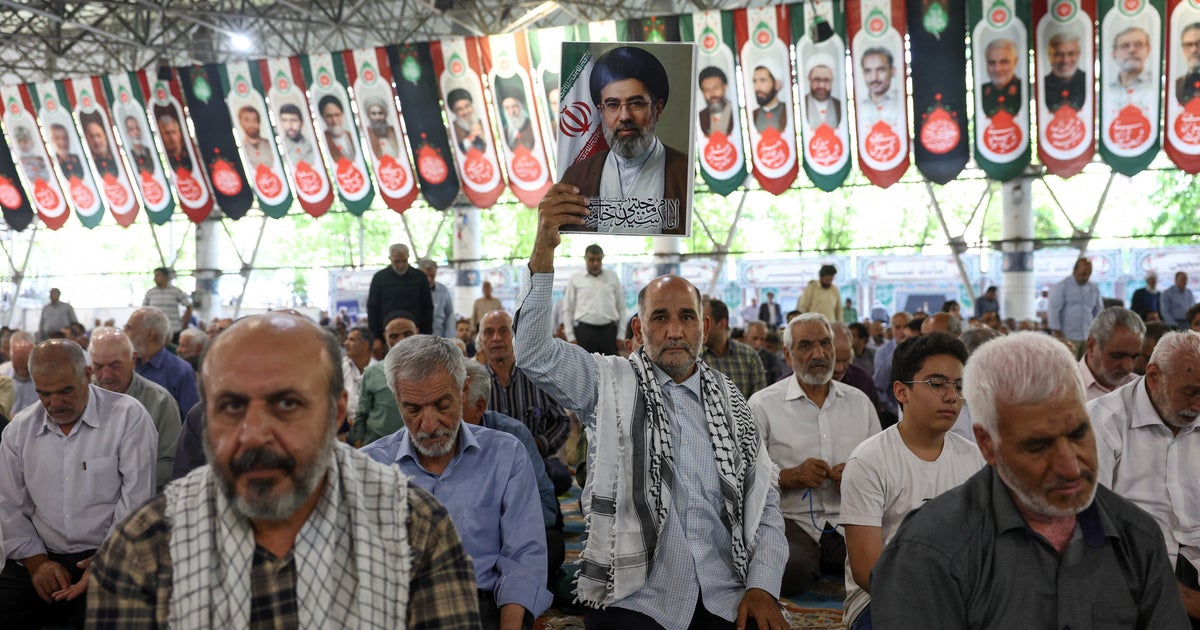
In a significant development in Middle Eastern diplomacy, Pakistan’s Prime Minister Shehbaz Sharif announced that a “final, agreed upon text” of a peace deal between the United States and Iran has been reached. This announcement comes amid rising tensions in the region and ongoing negotiations aimed at stabilizing relations between the U.S. and Iran. Sharif stated that Pakistan is actively working with both nations to finalize the next steps, underscoring Pakistan’s role as a mediator in these high-stakes discussions.
The potential deal is seen as a pivotal moment that could reshape the geopolitical landscape of the region. Iran’s Foreign Minister, Abbas Araghchi, expressed optimism, stating that an agreement has “never been closer,” with details expected to be made public in due course. The implications of this deal could extend beyond U.S.-Iran relations, potentially influencing broader regional dynamics and security arrangements.
Details of the Agreement Remain Under Wraps
While the announcement of a finalized text is promising, many details of the agreement remain unclear. U.S. Vice President JD Vance emphasized that Iran would not receive any cash simply for signing the deal. He clarified that economic benefits would only be realized if Iran meets its obligations under the agreement. This structure aims to prioritize the concerns of the U.S. and its allies, suggesting that the deal is designed to ensure compliance and accountability from Iran.
Reactions from U.S. and Israeli Officials
Former President Donald Trump reshared Araghchi’s comments on social media, indicating his support for the negotiations. Trump stated that an agreement would likely be signed within days, although Iranian officials have cautioned that a final conclusion has not yet been reached. Meanwhile, Israeli Defense Minister Israel Katz expressed concerns regarding Iran’s nuclear ambitions, stating that any agreement must prevent Iran from obtaining nuclear weapons. Katz reiterated Israel’s commitment to maintaining its security operations in Lebanon, which remain a contentious issue in the negotiations.
Humanitarian Concerns Amid Ongoing Conflict
The backdrop of these negotiations includes the ongoing conflict between Israel and Hezbollah, which has been a significant sticking point in U.S.-Iran discussions. Iran has insisted that any ceasefire agreement must also address the fighting in Lebanon and Gaza. The humanitarian implications of this conflict are severe, with reports indicating that over one million people have been displaced due to Israeli military actions. Human Rights Watch has raised alarms about potential war crimes related to forced displacement in the region.
Next Steps and Regional Implications
The announcement of a finalized U.S.-Iran peace deal could have far-reaching implications for regional stability. As Pakistan continues to mediate between the two nations, the international community is watching closely to see how this agreement will unfold and what it will mean for the future of U.S.-Iran relations. The potential for economic benefits and a reduction in hostilities could lead to a more stable Middle East, but the complexities of the situation, especially concerning Israel and Hezbollah, remain a critical factor.
Frequently Asked Questions
What is the current status of the U.S.-Iran peace deal?
Pakistan’s Prime Minister has confirmed that a finalized text of the deal has been reached, but specific details are still pending public release.
What are the implications of this deal for Iran?
If Iran meets its obligations under the agreement, it may receive economic benefits, but no cash will be provided simply for signing.
How does Israel view the U.S.-Iran negotiations?
Israel is concerned about Iran’s nuclear capabilities and expects any agreement to prevent Iran from obtaining nuclear weapons while maintaining its military presence in the region.
What humanitarian issues are related to the ongoing conflict?
The conflict has resulted in significant displacement of civilians, with over one million people affected, raising concerns about potential war crimes.
How is Pakistan involved in the negotiations?
Pakistan is acting as a mediator between the U.S. and Iran, working closely with both sides to finalize the next steps following the agreement announcement.
For more updates, visit QuickFeedNews.
Source: CBS News
Leave a Reply