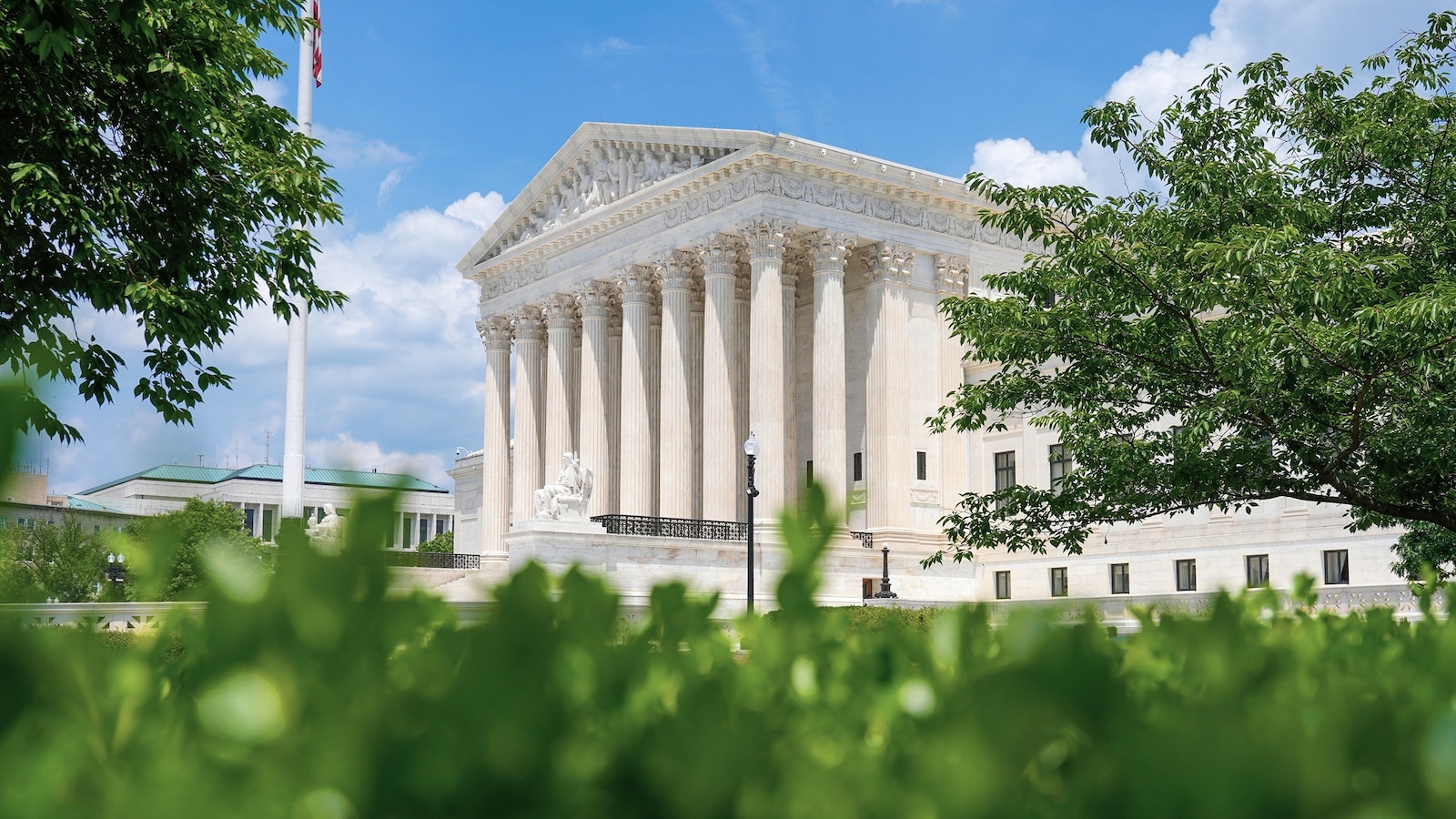
In a landmark decision, the U.S. Supreme Court ruled unanimously on Thursday that a long-standing federal ban on gun ownership for unlawful users of controlled substances, specifically marijuana, is unconstitutional. This ruling is particularly significant for millions of Americans who use marijuana, as it limits the federal government’s ability to prosecute individuals solely based on their history of drug use.
The case centered around Ali Hemani, a Texas resident who was charged with unlawful possession of a firearm after admitting to using marijuana regularly. Hemani’s legal challenge highlighted the conflict between state-level legalization of marijuana and federal laws that still classify it as an illegal substance. The Supreme Court’s ruling effectively means that individuals who use marijuana, where it is legal under state law, cannot automatically be barred from exercising their Second Amendment rights.
Implications of the Ruling
The Supreme Court’s decision has immediate implications for federal gun laws and the rights of cannabis users. Justice Neil Gorsuch, writing for the Court, stated that the government could not disqualify individuals from gun ownership based solely on their drug use without demonstrating that they pose a danger to society. This ruling is seen as a victory for cannabis advocates and gun rights supporters alike, emphasizing the importance of individual rights under the Constitution.
Background of the Case
Ali Hemani was prosecuted for possessing a Glock 9mm pistol while admitting to using marijuana every other day. He was arrested without being intoxicated or in possession of the firearm at the time, raising questions about the fairness of applying the federal ban in his case. A federal appeals court had previously ruled in Hemani’s favor, stating that the ban was unconstitutional as it applied to him, and the Supreme Court upheld this decision.
Response from Advocacy Groups
The ruling has been welcomed by various advocacy groups, including the American Civil Liberties Union (ACLU) and the National Rifle Association (NRA). ACLU legal director Cecillia Wang stated that the decision protects the rights of millions of Americans and limits the government’s ability to impose arbitrary penalties based on unfounded assumptions about danger. The NRA also praised the ruling as a significant victory for Second Amendment rights, arguing that individuals should not be deprived of their rights due to nonviolent conduct.
Remaining Legal Framework and Concerns
Despite the ruling, the Supreme Court clarified that other provisions of federal law remain intact. This includes restrictions on gun ownership for those deemed dangerous, currently intoxicated, or classified as drug addicts. Gun safety advocates have noted that while the ruling limits the application of the drug-user gun ban, it does not eliminate the government’s ability to restrict firearms access for certain categories of individuals deemed a threat to public safety.
Conclusion
The Supreme Court’s unanimous decision marks a significant shift in the intersection of gun rights and drug use laws in the United States. As more states move towards legalizing marijuana, this ruling could reshape the landscape of gun ownership rights for millions of Americans. The decision underscores the ongoing legal and societal debates surrounding both gun rights and cannabis use, highlighting the complexities of federal and state law interactions.
Frequently Asked Questions
What was the Supreme Court’s ruling regarding marijuana users and gun ownership?
The Supreme Court ruled unanimously that the federal ban on gun ownership for unlawful users of controlled substances, including marijuana, is unconstitutional as applied to a Texas man who used marijuana regularly.
Who was the plaintiff in the case?
The plaintiff was Ali Hemani, a Texas resident who admitted to using marijuana and was charged with unlawful possession of a firearm.
What are the implications of this ruling for other gun laws?
The ruling limits the federal government’s ability to prosecute individuals solely based on their history of drug use, but other restrictions on gun ownership remain in place for those deemed dangerous or currently intoxicated.
How have advocacy groups reacted to the ruling?
Advocacy groups like the ACLU and NRA have praised the ruling, viewing it as a victory for individual rights and a limitation on government overreach regarding gun ownership and drug use.
Does this ruling affect state laws on marijuana?
While the ruling addresses federal law, it reinforces the conflict between state-level legalization of marijuana and federal prohibitions, potentially impacting how laws are enforced in states where marijuana is legal.
Source: Source



Leave a Reply