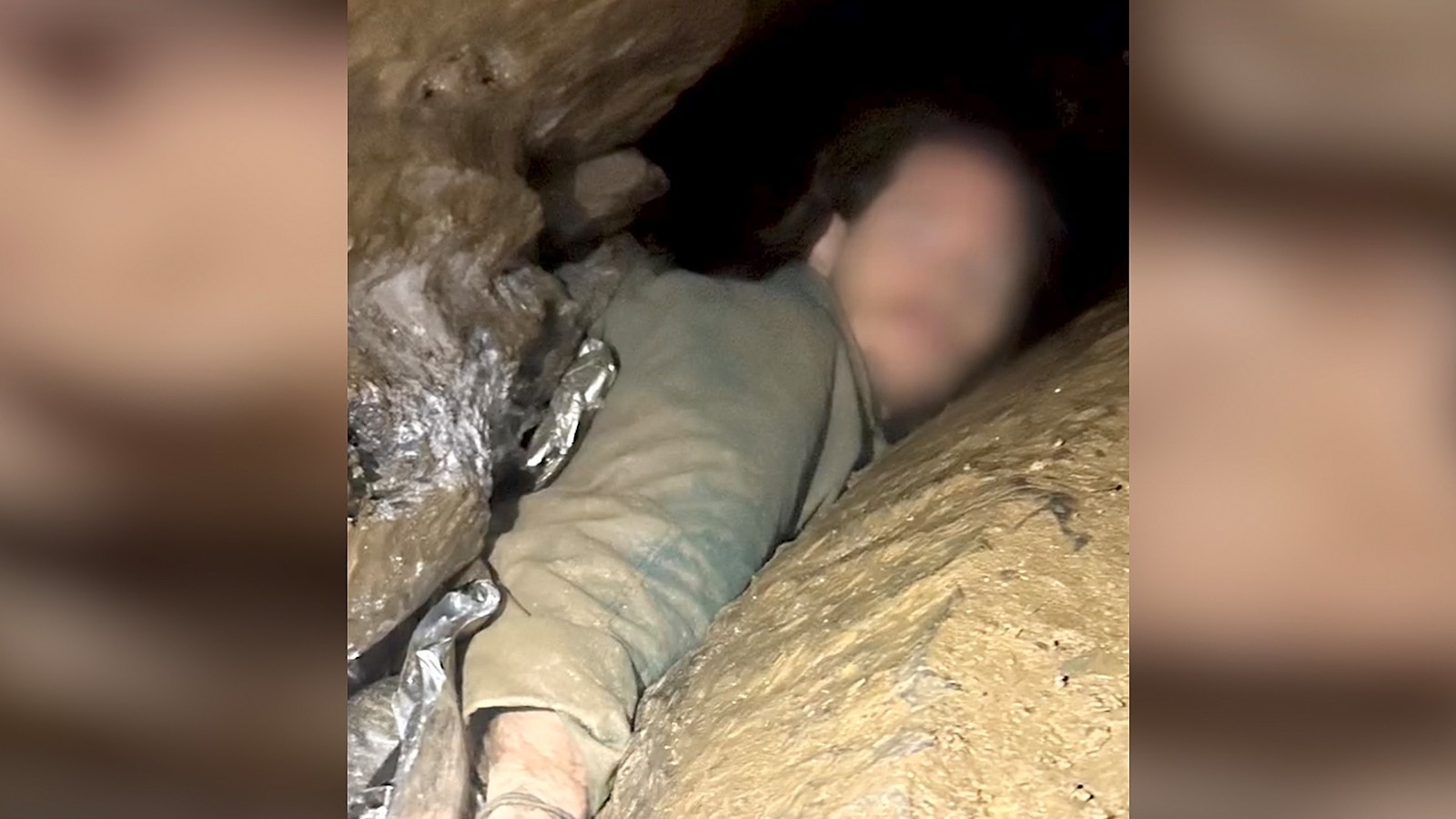
A hiker from Brooklyn was rescued after becoming trapped in a crevice in Merlin’s Cave, located in Canaan, New York. The incident occurred on May 17, when the man, hiking with friends, slipped into a narrow space approximately 400 feet from the cave entrance. He remained immobilized for six hours before being rescued by forest rangers from the New York State Department of Environmental Conservation (DEC).
According to Forest Ranger Lieutenant John Gullen, who led the rescue operation, the situation was more severe than initially expected. The hiker was wedged in a crevice that matched his body shape almost perfectly, making extraction challenging. Gullen noted that the man’s friends had attempted to assist him but were also at risk of hypothermia due to the cave’s cold and humid environment, which hovers around 50 degrees Fahrenheit.
Rescue Operation Details
The rescue team faced significant obstacles as they worked to free the trapped hiker. Gullen explained that cave rescues often lead to hypothermia, especially when individuals are unable to move for extended periods. The atmosphere within the cave is characterized by high humidity, which can exacerbate the cold conditions.
Upon arrival, the rescue crew used a rock drill to carefully remove portions of the surrounding stone. This process required precision, as they worked just inches from the hiker’s head and back. Gullen described the moment of extraction as a relief, stating, “Once we were able to get to a point where we could high-five, we were high-fiving.” The hiker maintained a positive demeanor throughout the ordeal, providing encouragement to his rescuers by giving thumbs up and sharing jokes.
Health Risks in Cave Environments
Rescue operations in caves present unique challenges, particularly concerning health risks like hypothermia. According to Gullen, the conditions inside caves can quickly lead to dangerous situations if individuals are not adequately prepared. The combination of low temperatures and high humidity can lead to rapid heat loss, especially for those who are inactive.
In this case, the hiker’s friends, who remained with him during the rescue, also showed signs of hypothermia. Their attempts to assist him before professional help arrived were commendable but ultimately highlighted the risks of cave exploration without proper precautions.
The Aftermath of the Rescue
After being freed from the crevice, the hiker was able to walk out of the cave on his own after receiving warmth and care from the rescue team. The successful extraction not only highlights the skills of the forest rangers but also serves as a reminder of the potential dangers associated with hiking in cave systems.
Gullen expressed gratitude for the outcome, emphasizing the emotional satisfaction of a successful rescue. He stated, “It’s a feeling that I wish everyone could experience, because there’s nothing like it.” The incident serves as a testament to the importance of preparedness and awareness when engaging in outdoor activities.
Lessons Learned from the Incident
This rescue operation underscores the need for hikers to be aware of their surroundings and the risks involved in exploring caves. Proper gear, including clothing suited for cold and wet environments, is essential for safety. Additionally, having a plan and informing others of hiking routes can be critical in emergencies.
As outdoor activities continue to gain popularity, it is vital for individuals to understand the inherent risks and take necessary precautions to ensure their safety and the safety of their companions.
Frequently Asked Questions
What happened to the hiker in the cave?
The hiker became trapped in a crevice while hiking in Merlin’s Cave and was immobilized for six hours before being rescued.
How did the rescue team free the hiker?
The rescue team used a rock drill to carefully remove parts of the surrounding stone, allowing the hiker to wiggle free.
What risks are associated with cave hiking?
Cave hiking can lead to hypothermia due to cold temperatures and high humidity, especially if individuals become immobilized.
What should hikers do to prepare for cave exploration?
Hikers should wear appropriate clothing for cold and wet conditions, inform others of their plans, and be aware of the risks involved in cave exploration.
How did the hiker maintain his morale during the rescue?
The hiker maintained a positive attitude, engaging with rescuers by giving thumbs up and sharing jokes throughout the ordeal.
For more updates, visit QuickFeedNews.
Source: ABC News



Leave a Reply