President Donald Trump’s emerging proposal to end the ongoing conflict with Iran is facing significant backlash from several Republican lawmakers who advocate for a tougher stance against Tehran. Critics within the party express concerns that the proposed deal could undermine efforts to contain Iran, a long-time adversary in the Middle East, and potentially allow it to strengthen its influence in the region.
The criticism comes in the wake of Trump’s assertion that the deal has been “largely negotiated,” prompting skepticism from various Republican senators, former Cabinet members, and conservative analysts. They worry that the terms currently known could render the sacrifices made during the conflict meaningless, raising alarms about the future of U.S. foreign policy in the region.
Key Republican Voices Against the Deal
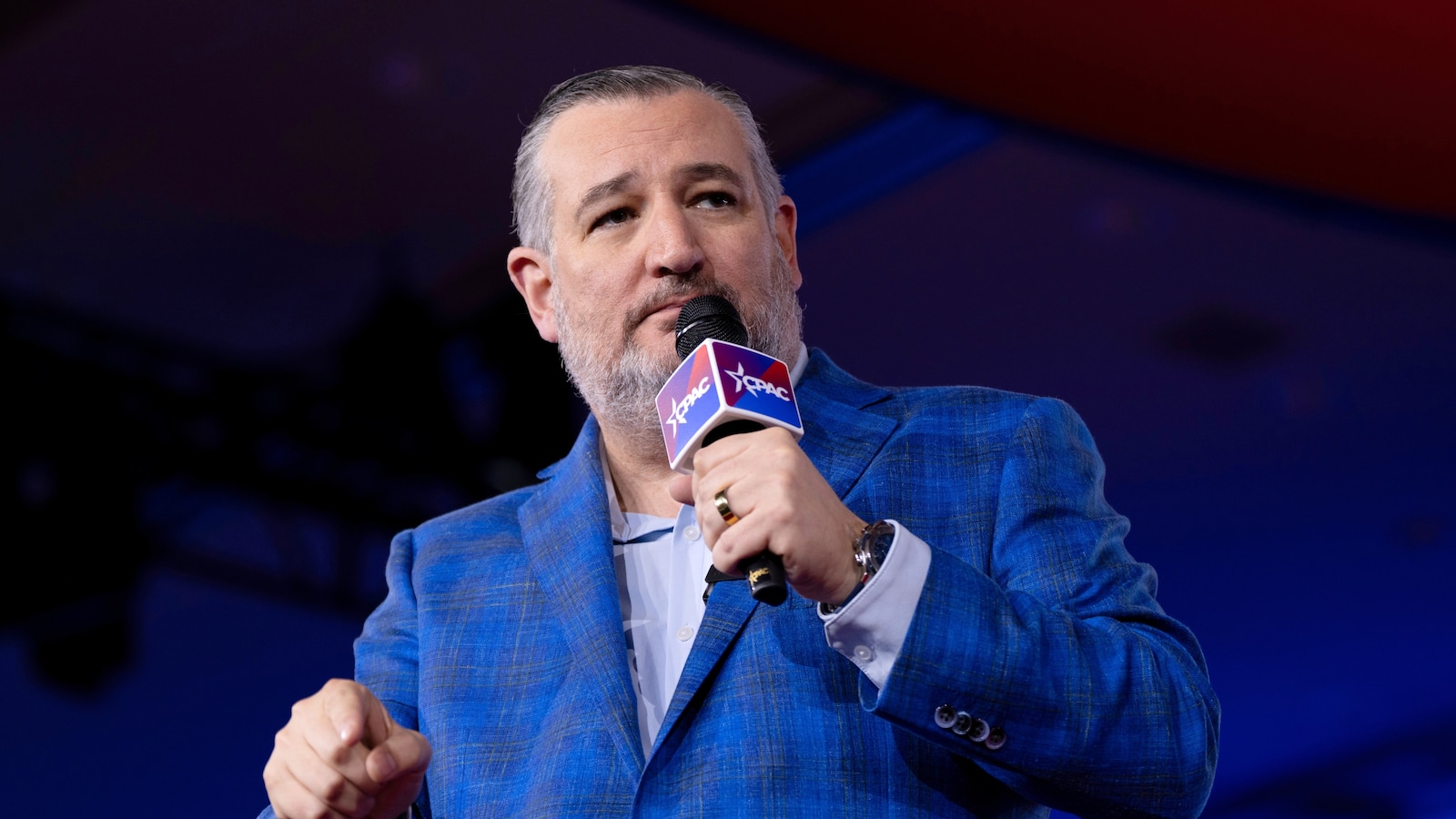
Senator Ted Cruz of Texas, a prominent figure in the GOP, articulated his concerns by labeling Trump’s decision to strike Iran as the “most consequential” of his second term. Cruz emphasized that any deal allowing the Iranian regime, which he claims continues to chant anti-American slogans, to receive substantial financial resources and develop nuclear capabilities would be a grave error. He expressed these sentiments on the social media platform X, urging the president to reconsider.
Senator Lindsey Graham of South Carolina, known for his close ties to Trump, echoed similar sentiments, criticizing any arrangement that would leave Iran in a position of regional dominance. He highlighted the risks associated with Iran retaining its ability to threaten oil infrastructure in the Gulf.
Additionally, Senator Roger Wicker, chairman of the Senate Armed Services Committee, questioned the rationale behind a proposed 60-day ceasefire, calling it a potential “disaster” that could negate the achievements of recent military operations.
Trump’s Response to Criticism
In response to the mounting criticism, Trump defended his proposal, suggesting that detractors are uninformed about the negotiations. He stated that the deal is not yet finalized, urging patience as both sides work towards an agreement. Trump characterized the emerging deal as fundamentally different from the nuclear agreement negotiated under the Obama administration, from which he withdrew, asserting that it represents a more favorable outcome for the United States.
Trump also emphasized that a U.S. military blockade of Iranian ports would remain in effect until a formal agreement is reached, underscoring his administration’s commitment to maintaining pressure on Tehran.
Details of the Proposed Deal
According to reports, the emerging proposal entails ending the conflict and requiring Iran to reopen the Strait of Hormuz while relinquishing its stockpile of highly enriched uranium. The specifics of the deal, including timelines and conditions, are expected to be negotiated over a subsequent 60-day period. This proposal comes amidst growing public discontent regarding the war, which has reportedly cost U.S. taxpayers at least $29 billion and resulted in the deaths of thirteen service members.
The conflict, which began on February 28, has had significant implications for global energy markets, particularly due to Iran’s closure of the Strait of Hormuz, a critical transit route for approximately 20% of the world’s oil supply. This closure has contributed to rising prices for gasoline and other goods worldwide, adding to the urgency of resolving the situation.
Public Sentiment and Political Implications
Polls indicate that the war is increasingly unpopular among the American public, with many citizens expressing a desire for a swift resolution. The political landscape for Trump and the GOP may be affected by how this proposal is perceived, particularly as the party grapples with internal divisions over foreign policy strategies.
As the situation develops, the implications of Trump’s proposal could significantly influence U.S.-Iran relations and the broader geopolitical landscape in the Middle East. The outcome of the negotiations and the reactions from both Republican lawmakers and the public will likely shape the narrative surrounding U.S. foreign policy in the region.
Frequently Asked Questions
What is Trump’s emerging proposal regarding the Iran war?
Trump’s proposal aims to end the Iran war, requiring Iran to reopen the Strait of Hormuz and give up its stockpile of highly enriched uranium.
Why are some Republicans critical of Trump’s proposal?
Critics fear the deal may empower Iran, allowing it to maintain its influence and nuclear capabilities, which they believe could be detrimental to U.S. interests.
How has Trump responded to the criticism?
Trump has defended the proposal, stating that it is not fully negotiated yet and urging critics to wait for the final terms before passing judgment.
What are the potential implications of the deal?
The deal could reshape U.S.-Iran relations and impact the geopolitical landscape in the Middle East, especially regarding energy markets and military presence.
How unpopular is the Iran war among the American public?
Polls indicate that the war is increasingly unpopular, with many Americans calling for a resolution, especially given the financial and human costs involved.
Source: ABC News


Leave a Reply