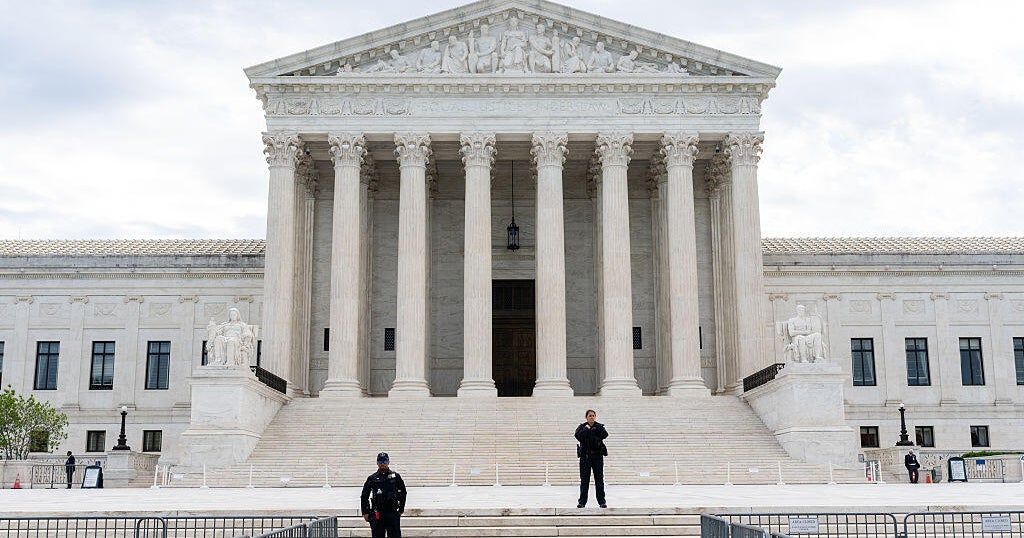
In a significant ruling, the Supreme Court has sided with Terry Pitchford, a Black death row inmate from Mississippi, who claimed racial discrimination during the jury-selection process of his trial. The decision, which was split 5-4, reflects ongoing concerns about racial bias in the criminal justice system, particularly in capital cases. Chief Justice John Roberts and Justice Brett Kavanaugh joined the three liberal justices in the majority, while four conservative justices dissented.
The case, known as Pitchford v. Cain, stems from a 2004 incident where Pitchford and another teenager were involved in the robbery of a grocery store in Grenada, Mississippi, resulting in the death of the store owner, Reuben Britt. While Pitchford was charged with capital murder and faced the death penalty, his co-defendant, Eric Bullins, who fired the fatal shots, was only 16 years old at the time and thus spared from capital punishment.
Background of the Case
During the jury selection process, the then-District Attorney Doug Evans exercised a peremptory strike to exclude four out of five potential Black jurors. Pitchford’s defense team objected to these exclusions, citing the Supreme Court’s ruling in Batson v. Kentucky, which prohibits the exclusion of jurors based on race. Despite the defense’s objections, the trial judge accepted Evans’ justifications for the exclusions as race-neutral.
Legal Proceedings and Appeals
Pitchford’s legal team argued that they were not allowed to adequately challenge the prosecutor’s reasons for striking the Black jurors, which is a requirement under the Batson framework. Ultimately, a jury composed of 11 White jurors and one Black juror convicted Pitchford of capital murder, leading to a death sentence. After his conviction, Pitchford appealed to the Mississippi Supreme Court and subsequently to a federal district court, which ruled in his favor, citing procedural failures in the trial court’s handling of the jury selection.
Supreme Court’s Decision
The U.S. Court of Appeals for the 5th Circuit reversed the district court’s decision, prompting Pitchford to appeal to the Supreme Court. In the majority opinion authored by Justice Kavanaugh, the Court found that the trial court did not properly follow the necessary steps outlined in Batson, emphasizing that the breakdown in procedure likely influenced the outcome of the case. Kavanaugh noted that the trial court’s eagerness to proceed with the case contributed to the oversight in jury selection.
Dissenting Opinions
In dissent, Justice Neil Gorsuch argued that Pitchford did not meet the high threshold required for federal relief. He contended that the majority opinion misinterpreted both the law and the factual circumstances surrounding the case. Gorsuch characterized the ruling as narrow, indicating it applies specifically to Pitchford’s situation and does not set a broader precedent.
Implications of the Ruling
This ruling has significant implications for future cases involving claims of racial discrimination in jury selection. It underscores the importance of adhering to the procedural safeguards established by the Supreme Court to ensure fair trials. Pitchford’s case will now be retried by the state, and the outcome may influence how similar cases are handled in the future, particularly those involving racial dynamics in jury selections.
Conclusion
The Supreme Court’s decision to side with Pitchford highlights ongoing issues of racial discrimination within the judicial system, particularly in capital cases. As the legal landscape continues to evolve, the implications of this ruling will be closely monitored by legal experts, advocates, and those affected by similar circumstances.
Frequently Asked Questions
What was the basis of Terry Pitchford’s appeal?
Pitchford’s appeal was based on claims of racial discrimination during jury selection, arguing that the prosecutor improperly excluded Black jurors.
What is the significance of the Batson v. Kentucky ruling?
The Batson ruling prohibits the exclusion of jurors based on race and establishes a framework for challenging such exclusions in court.
What does the Supreme Court’s ruling mean for Pitchford?
The ruling invalidates Pitchford’s conviction, allowing for a retrial by the state, which may address the procedural issues raised in his original trial.
How did the justices vote on this case?
The Supreme Court’s decision was divided 5-4, with Chief Justice Roberts and Justice Kavanaugh joining the three liberal justices in the majority.
What could be the broader impact of this ruling?
This ruling may influence how future cases involving racial bias in jury selection are handled in courts across the country, emphasizing the importance of procedural fairness.
Source: CBS News




Leave a Reply