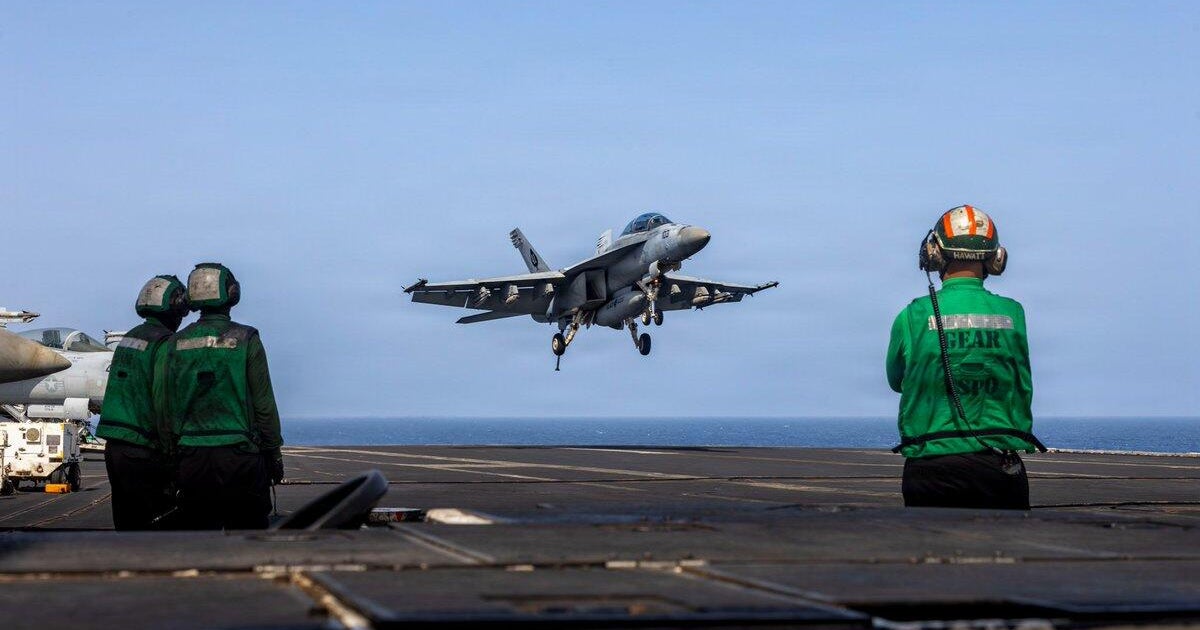
In a significant escalation of military tensions in the Middle East, Iran has reportedly fired a missile at a U.S. base located in Kuwait. This action comes in response to a second round of U.S. airstrikes, which the Pentagon has characterized as “purely defensive.” The strikes were part of ongoing U.S. military operations in the region, aimed at countering Iranian influence and activities.
The missile strike underscores the deteriorating relationship between the U.S. and Iran, particularly as the two nations navigate a complex web of military and diplomatic engagements. The recent U.S. strikes were executed following what officials described as provocations from Iranian forces, leading to heightened security concerns in the Gulf region.
Background on U.S.-Iran Relations
The relationship between the United States and Iran has been fraught with tension for decades, particularly since the U.S. withdrawal from the Joint Comprehensive Plan of Action (JCPOA) in 2018. Since then, Iran has gradually reduced its compliance with the nuclear agreement, leading to increased sanctions and military posturing from both sides. The current situation reflects a culmination of these ongoing tensions.
Details of the Recent U.S. Strikes
The Pentagon’s recent airstrikes, described as defensive, were aimed at Iranian assets believed to be involved in attacks against U.S. forces and allies in the region. U.S. officials have indicated that these strikes are part of a broader strategy to deter Iranian aggression and protect American interests in the Gulf.
Iran’s Response and Military Actions
In retaliation for the U.S. strikes, Iran has taken a more aggressive military stance, exemplified by the missile launch at the U.S. base in Kuwait. Iranian officials have framed these actions as necessary defenses against U.S. aggression, further complicating the already tense situation. The Iranian government has made statements emphasizing that their military responses are aimed at protecting national sovereignty.
International Reactions and Diplomatic Efforts
Amid these escalating military actions, diplomatic efforts are reportedly ongoing. A tentative agreement has been reached for a 60-day memorandum of understanding to extend a ceasefire and continue negotiations with Iran, pending approval from U.S. President Donald Trump. However, the success of these negotiations remains uncertain, particularly given the recent military actions.
U.S. Treasury Secretary Scott Bessent has also announced sanctions against Iran’s Persian Gulf Strait Authority, further tightening economic pressures on Iran. The sanctions are aimed at preventing any financial support for Iranian military operations in the strategically vital Strait of Hormuz.
Implications for Regional Stability
The ongoing military actions and diplomatic negotiations have significant implications for regional stability. The U.S. maintains that its military presence in the Gulf is essential for ensuring the safety of maritime routes and countering Iranian influence. Conversely, Iranian officials argue that U.S. involvement exacerbates tensions and undermines regional stability.
As military engagements continue and diplomatic negotiations unfold, the situation remains fluid, with potential repercussions for both U.S. and Iranian interests in the region. The international community is closely monitoring developments, as the stakes are high for both sides involved.
Frequently Asked Questions
What prompted Iran to fire a missile at the U.S. base in Kuwait?
The missile strike was a retaliation for recent U.S. airstrikes that targeted Iranian assets, which the U.S. described as defensive actions.
What are the current diplomatic efforts between the U.S. and Iran?
A tentative agreement for a 60-day ceasefire and negotiations has been reached but is pending approval from President Trump.
How have U.S. sanctions affected Iran?
Recent sanctions have targeted Iran’s Persian Gulf Strait Authority, aiming to restrict financial support for military operations and further straining the Iranian economy.
What is the significance of the Strait of Hormuz in this conflict?
The Strait of Hormuz is a critical maritime route for global oil shipments, making it a focal point in U.S.-Iran tensions and military strategies.
What are the potential consequences of this escalation?
The escalation may lead to further military conflicts, impact regional stability, and complicate ongoing diplomatic negotiations between the U.S. and Iran.
Source: CBS News



Leave a Reply