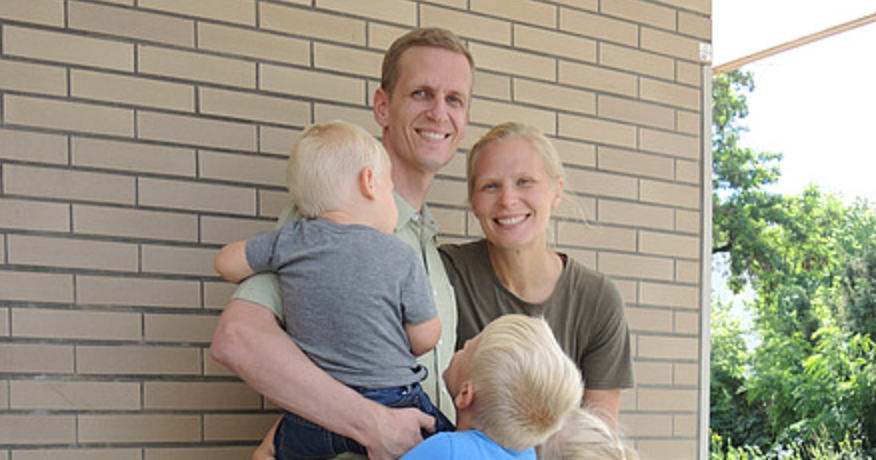
Dr. Peter Stafford, a U.S. doctor who contracted Ebola while on a humanitarian mission in the Democratic Republic of the Congo, has been released from a Berlin hospital after recovering from the virus. His recovery marks a significant achievement in the ongoing battle against Ebola, particularly as the Bundibugyo ebolavirus outbreak in Congo raises concerns among health officials.
Stafford was working with the missionary group Serge when he became infected with the virus during a surgical procedure at Nyankunde Hospital in Bunia, eastern Congo. He was evacuated to Charité hospital in Berlin on May 20, where he received specialized treatment. His wife, Rebekah, also a doctor volunteering with Serge, and their four children were evacuated and quarantined but did not develop symptoms of the virus.
Details of the Treatment and Recovery
At Charité hospital, one of Europe’s leading medical facilities, Stafford received antiviral therapy and supportive care. The hospital reported that his condition improved steadily throughout his treatment. By May 30, tests indicated that no virus was detectable in his system, leading to the lifting of his isolation order.
Leif Erik Sander, the director of the Department of Infectious Diseases and Critical Care Medicine at Charité, expressed satisfaction with the treatment’s outcome. He emphasized the collaborative effort of various medical specialties that contributed to Stafford’s recovery. Stafford himself expressed deep gratitude for the care he received, highlighting the disparity in medical access for those affected by Ebola in Congo.
Current Ebola Outbreak in Congo and Uganda
The Bundibugyo ebolavirus outbreak, which has also affected neighboring Uganda, is causing alarm among health officials. As of the latest updates, there have been 452 confirmed cases and 82 deaths in Congo, while Uganda has reported 19 cases and two deaths. The Bundibugyo strain is notably less common than the Zaire strain and lacks available vaccines or treatments, complicating the public health response.
Health authorities are concerned that the actual number of cases may be higher than reported, underscoring the need for vigilance and robust healthcare responses in the region. The outbreak’s spread highlights the ongoing challenges faced by healthcare workers in remote areas, particularly in managing infectious diseases with limited resources.
Impact on Healthcare Workers
Stafford’s case is not isolated; another doctor, Dr. Patrick LaRochelle, who was also working with Serge, was potentially exposed to the virus. LaRochelle was reported to be asymptomatic and in quarantine in Prague. This situation emphasizes the risks faced by healthcare professionals working in outbreak zones and the importance of immediate medical intervention and monitoring.
Future Implications for Ebola Treatment
The successful recovery of Dr. Stafford may provide insights into treatment protocols for Ebola, particularly regarding the use of antiviral therapies that are currently being trialed. As health officials continue to monitor the outbreak, the experiences of treated patients could inform future responses to similar health crises.
Conclusion
Dr. Peter Stafford’s recovery serves as a beacon of hope amid the ongoing Ebola outbreak in Congo and Uganda. His experience underscores the critical nature of healthcare access and the need for continued support for those affected by the virus. As the situation evolves, health authorities are likely to focus on improving outbreak response strategies and ensuring that healthcare workers are protected while they provide essential services.
Frequently Asked Questions
What caused Dr. Stafford’s Ebola infection?
Dr. Stafford contracted Ebola while performing surgery at Nyankunde Hospital in Bunia, Congo.
How was Dr. Stafford treated for Ebola?
He received antiviral therapy and supportive care at Charité hospital in Berlin.
What is the current status of the Ebola outbreak in Congo?
The outbreak has resulted in 452 confirmed cases and 82 deaths in Congo, with concerns about underreporting.
Are there vaccines for the Bundibugyo strain of Ebola?
No, there are currently no vaccines or specific treatments available for the Bundibugyo strain.
What precautions are being taken for other exposed healthcare workers?
Healthcare workers like Dr. Patrick LaRochelle are monitored and quarantined to prevent further spread of the virus.
Source: Source

Leave a Reply