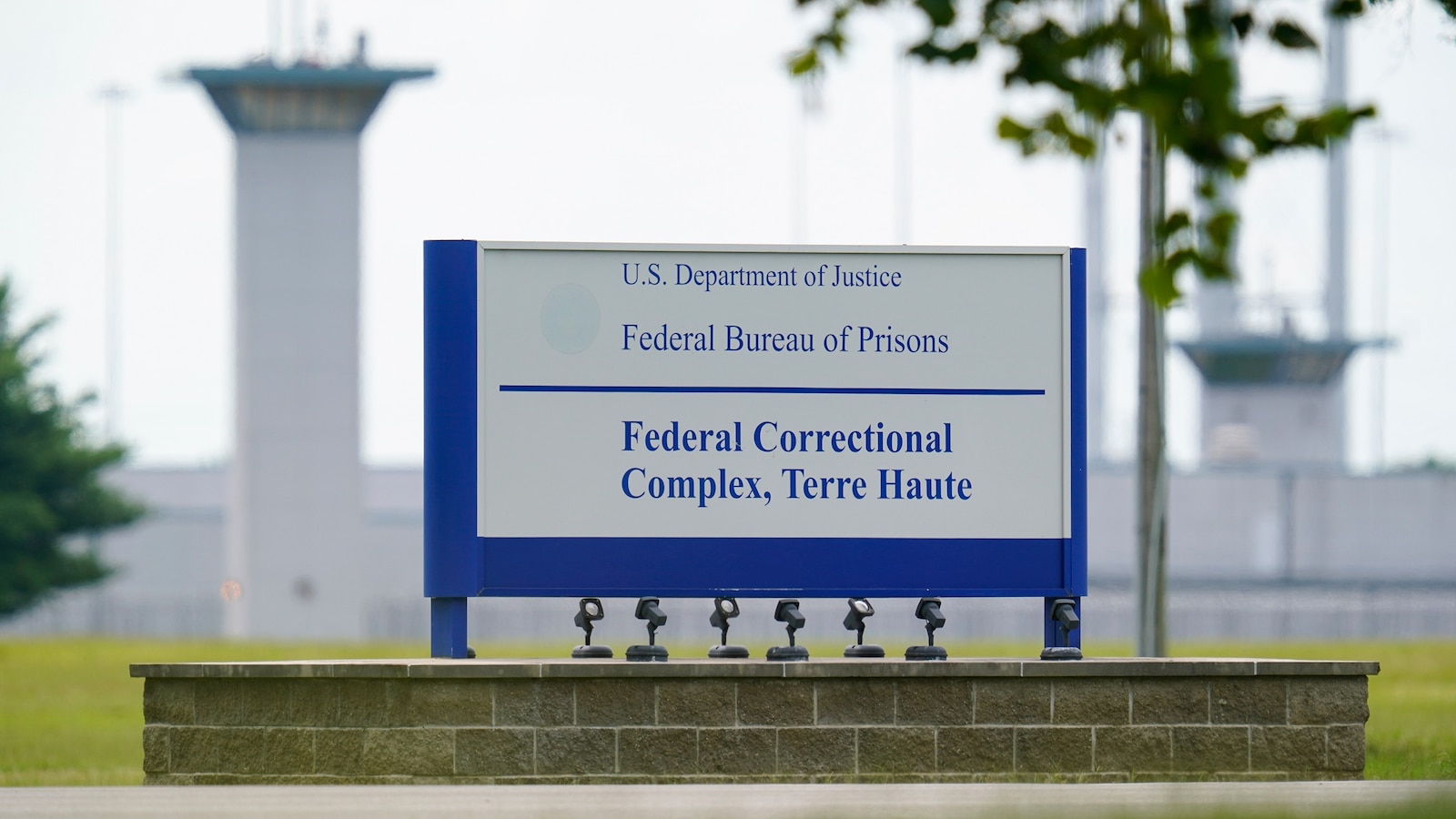
The U.S. Army is preparing to execute four death-row inmates if ordered by the president, according to an internal document reviewed by ABC News. This development is significant as it would mark the first military executions in over 50 years, a move that could reignite discussions around capital punishment within the armed forces. The planning for these executions is part of a broader strategy known as “Operation Resolute Justice,” which outlines the procedures for transferring inmates from the U.S. Disciplinary Barracks at Fort Leavenworth, Kansas, to the federal execution facility in Terre Haute, Indiana.
The Army’s preparations reflect a response to potential directives from the White House, particularly under the administration of former President Donald Trump, who has previously indicated support for reinstating the death penalty within the federal system. This situation raises questions about the future of military justice and the role of capital punishment in the armed forces.
Details of Operation Resolute Justice
According to the internal document, the Army has established a timeline for executing death-row inmates, stating that executions could take place within 150 days following presidential approval. This plan includes coordination with the Federal Bureau of Prisons and outlines the necessary logistics, such as inmate transfer and public communication strategies surrounding the executions.
Cynthia Smith, an Army spokesperson, clarified that the planning exercises are routine and have been conducted for the past two decades. These drills are part of the Army’s standard operational procedures to ensure readiness for any presidential orders regarding death sentences.
Historical Context of Military Executions
Military executions have been rare in the United States, with the last execution occurring in 1961 when Pvt. John Bennett was put to death. The current four inmates on death row include individuals convicted of serious crimes, such as Ronald Gray, who was found guilty of multiple counts of murder and rape in 1988. The revival of military executions could set a precedent, especially as the Army has not executed a service member in over half a century.
Political Implications and Reactions
The White House has not provided a clear indication of whether Trump will approve the execution of any military inmates. Previous administrations, including that of Barack Obama, had taken steps to halt federal executions, with Obama commuting the death sentence of Dwight Loving, a military inmate. In contrast, Trump’s administration has shown a commitment to reinstating capital punishment, as evidenced by his executive order on his first day back in office.
Defense Secretary Pete Hegseth has been vocal about his support for executing Nidal Hasan, who was sentenced to death for the 2009 Fort Hood shooting. Hegseth stated his commitment to ensuring that justice is served without delays, emphasizing the need for closure for the victims and their families.
Future of Capital Punishment in the Military
The Army’s current preparations for executions come amid broader changes in federal execution policies, including the introduction of new execution methods. In April, the Justice Department announced steps to expedite the execution process, which could further influence military practices. As discussions around capital punishment evolve, the implications of these preparations will likely resonate across both military and civilian justice systems.
Conclusion
The Army’s groundwork for potential executions underscores a significant shift in military policy regarding capital punishment. As the situation develops, it will be essential to monitor the responses from the White House and the broader implications for military justice.
Frequently Asked Questions
What is “Operation Resolute Justice”?
Operation Resolute Justice is the Army’s internal plan for executing death-row inmates, detailing procedures for inmate transfer and execution logistics.
How many death-row inmates are currently in the military system?
There are currently four death-row inmates in the military system, including Ronald Gray and Nidal Hasan.
When was the last military execution conducted?
The last military execution occurred in 1961, when Pvt. John Bennett was executed for murder.
What role does the president play in military executions?
The president must approve any military execution, even if a military court has imposed a death sentence.
How has the Biden administration approached federal executions?
The Biden administration has paused federal executions, contrasting with the previous administration’s efforts to expedite them.
Source: ABC News



Leave a Reply