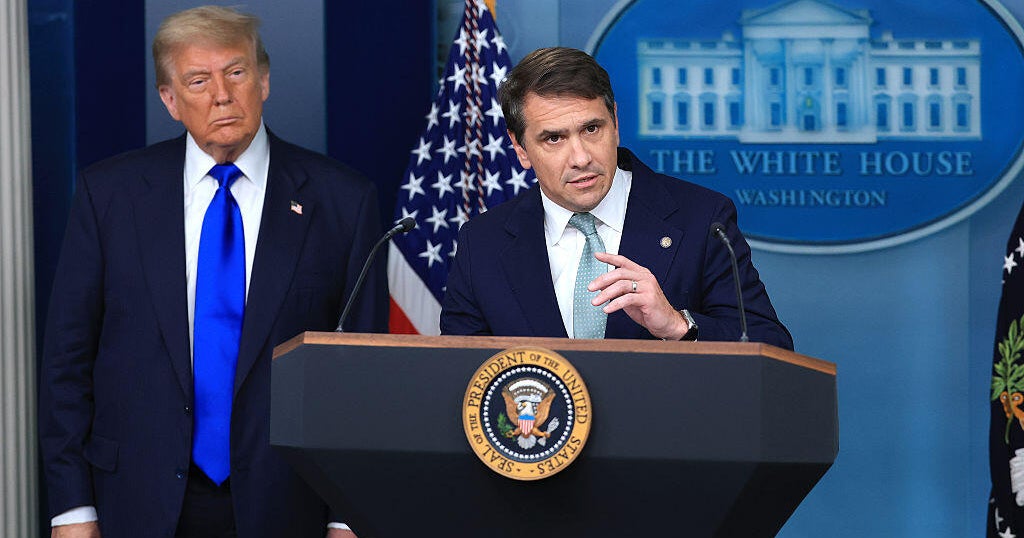
The Trump administration has announced an unprecedented initiative to revoke the citizenship of 17 individuals accused of immigration fraud, marking the largest effort of its kind in U.S. history. This move expands an ongoing campaign that has intensified since President Trump took office, with a focus on tightening immigration enforcement and addressing perceived abuses of the naturalization process. The Justice Department revealed this plan, highlighting a significant shift in how denaturalization powers are being utilized.
Historically, denaturalization cases have been rare, with the Justice Department averaging only 11 legal complaints per year from 1990 to 2017. However, under the current administration, there has been a marked increase in such actions, reflecting a broader strategy to crack down on both illegal and legal immigration. The latest announcement follows a previous round of denaturalization cases announced last month, which at the time was considered the largest effort in years.
Details of the Denaturalization Cases
The individuals targeted in this latest effort include a mix of serious offenders and those accused of fraud. Among them are a Haitian immigrant charged with sexually abusing his daughter, a man from the former Yugoslavia convicted of child sexual abuse, and a Mexican immigrant involved in the distribution of sexually explicit images of minors. Other cases involve individuals accused of fraud, including a former Catholic priest from Colombia and a Filipino man who pleaded guilty to a child sex crime.
The Justice Department has filed complaints asserting that these individuals concealed their criminal histories or otherwise failed to meet the criteria for naturalization, particularly the requirement of having “good moral character.” This legal framework allows the government to pursue denaturalization against foreign-born citizens who allegedly obtained their citizenship through fraudulent means.
Legal Framework and Implications
Denaturalization is a complex legal process that requires the government to prove its case in federal court, arguing that the individual in question is not entitled to citizenship due to fraud or other disqualifying factors. If successful, these individuals would revert to their previous immigration status, typically as permanent residents, losing the rights and protections that come with U.S. citizenship, including protection from deportation.
Acting Attorney General Todd Blanche emphasized the administration’s commitment to holding accountable those who abuse the naturalization process. He stated, “Criminal aliens are lying about their past crimes, including drug dealers, sexual predators, and fraudsters.” This sentiment was echoed by Homeland Security Secretary Markwayne Mullin, who asserted that American citizenship is a privilege that must be earned honestly.
The Broader Context of Immigration Policy
This denaturalization campaign is part of a larger strategy by the Trump administration to enhance immigration enforcement. The administration has sought to broaden the categories of individuals considered for denaturalization, aiming to address what it perceives as an urgent need to rectify past immigration decisions that were made under false pretenses. This approach aligns with the administration’s broader agenda to enforce stricter immigration laws and promote a narrative of zero tolerance for immigration-related fraud.
Potential Challenges Ahead
The targeted individuals have the right to challenge the government’s filings in court, which could lead to lengthy legal battles. The denaturalization process is not only a legal challenge for those affected but also raises broader questions about the implications of such policies on immigrant communities and the naturalization process overall. As the administration continues to pursue these cases, the outcomes may set significant precedents for future denaturalization efforts.
Conclusion
The Trump administration’s announcement of its largest-ever denaturalization effort underscores a significant shift in U.S. immigration policy, focusing on alleged fraud among naturalized citizens. As this initiative unfolds, it will be crucial to monitor both the legal proceedings that follow and the broader implications for citizenship and immigration in the United States.
Frequently Asked Questions
What is denaturalization?
Denaturalization is the legal process through which the government seeks to revoke the citizenship of individuals who allegedly obtained it through fraud or misrepresentation.
How many individuals are targeted in this effort?
The current denaturalization effort targets 17 individuals accused of various forms of immigration fraud.
What are the consequences of denaturalization?
If denaturalized, individuals lose their citizenship and revert to their previous immigration status, typically as permanent residents, losing protections against deportation.
Can individuals challenge their denaturalization?
Yes, those targeted have the right to challenge the government’s filings in federal court.
What has changed in U.S. immigration policy under the Trump administration?
The Trump administration has significantly increased the number of denaturalization cases and broadened the criteria for targeting individuals, reflecting a tougher stance on immigration enforcement.
Source: CBS News




Leave a Reply