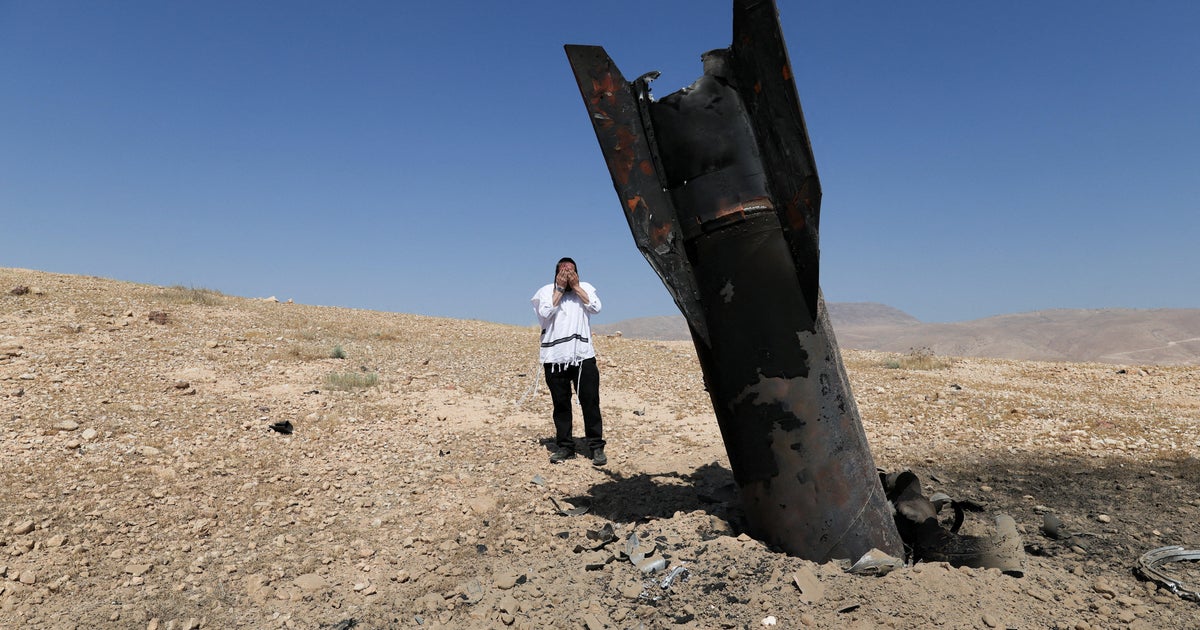
In a significant development amid escalating tensions in the Middle East, Iran and Israel have declared a halt to their recent hostilities following a call for an immediate ceasefire from U.S. President Donald Trump. This announcement comes after a period of intense conflict, marking a pivotal moment in the ongoing 101-day war that has seen both nations engaged in a series of military exchanges.
The escalation began with Israeli airstrikes on targets in southern Beirut, which prompted Iran to retaliate with missile strikes aimed at Israel. The situation escalated further as Israel targeted Iranian military sites in response to these attacks, raising fears of a broader conflict. However, President Trump’s intervention appears to have played a crucial role in de-escalating the situation.
Details of the Ceasefire Agreement
Following Trump’s call for peace, which he made public through a post on Truth Social, both nations announced a cessation of hostilities. Iran’s military stated it would halt operations contingent upon Israel ceasing its attacks, particularly in southern Lebanon. In a statement, Israeli Prime Minister Benjamin Netanyahu confirmed that Israel would also stop its attacks on Iran and Hezbollah, although he emphasized that the struggle against these adversaries was not over.
Context of U.S.-Iran Relations
This ceasefire comes against the backdrop of a fragile U.S.-Iran ceasefire agreement established in early April. The recent exchanges of fire marked the first significant military confrontations since that ceasefire took effect. The relationship between President Trump and Netanyahu has reportedly become strained, with recent conversations between the two leaders reflecting increasing tensions. Trump has been quoted as expressing frustration with Netanyahu in private discussions.
Reactions from Israeli Leadership
Despite the announced ceasefire, Israeli officials have indicated a commitment to continue military operations against Hezbollah in Lebanon. Israel’s Minister of Defense, Israel Katz, stated that the Israel Defense Forces would persist in their efforts to combat Hezbollah, warning that any Iranian attempts to link the conflicts would be met with force. Katz’s comments underscore Israel’s determination to maintain a strong stance against perceived threats from both Iran and Hezbollah.
Implications of the Halt in Fighting
The temporary cessation of hostilities raises questions about the future dynamics of the region. While both Iran and Israel have agreed to pause military actions, the underlying tensions remain unresolved. Netanyahu’s assertion that Iran and Hezbollah are weaker than ever suggests a strategic calculation on Israel’s part, but the potential for renewed conflict remains high, especially if either side perceives an opportunity or provocation.
Potential Risks Ahead
Iran’s military has warned that should hostilities resume, particularly in southern Lebanon, it would respond with “much more severe and crushing measures” than before. This statement indicates that while a ceasefire is currently in place, the potential for escalation remains a significant concern for regional stability. The situation is fluid, and the international community will be watching closely to see how both nations navigate this fragile peace.
Frequently Asked Questions
What triggered the recent escalation between Iran and Israel?
The escalation was triggered by Israeli airstrikes on southern Beirut, which led to Iranian missile attacks on Israel, followed by further Israeli retaliatory strikes.
What role did President Trump play in the ceasefire?
President Trump called for an immediate ceasefire between Iran and Israel, which prompted both nations to halt their military operations.
What are the implications of the ceasefire for regional stability?
While the ceasefire may reduce immediate tensions, the underlying issues remain unresolved, and both nations have indicated a willingness to resume hostilities if provoked.
How has the relationship between the U.S. and Israel been affected?
The relationship has reportedly become strained, with Trump expressing frustration with Netanyahu during private conversations, which could impact future diplomatic efforts.
What warnings has Iran issued regarding future attacks?
Iran has warned that any continuation of hostilities, particularly in southern Lebanon, will result in severe retaliation.
Source: Source



Leave a Reply