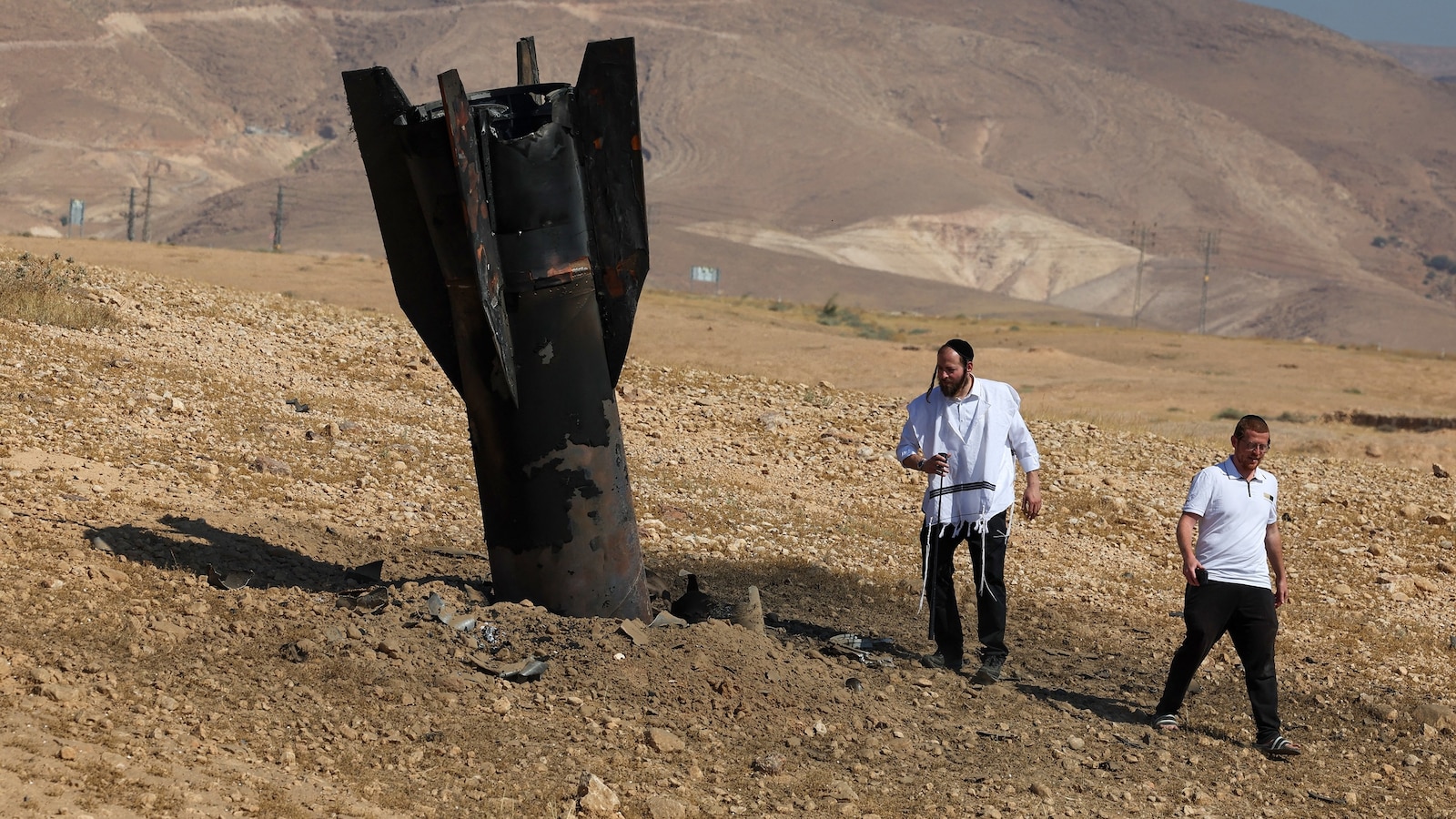
In a significant development in Middle Eastern geopolitics, Iran has declared it is halting its attacks on Israel following a call from President Donald Trump for a ceasefire. This announcement comes amid escalating tensions between the two nations, which have seen a series of retaliatory strikes over the past few days. The situation remains fluid, with implications for regional stability and international relations.
President Trump’s intervention appears to have played a crucial role in de-escalating the conflict. On February 28, he announced “major combat operations” against Iran, which included extensive joint U.S.-Israeli military strikes targeting various Iranian military, governmental, and infrastructural sites. This marked a significant escalation in U.S. involvement in the region, with both countries responding to provocations with military action.
Recent Military Exchanges
The recent hostilities began when Iran conducted strikes against Israel, which were met with retaliatory attacks from Israeli forces. Reports indicate that these exchanges were part of a broader strategy by Iran and its ally Hezbollah to assert their influence in the region. Israeli Prime Minister Benjamin Netanyahu stated that the struggle against Iran and Hezbollah is ongoing, emphasizing that while they are currently weaker, the threat they pose is not yet over.
Ceasefire and Diplomatic Efforts
Following the announcement of a two-week ceasefire, initial diplomatic talks between the U.S. and Iran in Pakistan failed to yield a peace agreement. In response to the continued tensions, President Trump extended the ceasefire indefinitely and maintained a U.S. blockade until negotiations can be successfully concluded. The ongoing diplomatic efforts are critical, as both sides seek to navigate the complexities of their relationship.
Iran’s Airspace and Travel Restrictions
In light of the conflict, Iran has temporarily closed its airspace, leading to the cancellation of all flights except for those at Mashhad International Airport, which remains open for Hajj returnees. This closure reflects the heightened security concerns within Iran as military operations continue to unfold. Iranian state television reported that the airspace is being reopened to “normal conditions,” although the implications of this remain uncertain.
Statements from Leaders
In a video statement, Netanyahu reiterated Israel’s right to self-defense, asserting that the country would continue to respond to threats as necessary. He expressed confidence in Israel’s military strength compared to its adversaries, indicating a commitment to protect national interests amid ongoing hostilities. Trump’s discussions with Netanyahu over the weekend further emphasize the close coordination between the U.S. and Israel in addressing the Iranian threat.
What Remains Unclear
While the cessation of attacks is a positive development, several questions remain unanswered. The long-term implications of the ceasefire on U.S.-Iran relations and regional stability are still uncertain. Additionally, the effectiveness of the diplomatic efforts initiated during the talks in Pakistan is yet to be seen, as both nations have a history of mistrust and conflicting interests.
As the situation evolves, the international community will be monitoring developments closely, particularly regarding any further military actions or diplomatic breakthroughs.
Frequently Asked Questions
What prompted Iran to halt its attacks on Israel?
Iran’s decision to stop its attacks followed a call for a ceasefire from President Trump amid escalating military tensions between the two nations.
What were the recent military actions between Iran and Israel?
Iran conducted strikes against Israel, which were met with retaliatory strikes from Israeli forces, marking a significant escalation in their ongoing conflict.
What is the status of U.S.-Iran diplomatic talks?
Initial talks in Pakistan aimed at reaching a peace agreement have failed, leading to an indefinite extension of the ceasefire and U.S. blockade.
How has the conflict affected air travel in Iran?
Iran has closed its airspace, canceling all flights except for those at Mashhad International Airport, which remains operational for Hajj returnees.
What are the implications of Netanyahu’s statements?
Netanyahu’s comments emphasize Israel’s commitment to self-defense and its ongoing struggle against Iran and Hezbollah, indicating that tensions may persist despite the ceasefire.
Source: ABC News



Leave a Reply