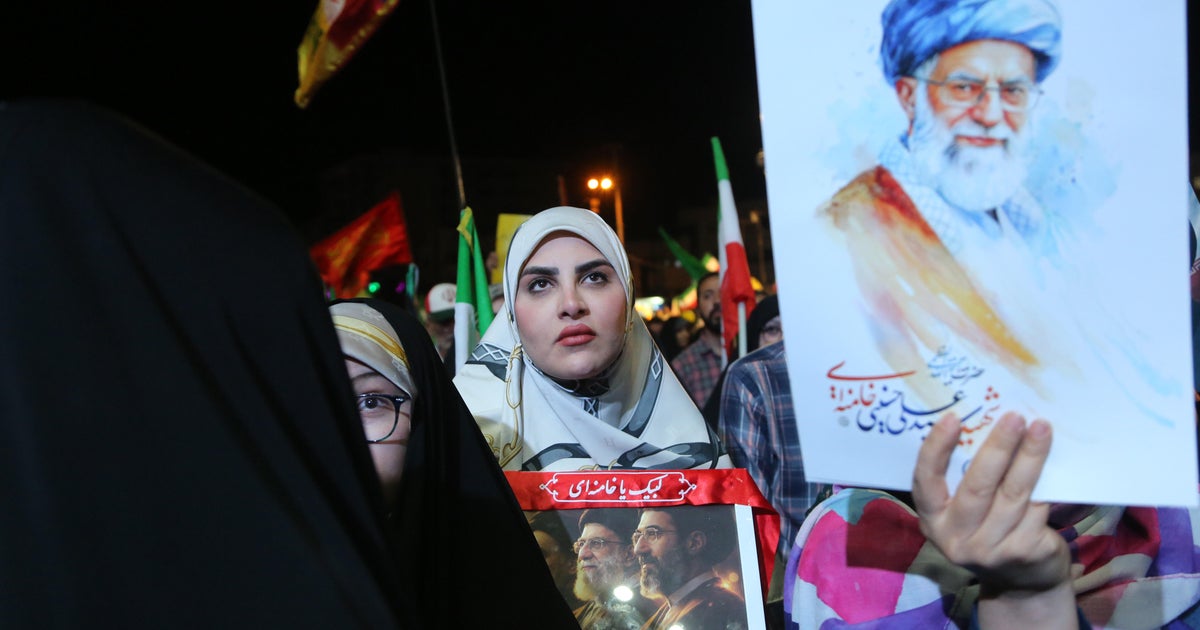
In a significant escalation of tensions in the Middle East, Iran has announced the halt of peace talks with the United States, citing ongoing military actions by Israel in Lebanon. The Iranian Revolutionary Guard Corps (IRGC) issued a warning for residents in northern Israel to evacuate their homes in anticipation of potential Israeli strikes in southern Beirut. This development follows Israeli Prime Minister Benjamin Netanyahu’s order for military operations targeting Hezbollah, an Iran-aligned group based in Lebanon.
The situation has intensified as Israel continues its offensive against Hezbollah, which has reportedly resulted in over 3,000 casualties since March. Iran’s state media, closely aligned with the IRGC, stated that the Israeli actions represent a breach of the ceasefire agreement between the U.S. and Iran, thereby justifying the cessation of diplomatic discussions.
Warnings from Iran’s Revolutionary Guard
The IRGC’s warning for residents to evacuate northern Israel indicates a shift in the regional military dynamics. The paramilitary force emphasized that failure to heed this warning could lead to harm, suggesting a readiness to escalate military responses if Israel proceeds with its planned attacks.
Israel’s Military Actions in Lebanon
Israeli forces have intensified their military operations, targeting what they describe as “terror headquarters” in southern Beirut. Netanyahu’s directives come amidst a broader campaign against Hezbollah positions, marking Israel’s most significant military engagement in Lebanon in two decades. The Israeli government has framed these actions as necessary for national security, aiming to dismantle perceived threats from Hezbollah.
International Response and Canceled Diplomatic Missions
The escalating violence has prompted international concern, leading to the cancellation of a planned diplomatic visit by ministers from Germany and Norway to Beirut. The ministers were en route to express solidarity with the Lebanese people but had to abort their mission due to the deteriorating security situation. This highlights the challenges faced by international actors attempting to mediate in the ongoing conflict.
U.S. Naval Operations in the Strait of Hormuz
As tensions rise, U.S. Central Command (CENTCOM) has been actively facilitating maritime security in the Strait of Hormuz, where a significant number of commercial vessels have transited in recent weeks. This operation aims to ensure safe passage through a critical shipping route, which is vital for global oil supplies. CENTCOM has provided guidance to vessels on navigating a safer path, distancing them from Iranian territorial waters.
Humanitarian Concerns Amid Conflict
The humanitarian implications of the ongoing conflict are severe, with reports of extensive civilian casualties and displacement in Lebanon. Norway’s development minister underscored the importance of international humanitarian law and the need for a ceasefire, stressing the necessity of showing solidarity with the Lebanese populace during this crisis.
As the situation continues to evolve, the implications for regional stability remain uncertain, with both Iran and Israel poised for further military engagements. The halt in U.S.-Iran talks complicates the potential for diplomatic resolutions, raising concerns about a broader conflict in the region.
Frequently Asked Questions
What prompted Iran to halt talks with the U.S.?
Iran halted talks with the U.S. in response to Israel’s military actions in Lebanon, which they view as a violation of the ceasefire agreement.
What actions has Israel taken in Lebanon recently?
Israel has intensified its military operations against Hezbollah, targeting locations in southern Beirut and claiming to dismantle terrorist infrastructure.
How has the international community reacted to the escalating conflict?
The international community has expressed concern, with diplomatic missions being canceled and calls for de-escalation and humanitarian support for affected civilians.
What is the current situation in the Strait of Hormuz?
The U.S. Central Command is actively ensuring the safe transit of commercial vessels through the Strait of Hormuz amidst rising tensions in the region.
What are the humanitarian implications of the conflict?
The conflict has resulted in significant civilian casualties and displacement, raising urgent humanitarian concerns in Lebanon.
For more updates, visit QuickFeedNews.
Source: CBS News


Leave a Reply