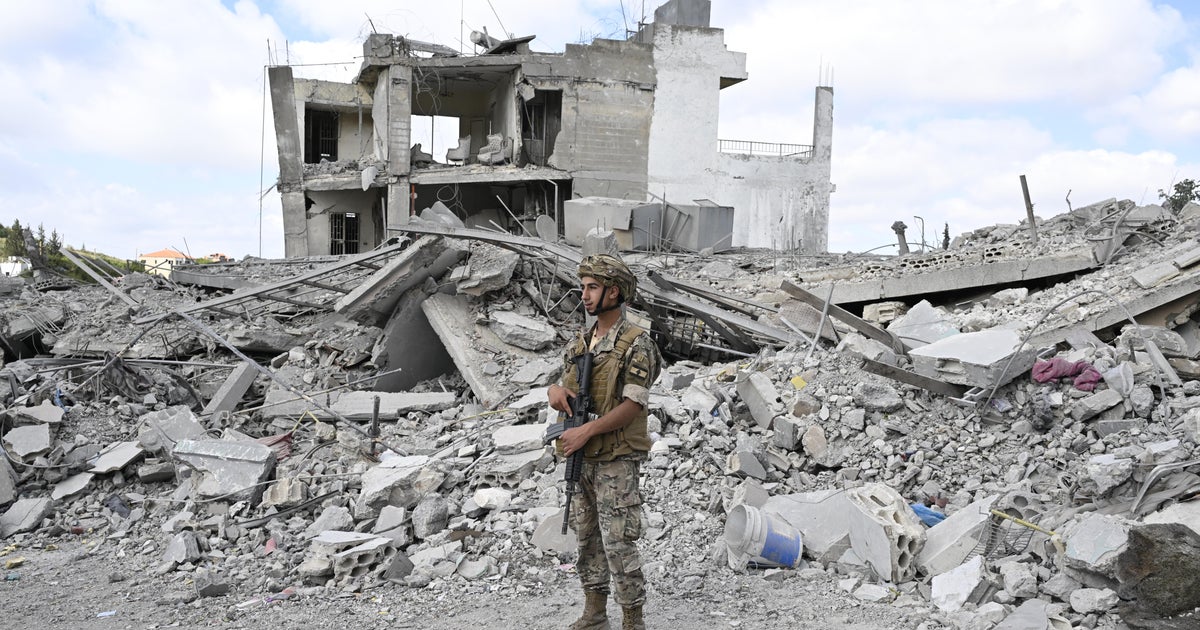
Amid ongoing tensions in the Middle East, Iran’s foreign minister has asserted that Israeli troops must withdraw from Lebanon as part of a pending agreement with the United States. This statement comes as negotiations are set to take place regarding a ceasefire and broader diplomatic efforts to stabilize the region. The implications of this demand are significant, as they highlight the fragile nature of the current ceasefire and the ongoing conflict involving Israel, Hezbollah, and Iran.
Iranian President Masoud Pezeshkian emphasized that while progress has been made towards a ceasefire, a final agreement has not yet been reached. He described the current memorandum of understanding as an “important step” but warned that military action remains a possibility if negotiations falter. This uncertainty underscores the precarious balance of power in the region and the potential for renewed conflict.
Details of the Proposed Agreement
The U.S.-Iran deal, which is expected to be formalized in Switzerland, includes a 60-day period for further negotiations, particularly concerning Iran’s nuclear program. However, the specifics of the memorandum have not been disclosed, leaving many details unclear. President Trump has indicated optimism regarding the negotiations, suggesting they could proceed quickly, yet the situation remains fluid.
Recent Escalations in Violence
Despite the ongoing discussions, violence has recently escalated in southern Lebanon. Reports indicate that Israeli airstrikes have resulted in multiple casualties, including at least four fatalities in the Nabatieh area. These strikes have raised tensions further, as Iranian officials have warned that continued Israeli military action would violate the emerging agreement.
Iran’s Position on Israeli Presence
Iran’s foreign minister has made it clear that any Israeli military presence in Lebanon, or further strikes after the agreement takes effect, would be seen as a breach of the deal. In contrast, Israeli officials, including National Security Minister Itamar Ben-Gvir, have stated that they intend to maintain their military presence in southern Lebanon, asserting their right to self-defense. This disagreement highlights the contentious nature of the negotiations and the differing perspectives of the involved parties.
International Reactions and Implications
The international community is closely monitoring the developments surrounding the U.S.-Iran negotiations. The lifting of a two-month naval blockade of Iranian ports, as announced by Iranian officials, is seen as a significant step towards easing tensions. However, the U.S. military has stated that the blockade remains until the formal signing of the agreement, which adds another layer of complexity to the situation.
Future Prospects for Peace
As the negotiations continue, both Iran and the U.S. are expressing hopes for a constructive diplomatic process. The Iranian government has been working with Oman to establish a new system for managing maritime traffic through the Strait of Hormuz, a critical waterway for global trade. The outcome of these negotiations could have far-reaching implications for regional security and economic stability.
In conclusion, the situation remains highly dynamic, with significant uncertainty surrounding the final terms of the U.S.-Iran agreement and the future of Israeli military operations in Lebanon. The coming days will be crucial in determining whether a lasting peace can be achieved or if tensions will escalate once more.
Frequently Asked Questions
What is the main demand from Iran regarding Israel’s military presence?
Iran insists that Israeli troops must withdraw from Lebanon as part of the pending U.S.-Iran agreement.
What recent actions have escalated tensions in Lebanon?
Israeli airstrikes in southern Lebanon have resulted in multiple fatalities, raising concerns over the potential violation of the emerging agreement.
What is the timeline for the U.S.-Iran negotiations?
The current agreement allows for a 60-day negotiation period, beginning with a formal signing expected in Switzerland.
How has the U.S. responded to the situation?
The U.S. has indicated a willingness to negotiate and has lifted a naval blockade of Iranian ports ahead of the agreement signing.
What role does Oman play in these negotiations?
Oman is working with Iran to establish a new system for managing maritime traffic through the Strait of Hormuz, indicating its involvement in regional stability efforts.
Source: CBS News
Leave a Reply