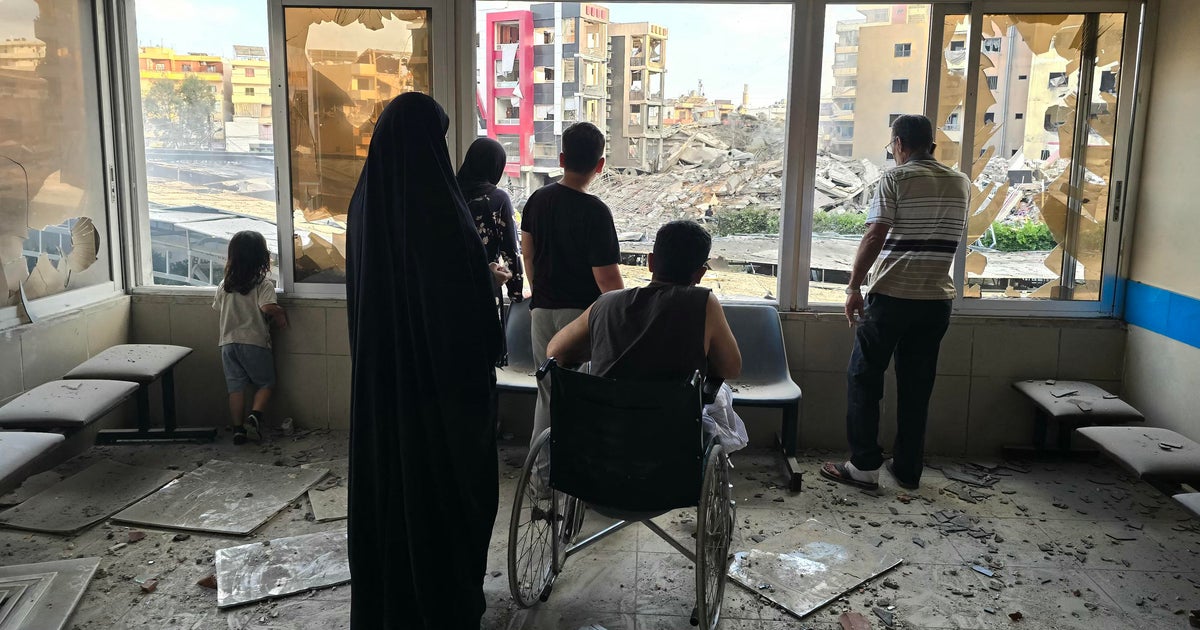
A senior Iranian officer has stated that a return to war with the United States seems “inevitable” as the conflict between Israel and Hezbollah continues. This warning comes at a time when Iran is grappling with unprecedented economic challenges, including year-on-year inflation levels not seen since World War II. The deteriorating economic situation, exacerbated by a U.S. naval blockade and internal corruption, has led to widespread hardship for the Iranian populace.
The Iranian Central Bank’s recent report highlights the severe impact of ongoing military actions and geopolitical uncertainty on the nation’s economy. The Iranian rial has suffered significant devaluation, affecting everyday transactions for citizens. Reports suggest that rising prices could potentially trigger renewed protests, reminiscent of the nationwide demonstrations that were violently suppressed earlier this year, resulting in thousands of deaths.
Economic Strain and Public Discontent
The Central Bank’s acknowledgment of soaring inflation underscores the dire economic conditions faced by average Iranians. Essential goods are becoming increasingly unaffordable, leading to fears of widespread public unrest. Experts warn that the combination of economic mismanagement and external pressures could fuel further demonstrations, particularly if families struggle to meet basic needs.
U.S.-Iran Negotiations Stalled
Amidst these tensions, U.S. officials, including Secretary of State Marco Rubio, have been questioned about potential diplomatic solutions to end the conflict. Discussions have centered around whether any sanctions relief might be offered to Iran in exchange for significant concessions regarding its nuclear program. Rubio made it clear that no such relief would be granted without substantial commitments from Iran, particularly concerning its stockpile of highly-enriched uranium.
Casualties in Lebanon Amid Ongoing Conflict
As the situation escalates, violence continues in Lebanon, where Israeli drone strikes have resulted in civilian casualties. Reports indicate that eight individuals, including a father and his two children, were killed in recent attacks. The Israeli Defense Forces (IDF) have issued evacuation warnings to residents in areas near Hezbollah operations, further complicating the humanitarian situation.
Leadership Changes and Internal Dynamics
In the context of these conflicts, the leadership of Iran is also under scrutiny. Mojtaba Khamenei, the new supreme leader, has reportedly engaged in negotiations, albeit through indirect communication methods. This follows speculation regarding the health of his predecessor, Ali Khamenei, who has faced significant medical issues. The internal dynamics of Iran’s leadership may influence the country’s approach to both domestic and foreign policy as tensions with the U.S. and Israel persist.
International Implications of Renewed Conflict
The potential for renewed conflict between the U.S. and Iran carries significant implications for regional stability and international relations. As military actions escalate, the prospect of broader military engagements raises concerns among global leaders. The ongoing negotiations between Israel and Hezbollah, coupled with the U.S.’s stance on sanctions and military support, will be crucial in determining the future trajectory of these conflicts.
As the situation develops, the international community will be closely monitoring the evolving dynamics between these nations, particularly as the humanitarian implications for civilians in both Iran and Lebanon become increasingly dire.
Frequently Asked Questions
What triggered the recent warnings from Iranian officials?
A senior Iranian officer indicated that ongoing conflicts and economic hardships have led to the belief that a return to war with the U.S. is unavoidable.
How has the economic situation in Iran changed recently?
Iran’s Central Bank reported that inflation has reached levels unseen since World War II, significantly impacting the purchasing power of citizens.
What is the current status of U.S.-Iran negotiations?
Negotiations have stalled, with U.S. officials stating that any sanctions relief would require major concessions from Iran regarding its nuclear program.
What recent events have occurred in Lebanon related to the conflict?
Israeli drone strikes in southern Lebanon have resulted in civilian casualties, including the deaths of a father and his children, amid ongoing exchanges of fire with Hezbollah.
How might internal Iranian leadership dynamics affect the situation?
The new leadership under Mojtaba Khamenei may influence Iran’s foreign policy and its approach to negotiations, especially given the health concerns surrounding his predecessor.
Source: CBS News

Leave a Reply