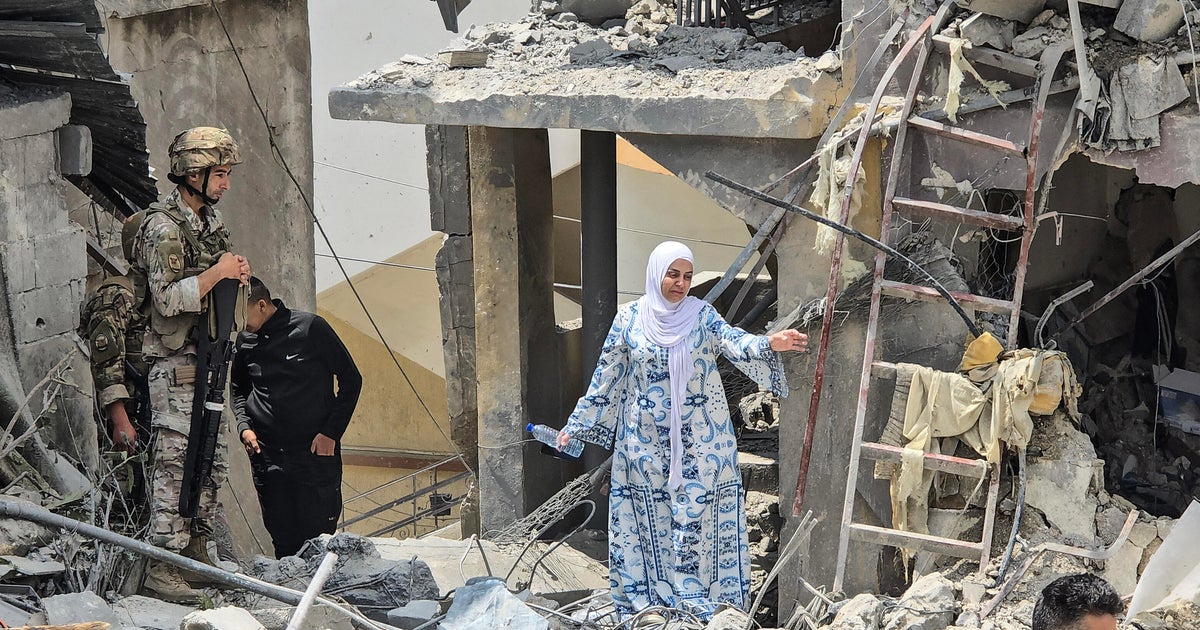
As diplomatic tensions between the United States and Iran seem to ease, Israel has ramped up its military operations in Lebanon, reflecting the complex dynamics of the ongoing conflict in the region. The U.S. government, led by Secretary of State Marco Rubio and President Trump, has reiterated its commitment to preventing Iran from obtaining nuclear weapons, while simultaneously engaging in negotiations that could lead to a de-escalation of hostilities.
Recent statements from U.S. officials indicate a preference for a diplomatic resolution with Iran, emphasizing that negotiations remain a priority. Rubio noted that the U.S. is open to reaching an agreement, although specifics on the ongoing discussions have not been disclosed. Meanwhile, President Trump has suggested that Iran is under pressure to negotiate, stating, “They want very much to make a deal,” while also warning that military options remain on the table if talks fail.
Military Escalation in Lebanon
In the wake of these diplomatic overtures, Israel has issued evacuation orders for the ancient city of Tyre and several camps in the region, signaling a significant escalation in its military operations against Hezbollah. The Israeli government has justified these actions as necessary for national security, particularly as tensions with Iran and its allies remain high.
Israeli officials have expressed concerns about Hezbollah’s military capabilities and its ties to Iran, viewing the group as a direct threat. The evacuation orders reflect the urgency of the situation and the potential for increased conflict in southern Lebanon.
U.S.-Iran Negotiations and Their Implications
The negotiations between the U.S. and Iran have been complicated by conflicting reports regarding the terms being discussed. An Iranian state media outlet claimed to have a draft of a memorandum of understanding that would allow Iran to manage shipping traffic in the Strait of Hormuz, a claim that the White House has categorically denied. Officials have stated that the U.S. will not permit Iran to exert control over this critical waterway, which is vital for global oil shipments.
Despite these tensions, the U.S. administration appears to be moving forward with a two-step negotiation process. This would involve the immediate opening of the Strait of Hormuz in exchange for lifting the U.S. blockade, followed by further discussions on Iran’s nuclear program. The U.S. Central Command has reported that the blockade has already redirected a number of commercial vessels, highlighting the ongoing impact of these geopolitical maneuvers.
Regional Reactions and Consequences
The escalation of military operations by Israel, coupled with the ongoing negotiations between the U.S. and Iran, has raised concerns among regional observers. The potential for a wider conflict in Lebanon could have significant implications for stability in the Middle East, particularly if Hezbollah responds aggressively to Israeli actions. The situation remains fluid, and the international community is closely monitoring developments.
As the U.S. and Iran continue their diplomatic efforts, the actions taken by Israel may complicate the negotiations and influence the broader geopolitical landscape. The stakes are high, as a failure to reach an agreement could lead to increased military confrontations in the region.
What Remains Unclear
While the U.S. has indicated progress in negotiations with Iran, specific details about the terms and the timeline for any potential agreement remain unclear. Additionally, the full extent of Israel’s military objectives in Lebanon and how they may impact the ongoing U.S.-Iran discussions has yet to be determined. The situation is evolving, and further developments are expected in the coming days.
Frequently Asked Questions
What are the recent developments in U.S.-Iran negotiations?
The U.S. and Iran appear to be nearing a deal that would involve lifting the blockade on the Strait of Hormuz in exchange for concessions regarding Iran’s nuclear program.
Why is Israel escalating its military actions in Lebanon?
Israel’s military actions are aimed at countering perceived threats from Hezbollah, which is backed by Iran and has been involved in regional conflicts.
What is the significance of the Strait of Hormuz in these negotiations?
The Strait of Hormuz is a crucial shipping route for global oil supplies, and control over it is a key point of contention in U.S.-Iran relations.
How are regional dynamics affecting the situation?
The actions of Israel and Iran, along with the U.S.’s involvement, create a complex web of regional dynamics that could lead to further conflict or diplomatic breakthroughs.
What remains uncertain about the future of these negotiations?
Specific terms of any potential agreement between the U.S. and Iran, as well as the implications of Israel’s military actions, remain unclear and could influence the outcome of the negotiations.
Source: Source


Leave a Reply