A federal judge has ruled that changes made to national park exhibits under former President Donald Trump must be undone, emphasizing the importance of accurately representing U.S. history. The ruling, issued by U.S. District Judge Angel Kelley in Massachusetts, comes as a response to a lawsuit filed by conservation and historical organizations that challenged the Trump administration’s policies affecting the National Park Service (NPS).
In March 2025, Trump signed an executive order titled “Restoring Truth and Sanity to American History,” which mandated that national parks refrain from displaying elements deemed to “inappropriately disparage Americans past or living.” However, Judge Kelley criticized this order, asserting that it was an attempt to sanitize history and exclude significant contributions and experiences of various communities. The judge stated that the administration’s actions amounted to a “white-out pen” approach to history, which cannot faithfully convey the nation’s story.
Details of the Ruling and Immediate Implications
The preliminary injunction issued by Judge Kelley not only calls for the restoration of previously altered exhibits but also halts any further changes to park displays. The administration is required to submit weekly reports detailing their progress in restoring interpretive materials that were removed or altered since May 20, 2025. This includes exhibits that address critical aspects of American history, such as slavery and climate change.
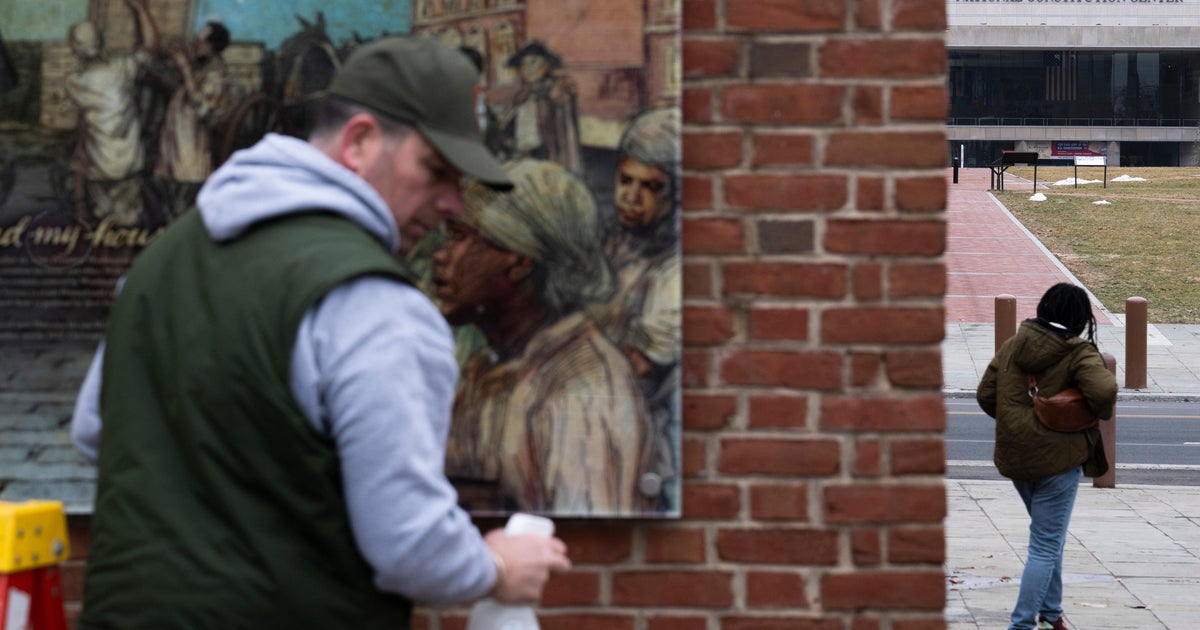
Many of the controversial changes occurred at notable sites, including Philadelphia’s Independence National Historical Park, where exhibits detailing the lives of enslaved individuals who worked at the site were removed. Additionally, a sign at Sunset Crater Volcano National Monument in Arizona, which featured an image of a visitor holding a Pride flag, was taken down, and films addressing labor history were removed from Lowell National Historical Park in Massachusetts.
Responses from Advocacy Groups
Organizations that filed the lawsuit have welcomed the ruling as a significant victory for historical integrity in national parks. Alan Spears, senior director for cultural resources at the National Parks Conservation Association, stated that the ruling protects national parks from efforts to erase history and scientific knowledge. He emphasized that national parks belong to the American people and that censorship contradicts the values these sites represent.
Bill Wade, executive director of the Association of National Park Rangers, expressed that the ruling is particularly beneficial for park employees who strive to provide accurate and unbiased information to visitors. The decision reinforces the commitment to preserving truthful narratives within these historically significant locations.
Background of the Controversial Executive Order
The executive order issued by the Trump administration aimed to reshape the narrative presented in national parks, focusing on a version of history that aligns with a particular ideological perspective. Critics argued that this approach undermined the educational mission of national parks, which are intended to reflect the full spectrum of American history, including its darker chapters.
Interior Secretary Doug Burgum, who was involved in implementing the changes, directed the removal of what he termed “improper partisan ideology” from federal exhibits. This directive raised concerns among historians and conservationists about the potential for historical revisionism in publicly funded spaces.
Next Steps for the National Park Service
In light of the ruling, the National Park Service is now tasked with the responsibility of restoring the removed or altered exhibits. The timeline for these changes is set at 21 days from the issuance of the order, during which the administration must comply with the court’s directives. The ongoing situation highlights the tension between political narratives and the preservation of historical accuracy in public spaces.
As the NPS works to restore these exhibits, it remains to be seen how this ruling will influence future policies regarding historical representation in national parks and other federally managed sites.
Frequently Asked Questions
What changes were made to national park exhibits under Trump?
The Trump administration ordered the removal of exhibits and interpretive materials that did not align with its preferred narrative, including those related to slavery and climate change.
What did the judge’s ruling entail?
The ruling requires the restoration of altered exhibits and halts any further changes, mandating weekly progress reports from the National Park Service.
Why did the lawsuit challenge the executive order?
The lawsuit argued that the executive order was an attempt to rewrite history and censor important aspects of the American narrative, undermining the educational purpose of national parks.
What are the implications of this ruling for national parks?
This ruling reinforces the commitment to accurate historical representation in national parks and protects against censorship of historical narratives.
How will the National Park Service proceed after the ruling?
The National Park Service has 21 days to restore the removed or altered exhibits as mandated by the court’s order.
For more updates from QuickFeedNews, visit our website.
Source: CBS News




Leave a Reply